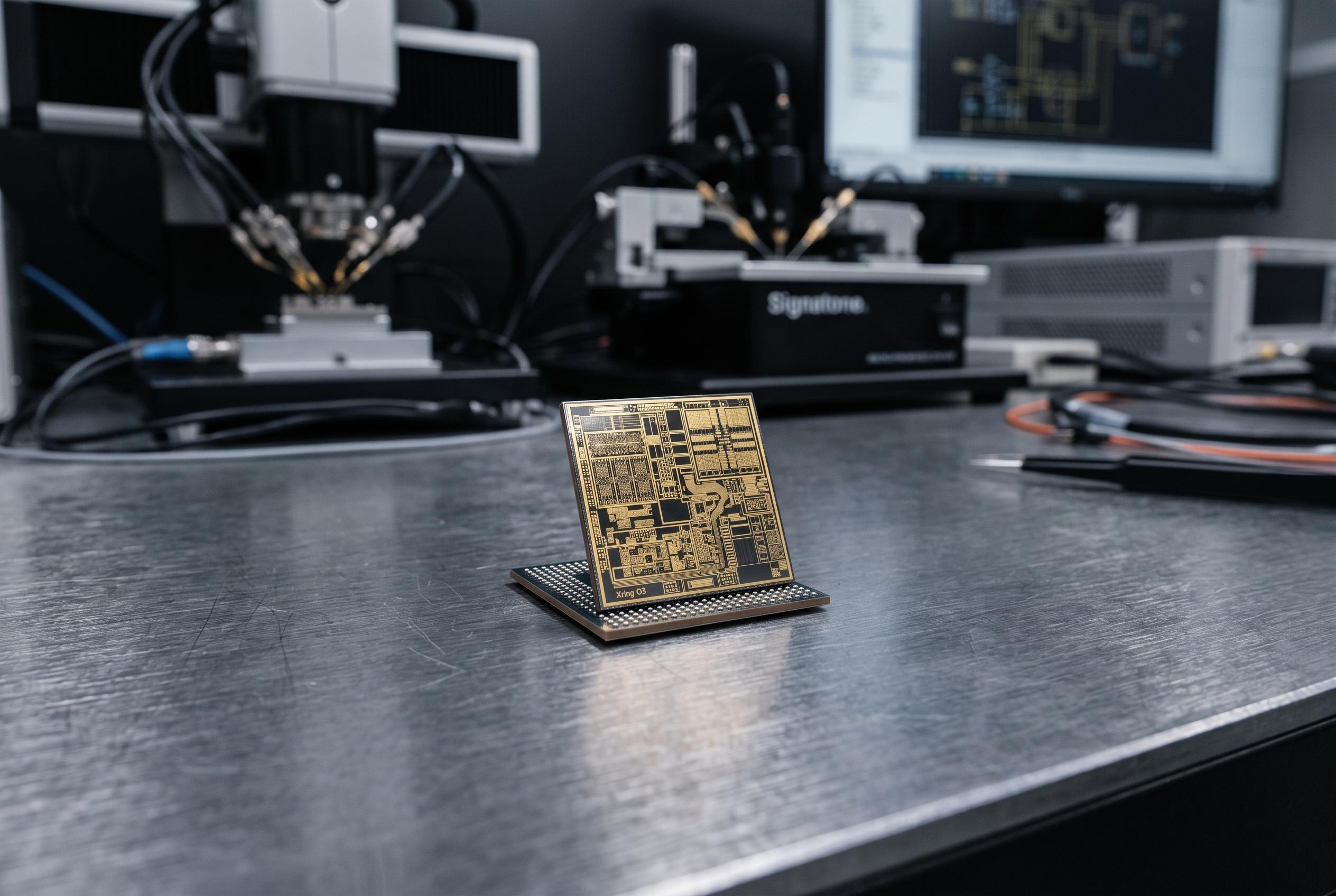

Xiaomi unveils the Xring O3, a cutting-edge 3nm flagship mobile chip boasting unparalleled AI performance, impressive benchmarks, and a move beyond traditional smartphone processors into a broader device ecosystem.
Xiaomi has unveiled the Xring O3, a new flagship mobile chip it says is designed around on-device artificial intelligence. The company describes it as a fully redesigned 3nm system-on-chip, built with 24 billion transistors on a 133mm² die. According to Xiaomi’s launch details carried by AnTuTu, the processor is intended to push both performance and efficiency, while expanding the company’s in-house silicon strategy beyond smartphones into a wider device ecosystem.
The chip uses a 10-core CPU and a 16-core G2-Ultra NX graphics unit, with Xiaomi claiming sizeable gains over the previous generation. AnTuTu said CPU performance is up by 60%, graphics performance by 85%, and power consumption in the GPU is down by 64%. The neural processing unit is said to deliver 200 TOPS of tensor compute and 3.13 TFLOPS of vector performance, a combination Xiaomi says strengthens local AI processing without relying as heavily on the cloud.
Benchmarks have drawn particular attention. Xiaomi said the Xring O3 reached 5,228,014 points in AnTuTu under low-temperature laboratory conditions, which would make it the first mobile SoC to move past the five-million mark. That figure has been repeated by several technology outlets covering the launch, including NokiaMob and Beebom, while The Tech Outlook reported that Xiaomi is presenting the chip as a major step in its self-developed silicon programme. The score is notable, but it should still be treated as a vendor-backed benchmark result rather than an independent market comparison.
Xiaomi also says the chip supports LPDDR6 memory with bandwidth of up to 113.8GB/s. Reports cited by AnTuTu and other outlets say it is slated to appear first in the Xiaomi 18 Fold and Xiaomi Pad 9 Pro Max, although Xiaomi has not yet provided broad commercial availability details in the material reviewed here. The launch suggests the company is trying to compete not only on raw speed, but on the growing importance of AI inference directly on device.
Disclaimer: This content is intended for informational purposes only. Readers are advised to exercise their own judgement, conduct due diligence, or consult a qualified expert before acting on any information provided.