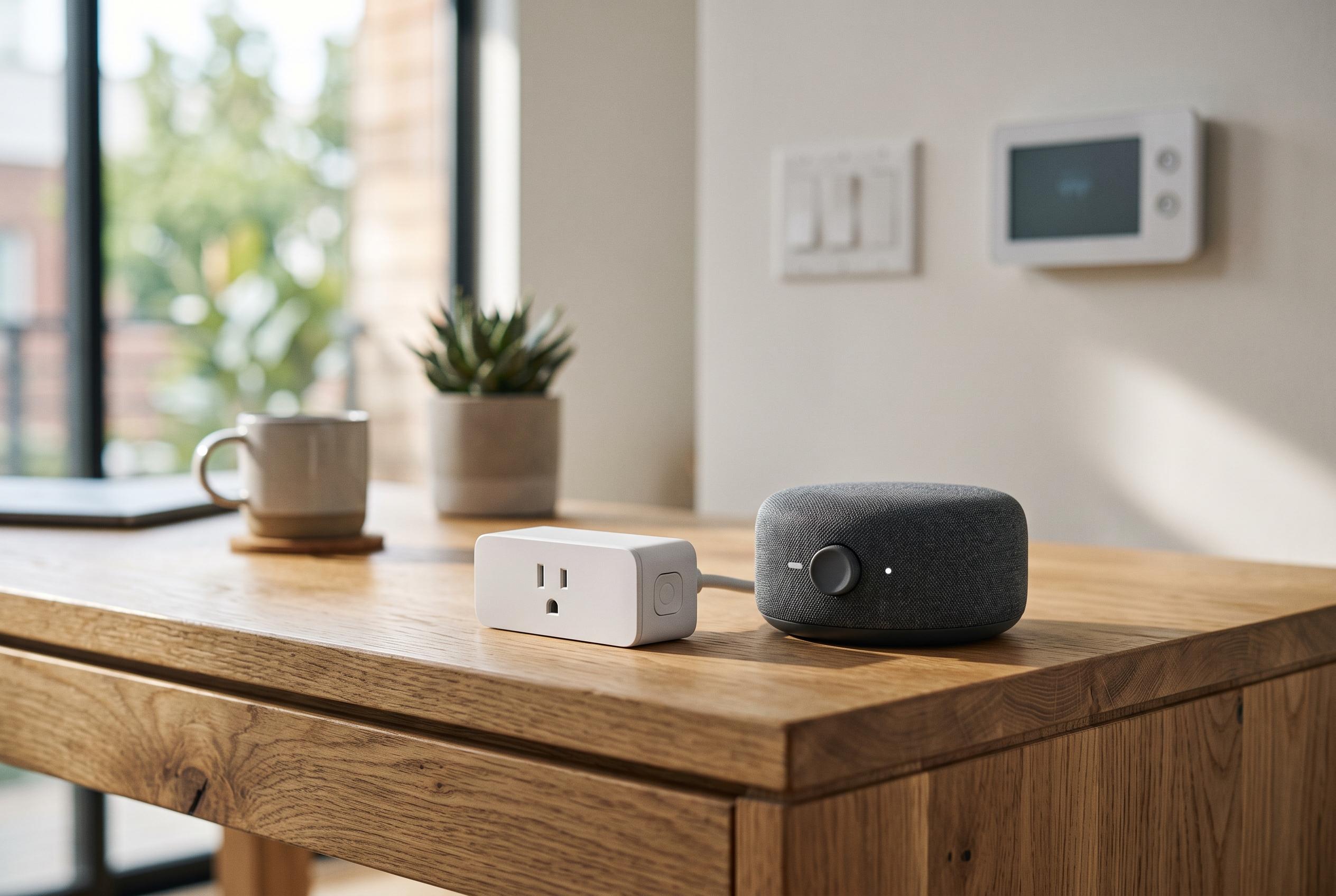

Belkin’s upcoming discontinuation of Wemo cloud services highlights the growing importance of local control in smart-home setups, as reliance on vendor servers risks leaving devices useless during outages or support withdrawals.
Belkin’s decision to switch off Wemo cloud services is another reminder that smart-home hardware can stop being smart long before it wears out. The company says that, from 31 January 2026, the Wemo app and cloud-based features will no longer work for affected products, although devices that were already set up with Apple HomeKit should continue to function through Apple’s Home app. Similar warnings have already emerged elsewhere, with Google ending support for Nest Secure and removing app control, notifications, cloud connectivity and updates.
For users who want a home that still behaves sensibly during an outage, the key issue is not Wi-Fi versus Ethernet, but where a command is processed. A device can sit on a home network and still depend entirely on a vendor’s servers to do anything useful. That creates extra failure points: an internet problem, a service outage or an account issue can disable basic functions even when the hardware itself is intact.
The case for local control is straightforward. In a setup such as Home Assistant running on a local network, automations can talk directly to compatible devices, and the system can continue to operate even if the internet drops. Remote access and firmware updates still need a connection, but they are no longer prerequisites for turning on a light, changing a plug state or running an automation inside the house.
That distinction matters when buying new equipment. Zigbee and Z-Wave devices often work locally when paired directly with a home hub, while Wi-Fi products may also work well if they expose a local API. Matter can help, because local control is part of the standard, but Home Assistant’s documentation warns that some manufacturers still require an account before Matter can be enabled. In practice, the exact product matters more than the badge on the box.
There is also a difference between a standard’s promise and a device’s real-world behaviour. A Home Assistant user described running into this with a WiZ bulb, which first had to connect to the vendor’s cloud, take a firmware update and have Matter switched on through the manufacturer’s app before it could be added locally. Likewise, Philips Hue exposes basic lighting functions over Matter, but its local integration offers more advanced features such as dynamic scenes. That makes the “internet test” a useful rule: if a device cannot be controlled, observed and recovered on the local network, it is still partly owned by the cloud.
Disclaimer: This content is intended for informational purposes only. Readers are advised to exercise their own judgement, conduct due diligence, or consult a qualified expert before acting on any information provided.