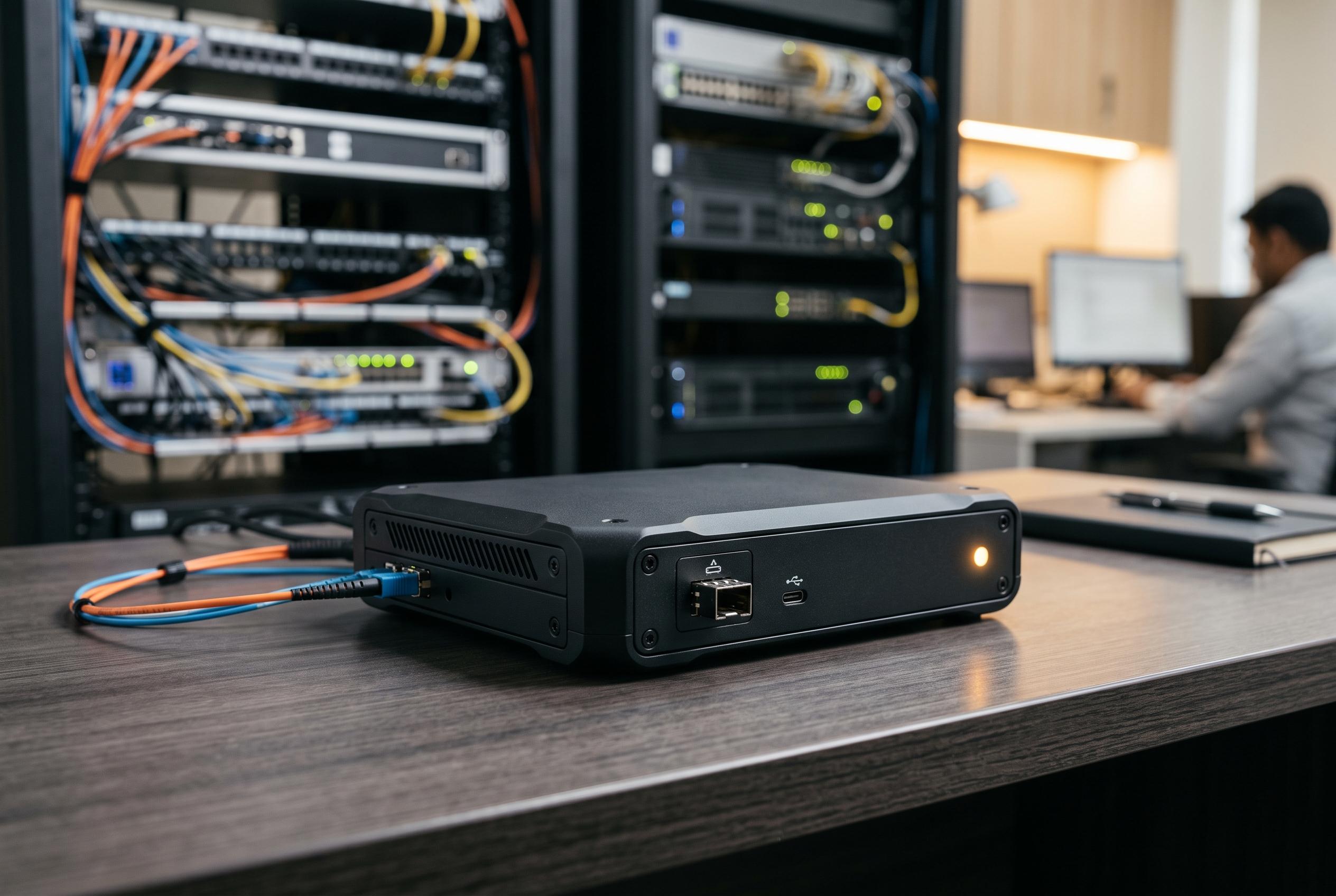

During its 43rd Foundation Day, India’s Centre for Development of Telematics unveiled 14 indigenous quantum-safe products, marking a significant step towards autonomous, next-generation secure communications aligned with national strategic interests.
The Centre for Development of Telematics used its 43rd Foundation Day in New Delhi to unveil 14 indigenous quantum-secure products, signalling a more commercial phase in India’s push towards secure communications and next-generation telecoms. The launch, held at the Dr Ambedkar International Centre, sat within a wider conference on secure, trusted and intelligent communications, with senior government figures framing quantum security as part of the country’s future network architecture.
According to coverage by multiple Indian news outlets, the product set includes quantum key distribution hardware, post-quantum cryptography tools, quantum-safe encryption units and secure routing systems. C-DOT chief executive Rajkumar Upadhyay said the offerings are production-grade rather than laboratory demonstrations, positioning them for use by banks, regulators and telecom operators that need to move away from conventional public-key systems as quantum computing advances.
Union Communications Minister Jyotiraditya M. Scindia used the event to press C-DOT to move beyond research and towards market-ready products that can compete internationally. He linked the organisation’s work on quantum technology, artificial intelligence and cybersecurity to India’s Bharat 6G Vision, under which the country aims to be a serious force in sixth-generation networks by 2030. Reports also said he highlighted C-DOT’s indigenous 4G core deployment across 100,000 towers as evidence that India can build large-scale telecom infrastructure at home.
The announcement also underlined the strategic logic behind indigenous quantum security. The government wants domestic systems that can protect defence, satellite and critical infrastructure networks without relying on foreign suppliers. C-DOT has already generated more than $1 million in early revenue from its quantum technology stack, according to the report, while guidelines developed with the Telecommunication Engineering Centre have been circulated to bodies including the Reserve Bank of India, Sebi and the Telecom Regulatory Authority of India to support migration planning.
Disclaimer: This content is intended for informational purposes only. Readers are advised to exercise their own judgement, conduct due diligence, or consult a qualified expert before acting on any information provided.