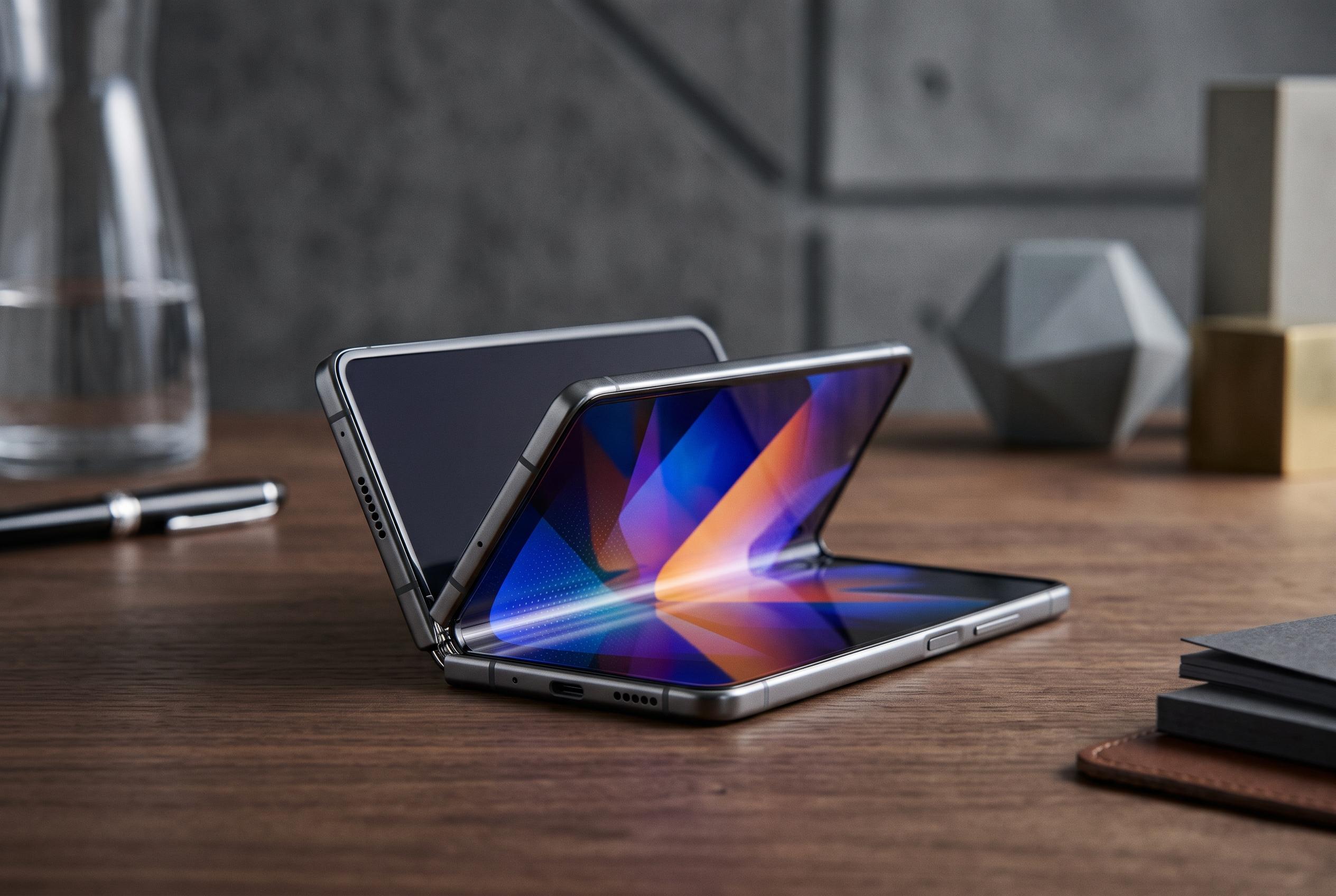

Apple prepares for a potentially disruptive September event, with rumours of a foldable iPhone and significant upgrades to the Pro line, signalling a shift in its flagship iteration cycle and innovative design features.
Apple’s September event is shaping up to be more ambitious than a routine iPhone refresh, with the Pro models still expected to lead the line-up but a foldable handset now emerging as the most closely watched possibility. MacRumours said the iPhone 18 Pro and iPhone 18 Pro Max are likely to keep broadly the same external design as the current Pro generation, while shifting the emphasis to internal hardware, including Apple’s A20 Pro chip, which is expected to use TSMC’s 2-nanometre process. That could bring better performance and improved power efficiency, and the larger Pro Max may also gain a bigger battery if Apple opts for a slightly thicker chassis.
Camera changes may be a key reason to choose the larger model. Tom’s Guide has suggested that the Pro Max could receive features such as a variable-aperture main camera and stronger optical zoom, making it more attractive to users who prioritise photography. MacRumours has also reported that Apple may slim the Dynamic Island by moving some Face ID components under the display, although that remains a rumour rather than a confirmed product detail.
By contrast, the standard iPhone 18 and iPhone Air may not arrive at the same event at all. Several reports have pointed to a reshuffle of Apple’s launch calendar, with those models pushed back to spring 2027 alongside the iPhone 18e. If that happens, September could become a more clearly split launch cycle, with the premium devices arriving first and the lower-priced models following months later.
The most significant new product remains the long-rumoured foldable iPhone. MacRumours and What Hi-Fi both describe a book-style device with a 5.5-inch external display and a 7.8-inch internal panel, closer in concept to a small tablet when opened. The same reports suggest Apple is aiming for a minimal crease, a durable hinge and Touch ID rather than Face ID, which would mark a notable design departure from current iPhones. Pricing is still uncertain, but estimates cluster around $2,000 to $2,500, which would place it well above Apple’s existing flagship phones.
Apple Watch updates may also appear, though the changes are expected to be modest. The Apple Watch Series 12 and Apple Watch Ultra 4 are said to retain familiar designs while gaining small processor improvements and possible refinements to health and fitness tracking. Beyond the watches, there are also rumours of a faster Apple TV 4K with support for Apple Intelligence and a new remote, plus a screen-equipped HomePod-style device sometimes described as the Apple HomePad. A refreshed HomePod and HomePod mini are also being discussed, but those products remain unconfirmed and may not arrive until later in the year.
Disclaimer: This content is intended for informational purposes only. Readers are advised to exercise their own judgement, conduct due diligence, or consult a qualified expert before acting on any information provided.