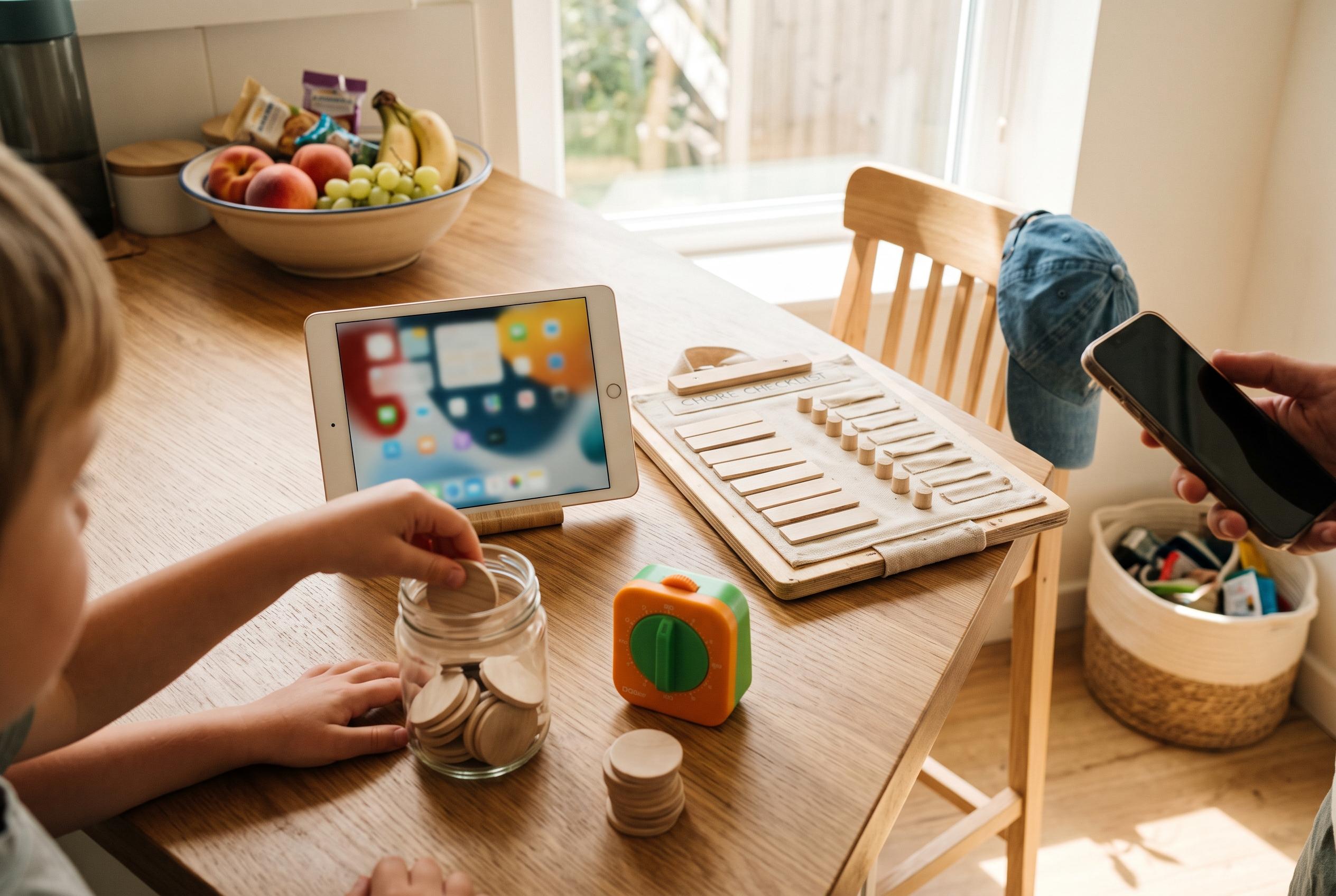

A innovative approach links household chores with device access, giving children a clear pathway to earn additional screen time during the holidays while maintaining parental control.
Using chores to buy back screen time is a neat summer compromise
For many parents, school holidays turn screen-time limits into a daily argument. One How-To Geek writer described that problem in practical terms: once children are home all day, an ordinary one-hour limit can be spent before breakfast is over, leaving the rest of the day to requests for “just a bit more”. His answer was to connect extra device time to a chore system already running in Home Assistant.
The household already used a gamified chore tracker in which children completed tasks, earned stars and exchanged them for rewards such as sweets or pocket money. The parent-facing dashboard allowed completed chores to be approved before the points were awarded, which kept the system simple and, crucially, fair. To address summer screen-time pressure, the same framework was extended so that additional chores could be traded for extra minutes on devices.
The setup relied on home automation rather than trust alone. The family used Pi-hole to block DNS requests from the children’s devices, with access controlled from Home Assistant. Nintendo Switch limits were handled through parental controls, while the television could be cut off with a smart plug. Once the children cashed in their stars, their devices were unlocked for a set period and then blocked again automatically when the minutes ran out.
That approach reflects a wider trend in family software. ScreenRewards, for example, is built around the same basic idea: children earn minutes by completing chores, parents approve the work, and the balance updates immediately. The app also includes a daily screen-time ceiling, a pause-all-devices option and a claim that family data stays within the household. Similar products such as Point Pals, TidyDone, ChoreTrack, Privilege Points and Kikaroo all use rewards, point systems or prize shelves to make routine tasks feel more immediate and measurable.
The How-To Geek writer said the result was a maximum of 45 extra minutes a day, earned only through additional work. The larger gain, however, was not just a quieter house. The arrangement removed repeated negotiations over devices and gave the children a clear route to more time on screens, while still keeping the adults in control of the rules.
Disclaimer: This content is intended for informational purposes only. Readers are advised to exercise their own judgement, conduct due diligence, or consult a qualified expert before acting on any information provided.