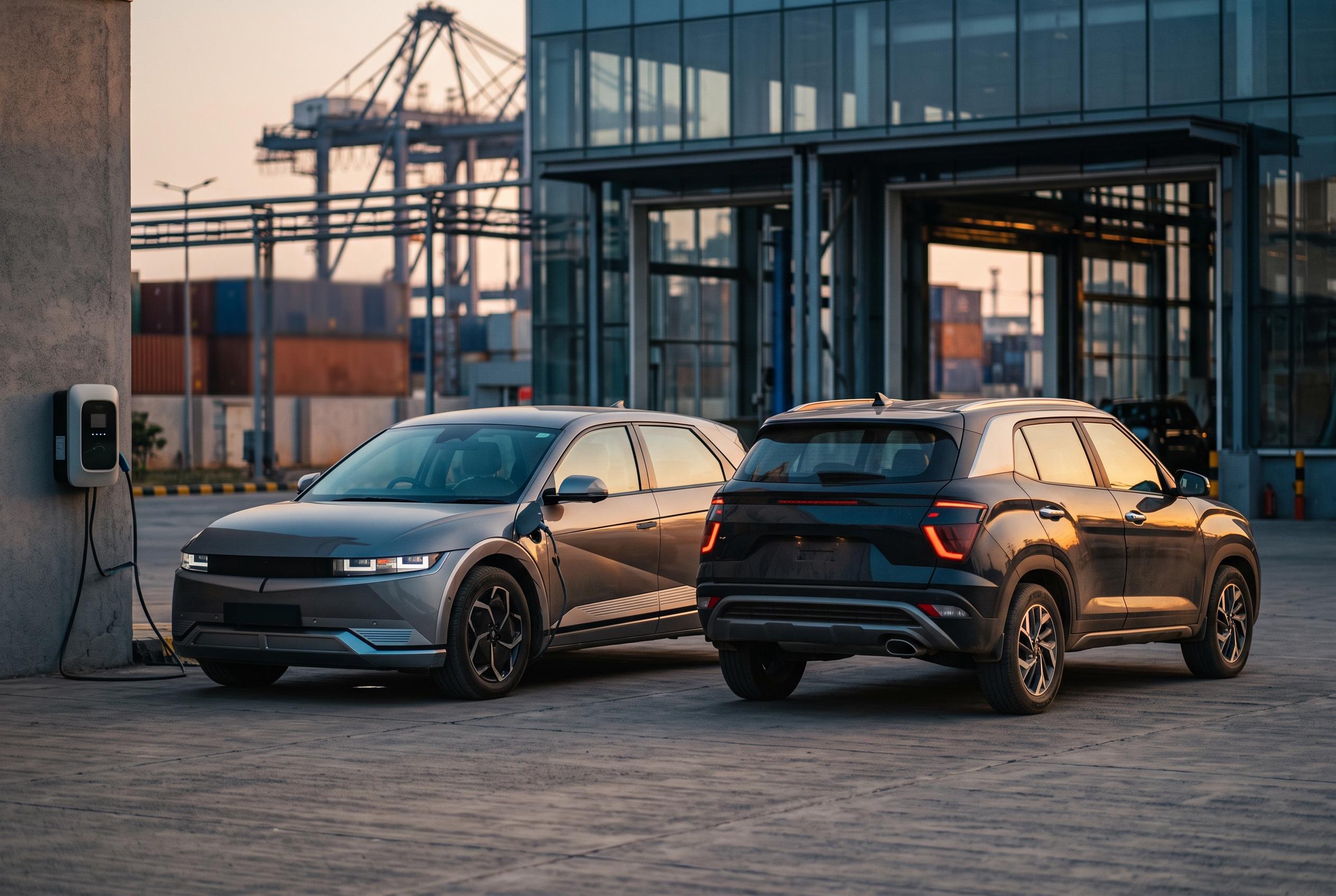

Hyundai has unveiled a comprehensive growth strategy for India, promising 26 new or updated models by 2030, with a focus on electric and petrol SUVs, local manufacturing, and increased exports.
Hyundai Motor has outlined one of its biggest India plans yet, saying at its 2026 CEO Investor Day that it will launch or refresh 26 models in the country by 2030. The centrepiece of the plan is an all-new A-segment electric SUV for India, alongside a new petrol-powered midsize SUV, as the company seeks a broader foothold across both battery-electric and conventional segments. Reuters-style reporting on Hyundai’s announcement and the company’s own newsroom materials show that India remains central to its growth strategy.
The first of the new products is due in the fourth quarter of 2026, when Hyundai plans to unveil the compact electric SUV. The company says the vehicle is being developed and localised for Indian buyers, and spy shots suggest testing is already under way. Hyundai has confirmed that the model will get a next-generation infotainment system and Level 2 advanced driver assistance features, although battery size, certified range and final production details have not yet been disclosed. Positioned below the Creta Electric, it is intended to widen Hyundai’s reach in a price-sensitive EV market.
Hyundai has also confirmed a new internal-combustion midsize SUV for India. Industry reports indicate it may be based on the global Bayon, although the domestic version is expected to differ in design, dimensions and equipment to suit local conditions. Multiple powertrains are likely, including petrol and factory-fitted CNG, which would place Hyundai in direct competition with rivals that are expanding alternative-fuel offerings. The model is part of a wider product push that, according to Livemint and Hyundai’s own presentation, also includes attention to hybrids, body-on-frame vehicles and light commercial segments where the brand is still underrepresented.
The company is backing the product offensive with a substantial manufacturing and localisation push. Hyundai says it will add 320,000 units of annual capacity in India by 2030, lifting its local manufacturing base well above its current level of about 1.1 million vehicles a year. It is also targeting 90% local content in India-made vehicles, supported by more than 1,400 domestic suppliers and over 900 local engineers. Around 30% of Indian output is expected to be exported to Asia, Africa, the Middle East and South America, reinforcing India’s role as both a sales market and an export hub. Hyundai has also reiterated its electric three-wheeler partnership with TVS Motor and said Genesis is scheduled to enter India in 2027.
Disclaimer: This content is intended for informational purposes only. Readers are advised to exercise their own judgement, conduct due diligence, or consult a qualified expert before acting on any information provided.