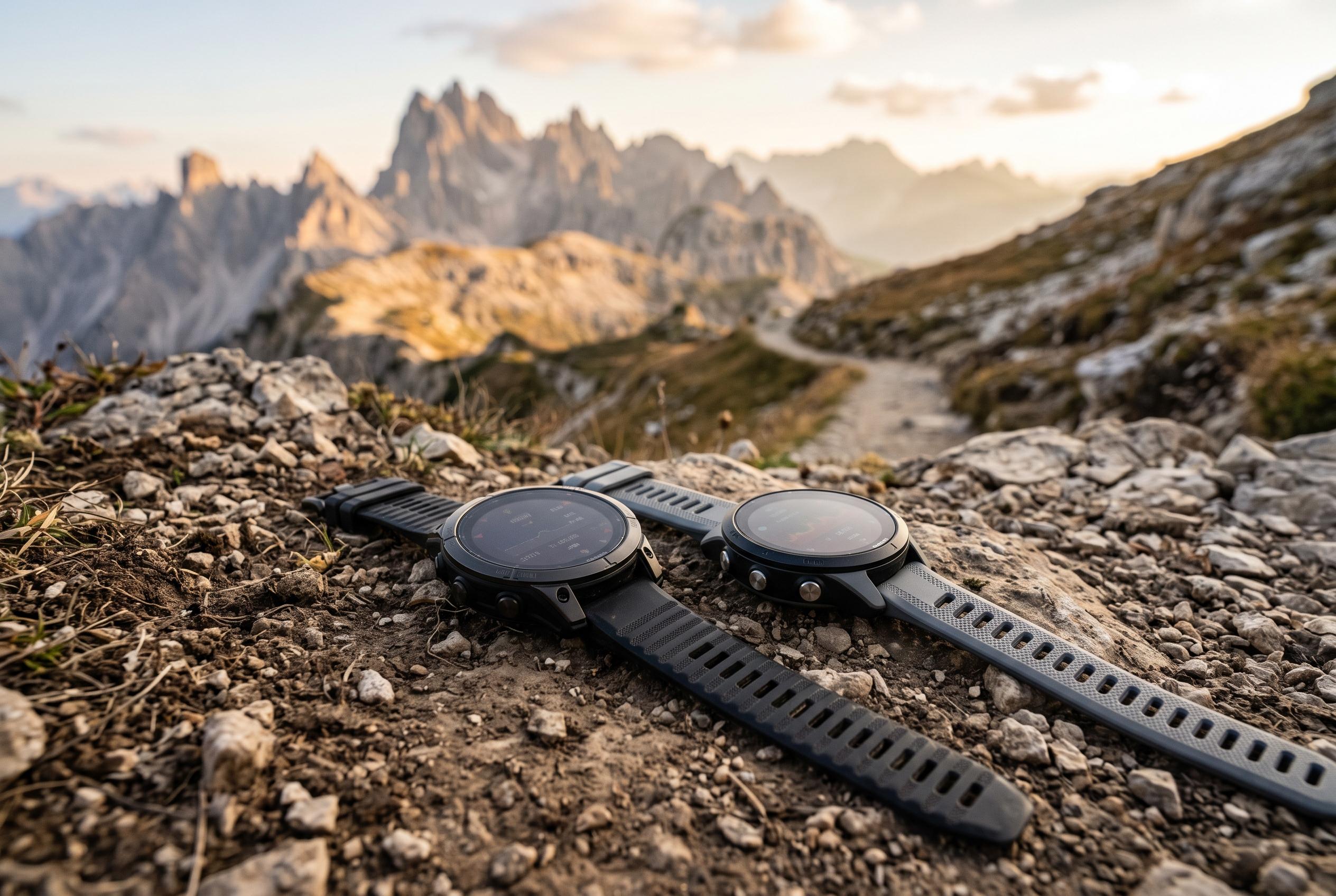

Garmin’s new flagship models, the Fenix 8 and Forerunner 970, showcase how closely these two smartwatch ranges now overlap, offering advanced features tailored to both outdoor adventurers and endurance athletes, though distinct priorities remain at the core of their designs.
Garmin’s two main performance watch families overlap more than many buyers expect, but they are built for different priorities. The Forerunner line is aimed squarely at runners, triathletes and endurance athletes, with a lighter feel and a stronger emphasis on training tools. The Fenix range takes many of the same core functions and packages them in a tougher case with broader outdoor credentials, according to StrapsCo and Tom’s Guide.
That distinction matters most when the watch will be worn for long sessions and daily training. Reviewers at Smartwatch Armbänder note that Forerunner models are typically easier on the wrist because of their lighter construction, which can be a practical advantage for races, multi-hour runs and overnight wear. The Fenix, by contrast, uses more robust materials such as metal and titanium, which improves durability and gives it a more substantial feel, but also adds weight.
The latest premium models show how close the two ranges have become. StrapsCo says the Forerunner 970 and Fenix 8 share many of the same core capabilities, including mapping, multi-band GPS, training readiness, music and an LED torch. The difference lies in the surrounding hardware: the Forerunner 970 is tuned for running and triathlon use, while the Fenix 8 adds a 10 ATM water rating, dive functions and a wider spread of case and display options. Tom’s Guide similarly describes the Fenix 8 Pro as the more specialist outdoor model, thanks to LTE and satellite connectivity, while the standard Fenix 8 is positioned as the more affordable and lighter choice.
For most runners, the consensus across the comparison pieces is clear. The Forerunner is the better starting point if your main activities are running, cycling and triathlon. The Fenix makes more sense once hiking, skiing, mountaineering, diving or off-grid navigation become regular parts of training or travel. GarminHub’s comparison also points to the Fenix’s broader outdoor toolkit, including maps, navigation sensors and activity profiles for mountain sports and paddling.
Price and practicality also play a role. StrapsCo notes that buyers do not need to start with Garmin’s most expensive models, as previous-generation watches such as the Forerunner 965 can still offer strong value. The same logic applies to the broader range: Tom’s Guide and other reviewers suggest that Forerunner remains the best fit for serious endurance athletes, Venu is better suited to users who want a more lifestyle-led design, and Fenix is the most capable option for demanding outdoor use.
In short, the decision comes down to use case rather than raw feature count. If the watch is mainly for structured running and endurance training, the Forerunner is usually the better match. If it needs to survive harder environments and support a wider mix of sports, the Fenix is the more versatile instrument.
Disclaimer: This content is intended for informational purposes only. Readers are advised to exercise their own judgement, conduct due diligence, or consult a qualified expert before acting on any information provided.