
India is set to invest ₹13,000 crore in a new incentive scheme targeting key battery materials, aiming to reduce dependence on Chinese imports and establish a self-reliant local industry amid delays in current cell production capacity.
India is preparing a new incentive package worth as much as ₹13,000 crore to encourage domestic production of advanced battery cell components, according to Business Standard. The move is intended to narrow the cost advantage enjoyed by Chinese suppliers and to reduce a dependence that policymakers view as both an industrial and strategic weakness.
The proposed support would target five key inputs used in advanced cells: anode active materials, cathode active materials, electrolytes, separator film and copper foil. According to the report, many Indian battery manufacturers still buy these parts from China, leaving local cell production exposed to supply-chain disruptions and imported price pressure.
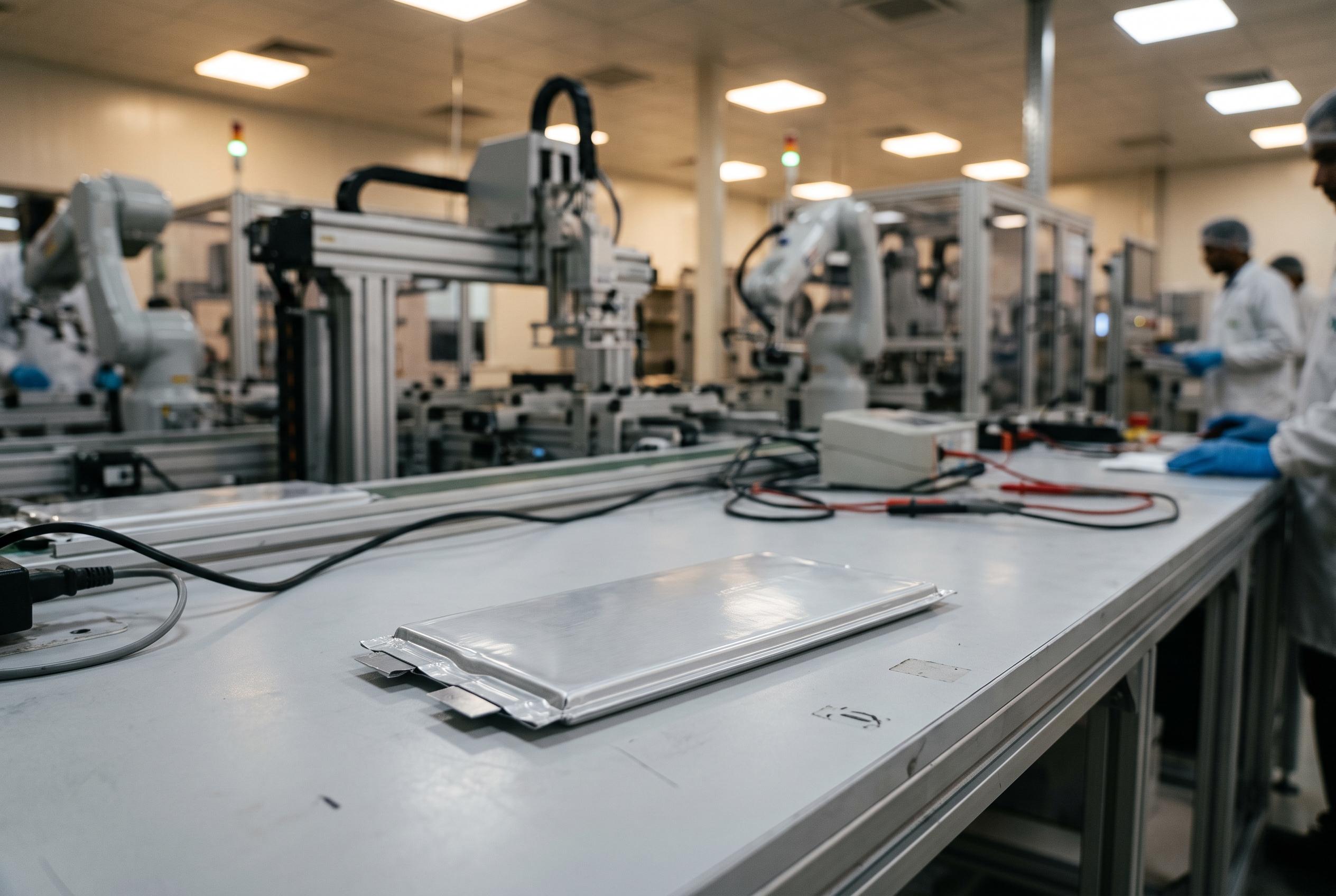
The new plan would sit alongside India’s existing advanced chemistry cell programme, which has a budgetary outlay of ₹18,100 crore and aims to build 50GWh of manufacturing capacity. Government sources cited by Livemint said only 40GWh had been awarded by March, while the Ministry of Heavy Industries has previously acknowledged delays linked to technology constraints, a shortage of skilled labour, imported equipment and the lack of upstream components.
That backdrop helps explain why the government is now shifting attention from cell assembly to the materials that feed it. The incentives are expected to go to the Expenditure Finance Committee after inter-ministerial discussions, Business Standard reported. The Ministry of Heavy Industries did not immediately respond to a request for comment.
The wider battery push has already drawn bids from major industrial groups and clean-energy companies, including Reliance, Ola Electric, Amara Raja, Exide and Tata-linked ventures. Even so, the sector still faces a gap between policy ambition and industrial readiness. India’s latest proposal is therefore aimed not just at expanding capacity, but at building a fuller battery value chain inside the country.
Disclaimer: This content is intended for informational purposes only. Readers are advised to exercise their own judgement, conduct due diligence, or consult a qualified expert before acting on any information provided.