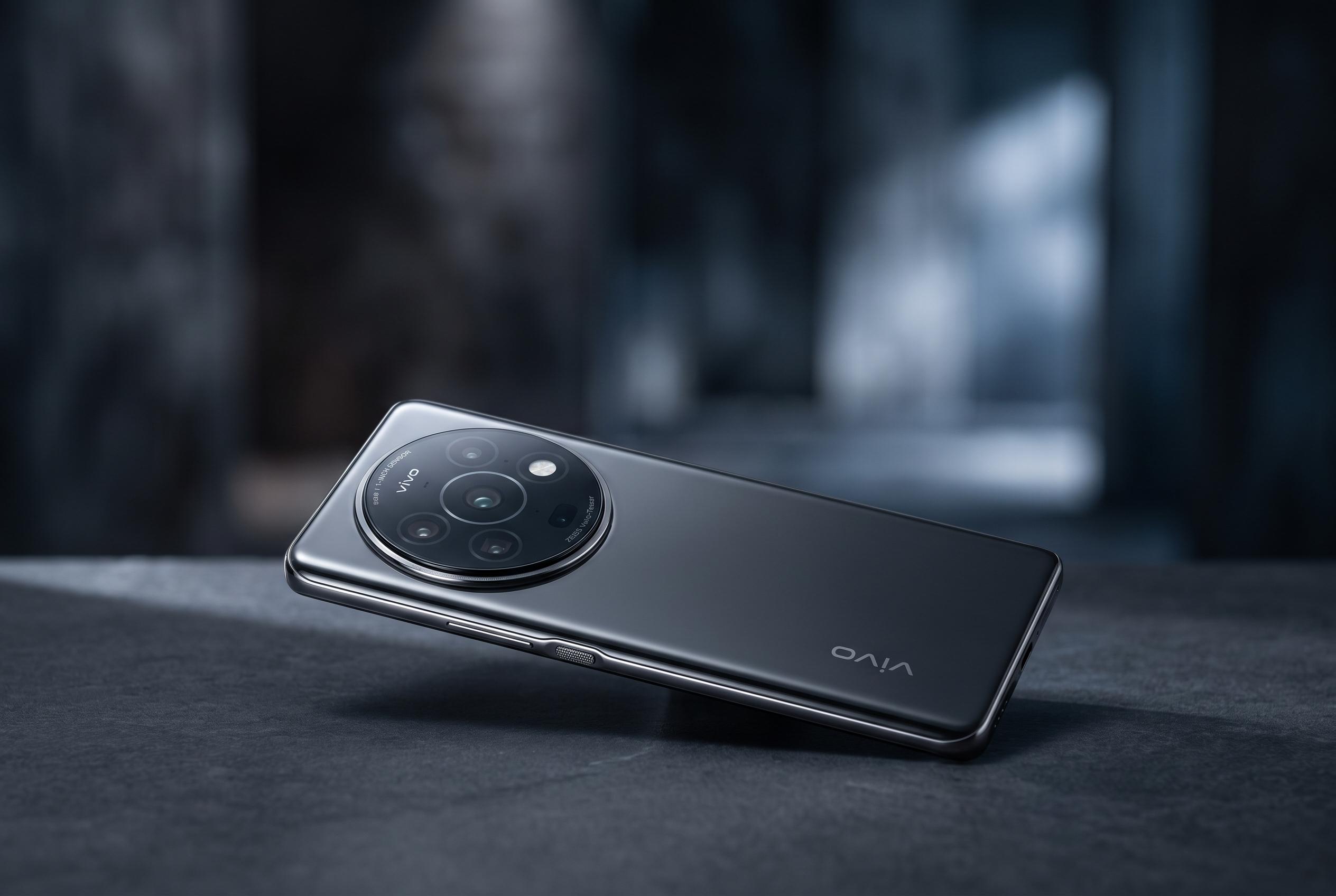

The Vivo Jovi X300 Ultra, a premium smartphone prioritising camera capabilities, faces performance limitations in gaming despite its high-end hardware, highlighting the importance of real-world testing beyond specifications.
The Jovi X300 Ultra arrives as one of the most expensive phones from Vivo’s Chinese stable, and it is positioned less as a gaming machine than as a camera-first flagship. Office of the Net’s testing also frames it as a serious contender on paper: the handset pairs Qualcomm’s Snapdragon 8 Elite Gen 5 with 16GB of RAM, a 144Hz LTPO AMOLED display and a large battery, while Vivo’s wider marketing pitch leans heavily on its imaging hardware. Qualcomm says the chip brings notable gains in CPU, graphics and AI performance, but that does not automatically translate into the same results in every device.
In practical gaming tests, the Jovi often behaved like a phone capped at 60 frames per second, even in titles where the Realme GT 8 Pro pushed much higher. Office de Net’s results showed the Jovi trailing in Asphalt Legends Unite and Delta Force, while also failing to match the Realme in Wild Rift and Minecraft’s vibrance mode. In several games, the Jovi’s frame-rate stability remained high, which suggests the issue was not outright instability but a clear limit on performance output.
That makes the contrast with the broader Snapdragon 8 Elite Gen 5 narrative more striking. Qualcomm has described the platform as its fastest mobile chip yet for gaming, with a sizeable uplift in graphics workloads and a 25% single-core CPU gain over the previous generation. Independent benchmark reporting has also shown strong synthetic scores for the chip in other devices. Yet the Jovi’s results underline a familiar point for buyers: silicon alone does not define real-world performance, and thermal tuning, software settings and frame-rate caps can matter just as much.
The handset does appear to be tuned with photography and video in mind. Digital Camera World reports that the Vivo X300 Ultra carries a 200MP main camera, an 85mm telephoto lens and a 14mm ultrawide camera, all backed by large sensors and optical stabilisation. It also supports 8K recording, 4K at 120fps, 10-bit Log and Dolby Vision, which places it squarely in the premium creator category. That emphasis helps explain why the phone may be more compelling for stills and video than for sustained gaming sessions.
Office de Net’s battery and heat checks reinforce that reading. The Jovi’s 6,600mAh cell held up well in testing, and its temperatures were lower than the Realme’s in the same scenario, but that restraint appears to come with a trade-off in gaming output. Notebookcheck’s review of the Realme GT 8 Pro also noted throttling under load despite its high-end specification, which shows that even top-tier Snapdragon phones can behave very differently once sustained heat enters the equation. For buyers, the lesson is simple: the Jovi X300 Ultra looks like a premium camera phone that can game acceptably, not a new benchmark leader for Android performance.
Disclaimer: This content is intended for informational purposes only. Readers are advised to exercise their own judgement, conduct due diligence, or consult a qualified expert before acting on any information provided.