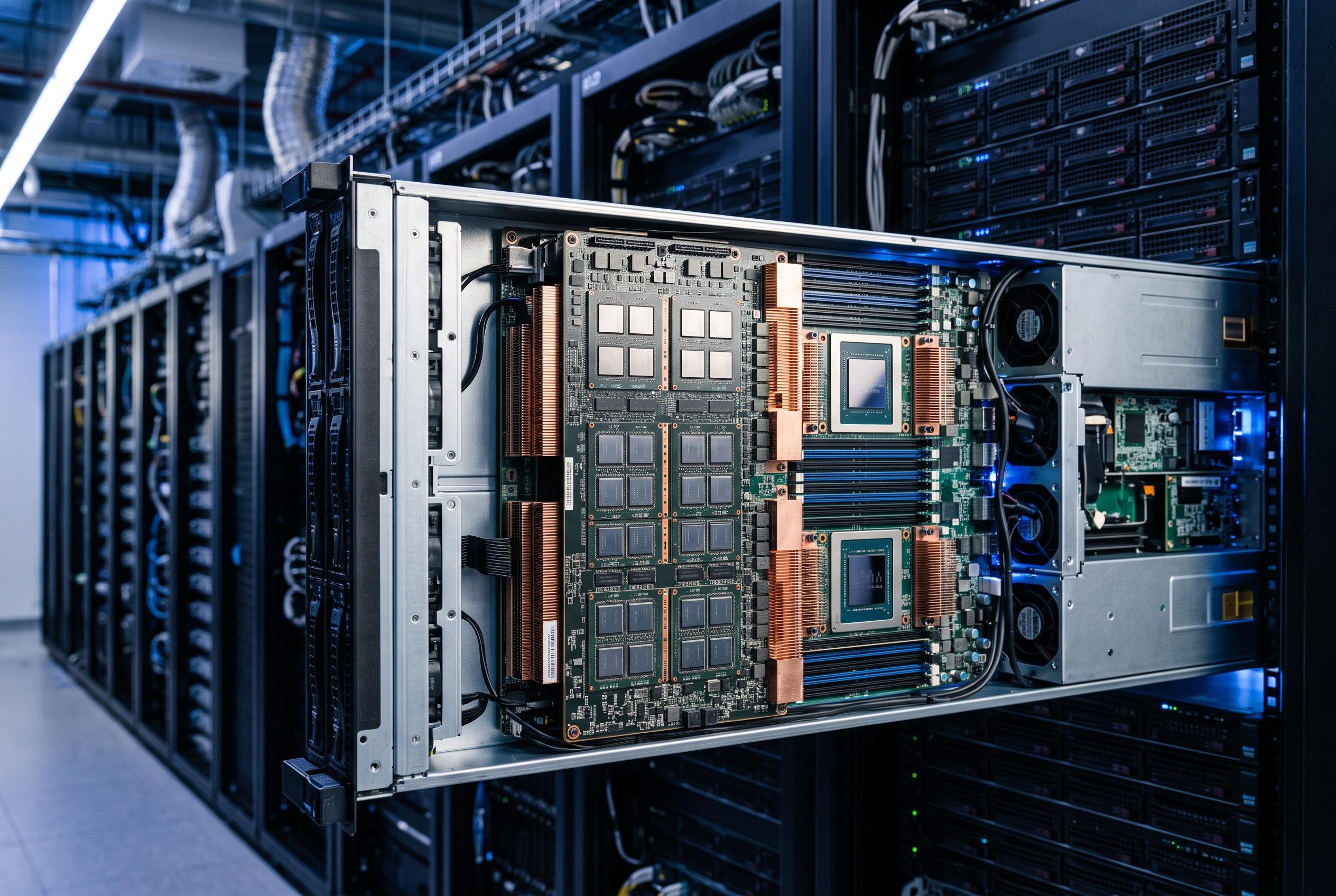

Micron Technology faces an unprecedented supply shortage of high-bandwidth memory (HBM), as demand from AI and cloud operators outpaces production, potentially reshaping the AI hardware market landscape.
Micron Technology is finding itself in a rare position for a memory-chip maker: it cannot supply everything customers want, and that shortage is now central to the investment case. Chief executive Sanjay Mehrotra recently said the company can cover only about 60% of current high-bandwidth memory orders, leaving the rest unfilled. In practice, that means Micron’s HBM output is effectively sold out for 2026, while demand tied to AI infrastructure continues to run ahead of capacity.
The market has already noticed. Micron’s shares have pulled back sharply from their early-2026 peak, but the broader story is not one of collapsing demand. Rather, it is one of a business constrained by production. Unlike commodity DRAM and NAND, where pricing usually follows the familiar semiconductor cycle, HBM has remained tighter because the buyers are large cloud and AI operators building out data centres on multi-year schedules. Analysts have also pointed to the strategic importance of Micron being one of only three companies able to manufacture HBM at commercial scale, alongside Samsung and SK Hynix.
That supply pressure is now visible across the wider AI ecosystem. According to reporting from Tom’s Hardware, Nvidia has expanded its long-term supply commitments sharply as it races to secure memory for future accelerators, while also warning large customers that AI server prices may rise because of memory costs. The same reporting says Nvidia’s latest systems rely on larger HBM allocations, reinforcing the idea that memory is becoming a major cost and capacity bottleneck in AI hardware.
Micron’s latest HBM generation adds to the argument that the constraint is structural rather than temporary. The company has begun shipping HBM4 in commercial quantities, doubling bandwidth versus HBM3E, but AI chips are also advancing quickly, which limits how long any single generation can ease the gap. Tom’s Hardware also reported that OpenAI’s new Jalapeño chip uses HBM4 stacks and is designed around high efficiency rather than training workloads, illustrating how deeply memory performance now shapes AI silicon design.
For investors, the next key marker is Micron’s upcoming earnings report at the end of September. Street expectations remain well above the current share price, reflecting faith that HBM demand will stay firm and that supply can scale. But the real question is whether Micron can lift that 60% fulfilment rate meaningfully. If it can, the company’s shortage becomes a competitive advantage; if it cannot, the AI boom may continue to reward its customers faster than its own production line.
Disclaimer: This content is intended for informational purposes only. Readers are advised to exercise their own judgement, conduct due diligence, or consult a qualified expert before acting on any information provided.