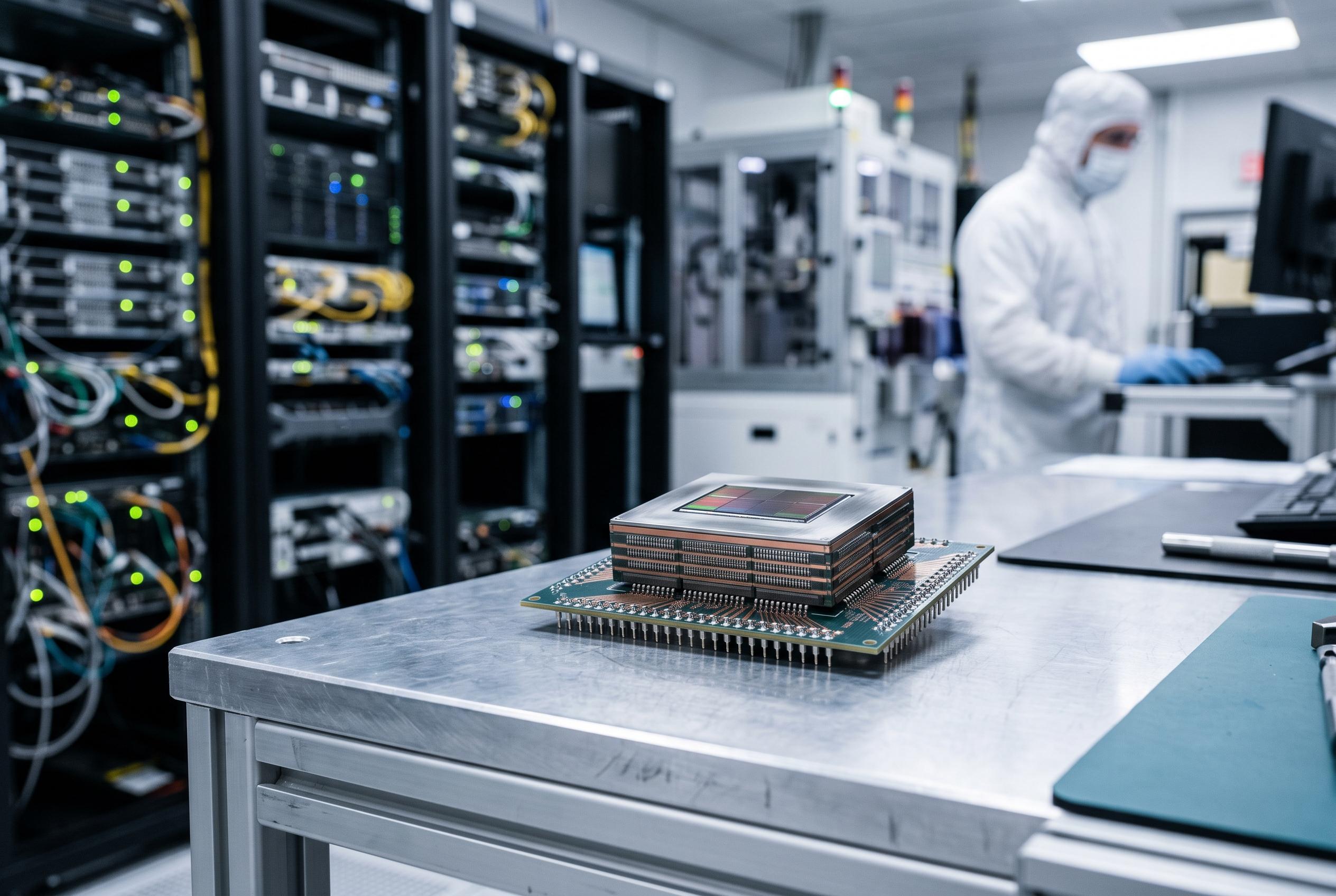

South Korean memory chip giant SK hynix has begun constructing a $4bn high-bandwidth memory plant in Indiana, aiming to boost US AI chip supply and foster local innovation through collaborations with Purdue University and the wider industry ecosystem.
SK hynix has begun construction of its first high-bandwidth memory production site in the United States, in West Lafayette, Indiana, framing the project as a key step in building a local supply chain for artificial intelligence chips. The South Korean company said the facility will combine advanced packaging, testing and research work, with the first output expected in the second half of 2029. It will process wafers made elsewhere and prepare them for delivery to US customers, rather than moving front-end chip fabrication to America. According to company material and sector reports, the site is also intended to support joint development work with Purdue University and other partners.
The investment is expected to exceed $4bn, or about Won5.5tn, making it one of SK hynix’s most significant overseas manufacturing commitments. Reports from Tom’s Hardware, Gate and other industry outlets said the plant should include a cleanroom by October 2028, with volume production of next-generation HBM, including HBM4E, planned for the second half of 2029. The project is also expected to create about 1,000 direct jobs, with wider economic effects during construction and operation.
SK hynix has presented the Indiana campus as more than a single packaging line. Company and industry reports say it will include an advanced packaging R&D testbed, designed to bring together customers, universities and suppliers to speed up work on next-generation memory integration. The firm is also said to be in discussions with more than 100 materials, equipment and parts suppliers as it tries to build a wider US-based ecosystem around the plant.
At the same time, the company is moving ahead at home. According to the lead report, SK hynix plans to start construction next year on new fabs in Yongin and Cheongju, while also leaving the door open to further overseas investment. That suggests the Indiana project is part of a broader capacity plan, not a standalone response to US demand. The timing also reflects a slower ramp than in an earlier April 2024 plan, which had pointed to mass production in 2028; current reporting now places the start in late 2029.
Disclaimer: This content is intended for informational purposes only. Readers are advised to exercise their own judgement, conduct due diligence, or consult a qualified expert before acting on any information provided.