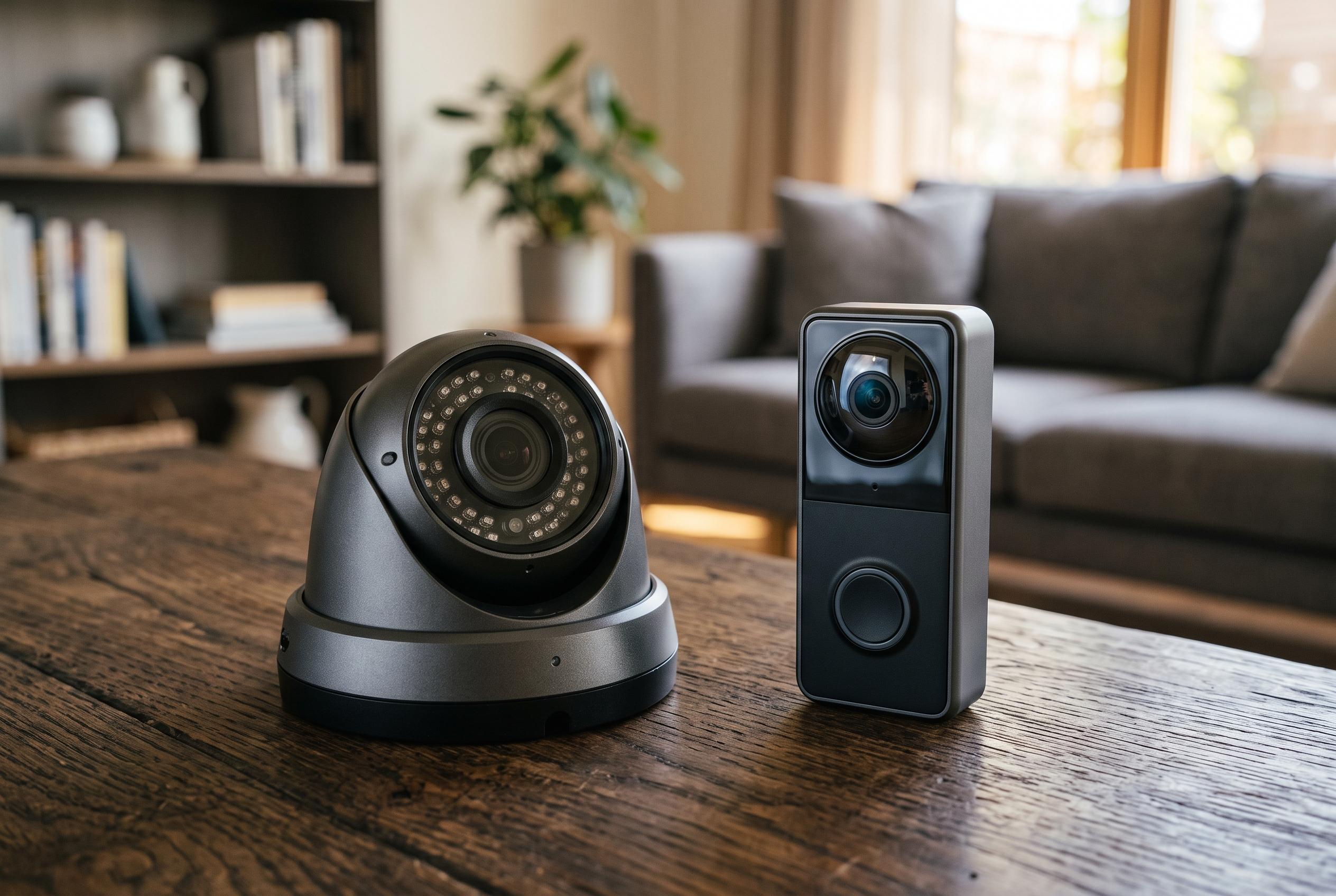

Modern home CCTV systems go beyond theft prevention, offering tailored solutions with high-resolution imaging, night vision, smart integrations, and strategic placement to enhance security and convenience while navigating legal responsibilities.
Choosing a home CCTV system is no longer just about deterring theft. For many households, it is now a practical way to monitor entrances, garages, driveways, deliveries and other exposed areas, while also providing a record of events if something goes wrong. Guides from Home Watch Group and CCTV Security Pros emphasise that the best results come from matching the camera type to the site, rather than buying a generic package and hoping it covers every need.
The main camera categories remain straightforward. Dome cameras are often used indoors and in protected outdoor positions because their shape is discreet and harder to tamper with. Bullet cameras are more visible and are commonly used to cover entrances or boundary lines. PTZ cameras, which can pan, tilt and zoom, suit wider areas that need flexible control. CCTV Services and CNC System both note that these formats serve different purposes, while fisheye, infrared, IP and analogue models widen the choice further depending on the environment and the level of detail required.
Resolution matters because a camera is only useful if it can capture identifiable footage. Higher-resolution systems can improve image clarity, particularly when reviewing faces, number plates or package deliveries. Night vision is equally important, since many incidents occur after dark. CCTV Services highlights infrared capability as a key feature for low-light recording, while Magicbricks and other home-security guides point out that homeowners should also consider connectivity, storage and whether a system is wired or wireless before deciding.
Installation has a direct effect on performance. The most effective placement is usually at entrances, driveways and other vulnerable points, with attention paid to blind spots and obstructions. Wired systems are generally more stable, but wireless cameras can be easier to position in awkward layouts. Home Watch Group advises that users should think carefully about camera shape, location and network reliability, since poor placement can undermine even a good-quality device.
Integration with smart home platforms has become a major selling point, but it is also a matter of convenience and control. Many current systems can be linked with app-based monitoring, motion alerts, voice assistants and other connected devices. That makes it easier to view footage remotely and react quickly to alerts. The same guides warn, however, that compatibility should be checked before purchase, especially if a household already relies on a specific smart home ecosystem.
There are also legal and practical limits that homeowners should not ignore. CCTV should generally be used to secure one’s own property, not to intrude on neighbours’ privacy. Home Watch Group and related industry guides stress the importance of responsible footage handling, secure storage and clear awareness of local rules. Regular maintenance, including cleaning lenses, updating software and checking storage capacity, also helps keep the system reliable over time.
Disclaimer: This content is intended for informational purposes only. Readers are advised to exercise their own judgement, conduct due diligence, or consult a qualified expert before acting on any information provided.