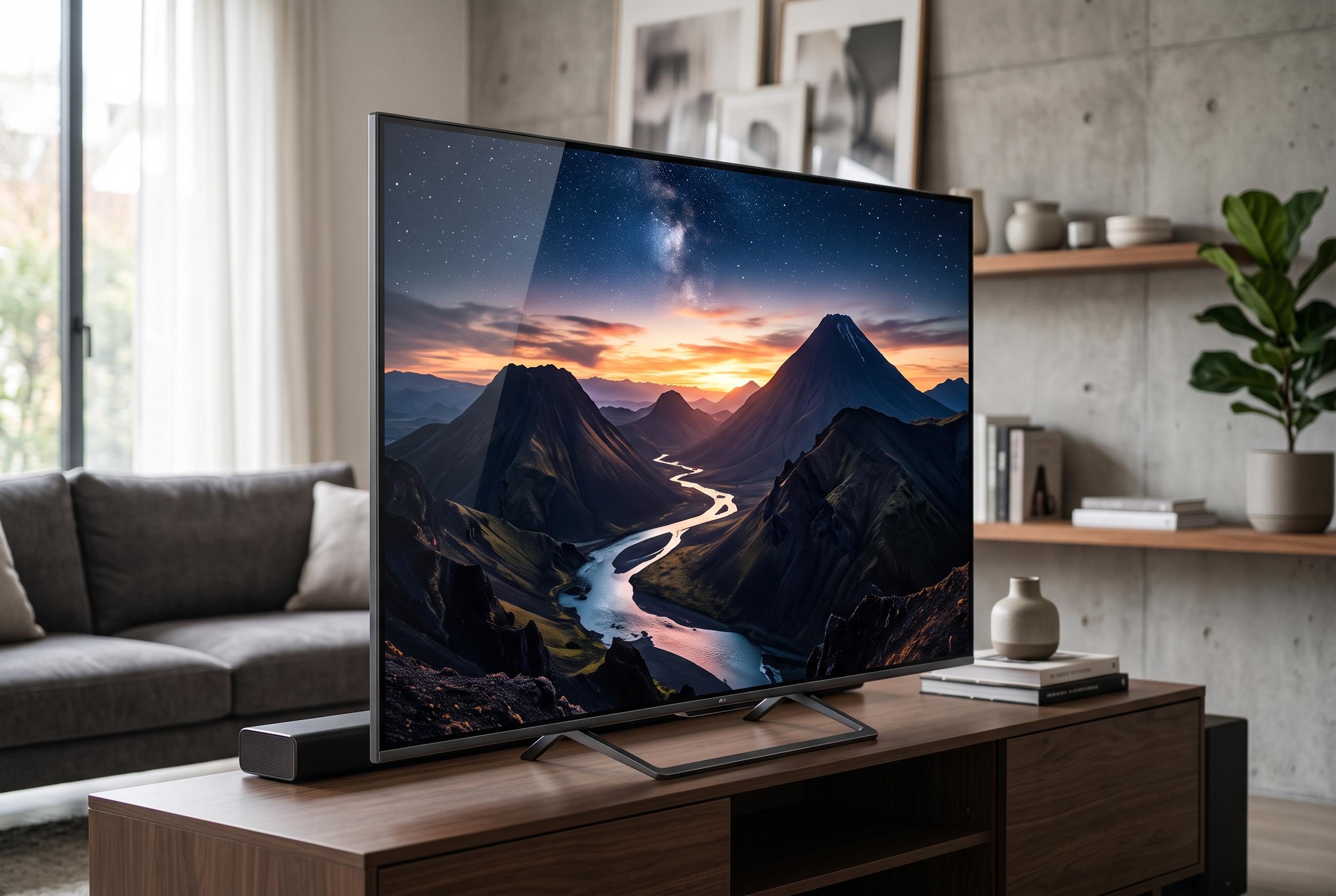

Chinese television makers are facing increased scrutiny as competition heats up in the mini LED segment, with Korean brands responding by expanding their offerings amidst marketing controversies and legal disputes over product claims.
Chinese television makers are under fresh scrutiny as the battle for mini LED set shipments intensifies. Reuters-Yonhap, citing Omdia data, reported that Samsung Electronics led the global market in the second quarter, with TCL, Hisense and LG Electronics close behind. The figures show how tightly the field has narrowed as mini LED has become a major premium TV category rather than a niche feature. According to Omdia, mini LED accounted for 13% of global TV shipments in the quarter.
The market has shifted sharply over the past few years. Reuters-Yonhap reported that Samsung held a dominant position in 2022, but Chinese brands widened the category by pushing cheaper models into the mid-range and then using that scale to attack the premium tier. TCL also deepened its supply-chain control by using its own LCD panel affiliate and by buying a majority stake in LED chip maker Prima last year, helping it reduce costs. Omdia has said SQD mini LED offers strong colour performance at a lower manufacturing cost than RGB mini LED alternatives under comparable conditions.
That competitive pressure has also led to criticism over marketing language. Reuters-Yonhap said TCL recently promoted self-measured picture-quality scores in Korea in a way that made them appear to be Omdia’s own assessment. Omdia later said the measurements were TCL’s, not its own, and that its report made that clear. The row follows earlier disputes over product naming, including allegations that a TCL model marketed as RGB mini LED did not use separate red chips, and court and class-action cases abroad involving QLED claims by TCL and Hisense.
Korean manufacturers are now pressing harder in response. Reuters-Yonhap reported that Samsung has broadened its mini LED range beyond the ultra-premium segment, while LG has added the technology more seriously to a TV strategy long centred on OLED. That has helped Korean brands close the gap again. Consumer science professor Lee Eun-hee told Reuters-Yonhap that if shoppers were led to believe an outside expert had verified TCL’s claims when it had not, the result could amount to deceptive advertising.
Disclaimer: This content is intended for informational purposes only. Readers are advised to exercise their own judgement, conduct due diligence, or consult a qualified expert before acting on any information provided.