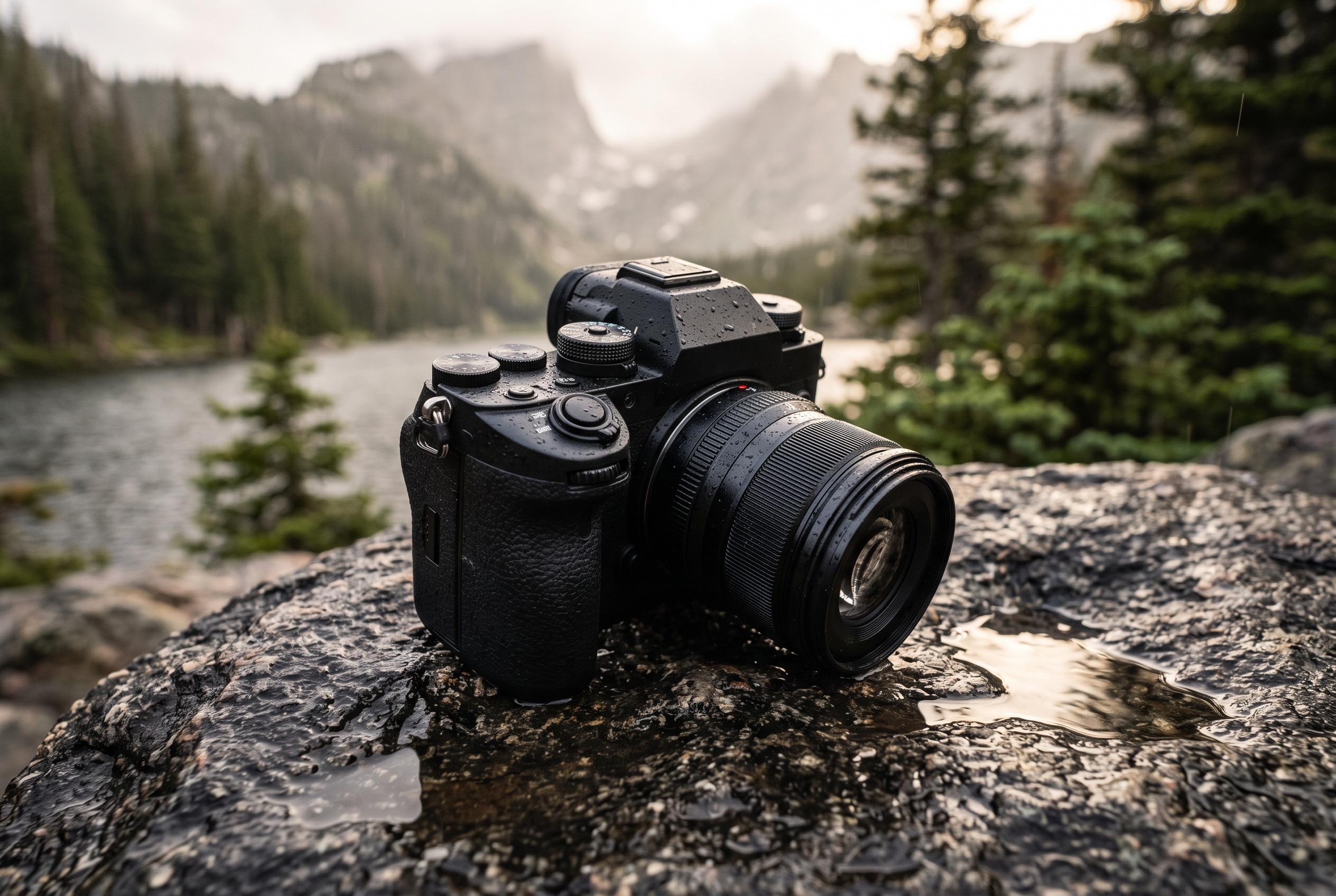

Nikon Z8, Canon EOS R5 Mark II and Sony A7 IV showcase enhanced weather sealing for serious outdoor photographers, but practical protection depends on usage and lens choices.
For photographers who work outdoors, the question is not whether a camera can survive a light shower, but how much protection it offers when conditions become genuinely difficult. Canon Rumours argues that the Nikon Z8, Canon EOS R5 Mark II and Sony A7 IV are among the strongest mirrorless options for wet weather, but the practical answer depends on how often the camera will be exposed to rain, spray and cold.
Among the current full-frame bodies aimed at serious users, the Nikon Z8 stands out for its construction. Nikon says the camera uses a magnesium-alloy body with extensive sealing, while DPReview describes it as fully sealed and gasketed, with dust and drip resistance that makes it especially appealing for landscape, wildlife and other outdoor work. Nikon also rates it for operation down to -10C, underlining that it is intended for more than fair-weather use.
Canon’s EOS R5 Mark II offers a similar pitch for photographers who prefer the Canon system. According to Canon and DPReview, it combines a magnesium-alloy chassis with dust- and weather-resistant sealing, plus a sealed electronic viewfinder designed to help resist fogging and environmental changes. The camera adds a 45-megapixel full-frame sensor, fast burst shooting and 8K video, which makes it a strong all-rounder when weather protection is only one part of the brief.
Sony’s A7 IV remains a practical middle-ground choice. Canon Rumours notes that Sony markets the camera’s magnesium-alloy body as weather-sealed for professional use, and its 33-megapixel sensor, in-body stabilisation and autofocus system make it suitable for travel, landscapes and events. For many photographers, that combination may matter more than extreme sealing alone, especially if the camera will spend more time in drizzle than in heavy rain.
The key distinction is that weather sealing is not the same as waterproofing. It reduces the chance of moisture entering vulnerable points such as buttons, joints and the lens mount, but it does not make a camera safe to leave in persistent rain without protection. That is why the lens matters as much as the body. A sealed camera paired with an unprotected lens still leaves a weak point, and Canon Rumours rightly notes that a weather-resistant lens can be just as important as the body itself. For occasional use, a rain cover or sleeve may be enough, while action cameras from GoPro, DJI and Insta360 remain a better fit when portability and outright wet-weather resilience matter more than interchangeable lenses. Canon Rumours also recommends basic precautions such as a cloth for drying surfaces and allowing equipment to acclimatise after moving from cold, wet conditions into a warm room.
Disclaimer: This content is intended for informational purposes only. Readers are advised to exercise their own judgement, conduct due diligence, or consult a qualified expert before acting on any information provided.