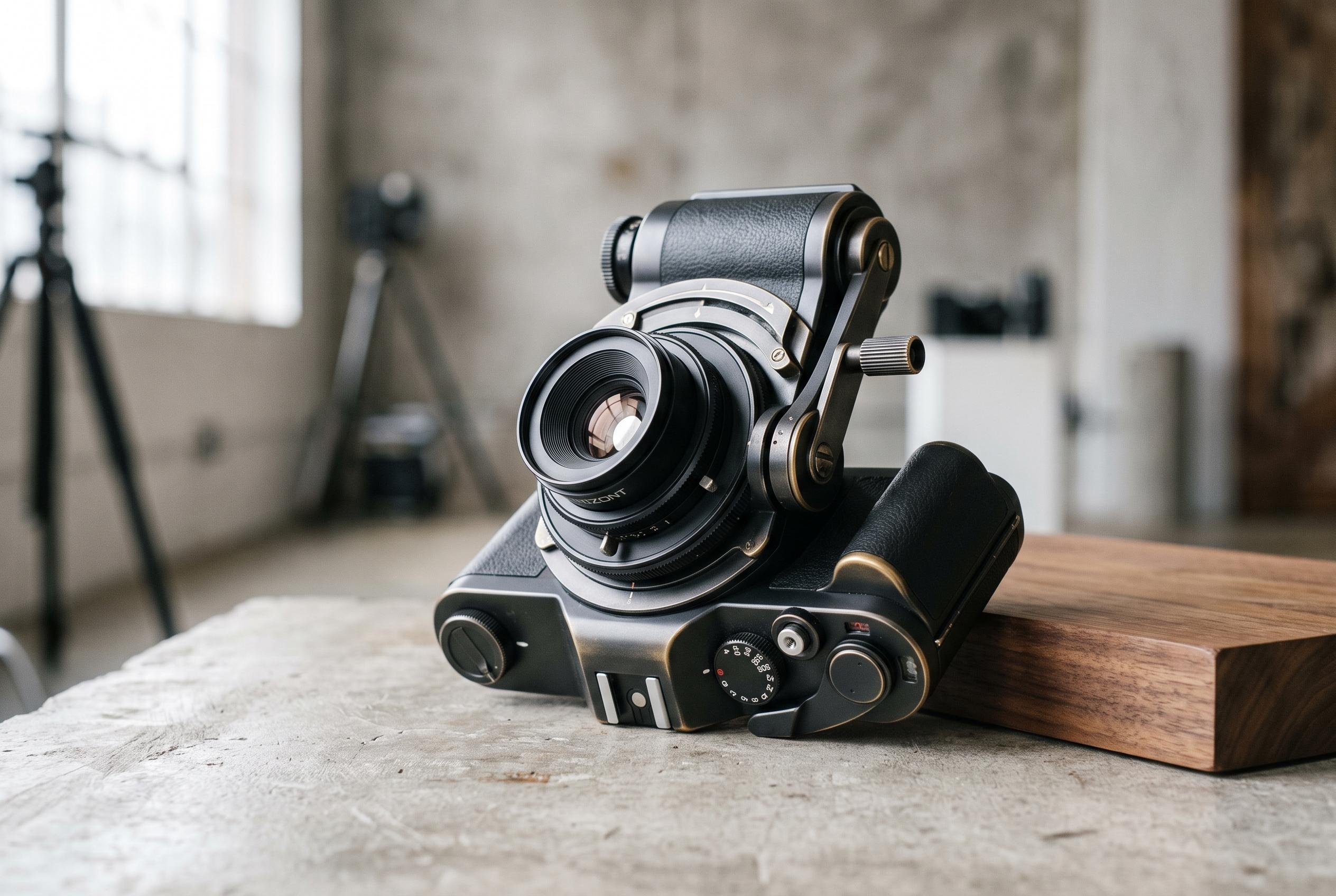

A deep dive into the evolving world of panoramic photography reveals how different camera systems, from swing-lens to crop-frame and extended formats, are shaping the way photographers capture expansive, compelling images and challenge traditional notions of space and scale.
Panoramic photography is often mistaken for a simple matter of using a wide lens, yet the real effect is usually about format as much as focal length. As the 35mmc article argues, changing aspect ratio can alter how space, scale and tension are read in a frame, and that is why long lenses, crop-frame cameras and dedicated panoramic systems can all produce images that feel expansive in very different ways.
The appeal is partly practical and partly aesthetic. Digital cropping makes panoramic results easy to obtain after the fact, but in-camera panoramas still offer a more deliberate process, with composition and camera design working together at capture. That distinction matters because the device itself shapes what can be seen, how quickly it can be framed, and how much of the result is decided before the shutter is pressed.
The article sets out three broad routes for 35mm panoramic work: swing-lens cameras, crop-frame compact cameras and extended-frame systems. Among the examples discussed are the KMZ Horizont, Panon Widelux F6 and KWD Noblex 135S on the swing-lens side; the Minolta P’s and Ricoh R1 as crop-frame models; and the Fujifilm TX-1, sold outside Japan as the Hasselblad XPan, as the extended-frame option. Taken together, they show how panoramic photography has evolved from mechanical ingenuity to more integrated, precision-led designs.
The KMZ Horizont, according to filmphotography.eu and other reference material, reflects an earlier, more utilitarian approach: fully mechanical, awkward by modern standards and dependent on careful handling, but capable of striking results. Wikipedia’s overview of the Horizon family notes its long production history and the shift across different models, while the auction and sample-image sources underline the camera’s unusual swing-lens rendering and its appeal to collectors and users willing to accept its quirks.
The Widelux and Noblex push that same swing-lens principle in different directions. The article notes the Widelux’s association with Jeff Bridges and points to plans for a modern revival, while the Noblex is presented as the most refined of the swing-lens group, with a bright finder, integrated level and more modern controls. Yet both remain mechanically demanding, and their rotating turrets bring familiar issues: slow rewinding, sensitivity to vibration and the possibility of banding or other long-term faults.
The crop-frame cameras take a different route entirely. The Minolta P’s and Ricoh R1 do not widen the lens in the optical sense; instead, they mask part of the frame in-camera. That makes them far simpler to carry and use, but the trade-off is a smaller image area and less detail than a full-frame exposure would provide. The article is also sceptical about their automation, particularly where the P’s flash behaviour and the R1’s prone-to-failure LCD displays are concerned.
At the high end sits the Fujifilm TX-1, whose system lenses and rangefinder handling make it the most flexible camera in the group. It can shoot both standard and panoramic frames on the same roll, and its manual controls give the photographer far more authority over focus and exposure than the fixed-lens alternatives. Even so, the article makes clear that the TX-1 is not simply the “best” option in all circumstances: it is larger, more expensive and less forgiving of casual use than the compact cameras.
The broader lesson is that panoramic photography is not just a question of image quality, but of discipline and intent. The article argues that level horizons, careful subject placement and an understanding of how distortion behaves are more important than chasing technical purity after the fact. In practice, the best panoramic camera is often the one that makes the photographer see differently and act quickly enough to capture that vision before the moment passes.
Disclaimer: This content is intended for informational purposes only. Readers are advised to exercise their own judgement, conduct due diligence, or consult a qualified expert before acting on any information provided.