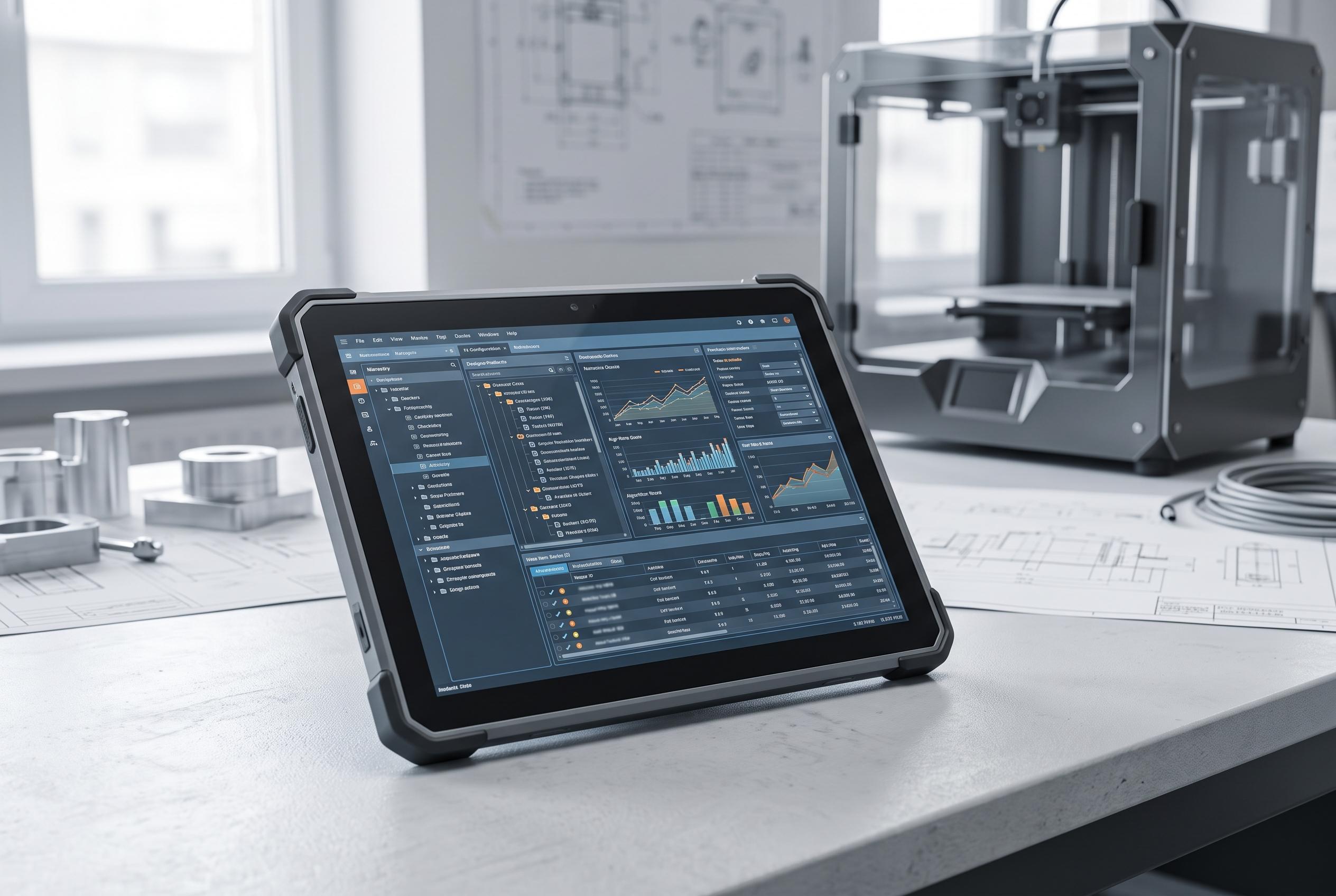

As product portfolios become more complex, manufacturers are increasingly turning to AI-enabled configure, price, and quote systems to improve efficiency, minimise errors, and protect margins, marking a significant shift in industrial sales technology.
Manufacturers are grappling with a level of product complexity that is now reshaping how they sell, quote and deliver. Tacton’s 2026 State of Manufacturing Report says 67% of respondents now describe their portfolios as very or extremely complex, a sharp rise from the previous year. The same survey found that 62% of manufacturers are losing margins between quotation and delivery, while customization has become the most common quoting challenge.
That pressure is exposing the limits of traditional configure, price and quote systems. According to Tacton, 93% of manufacturers still re-synchronise configuration rules manually across systems, while only 7% define rules once and reuse them consistently. In hybrid configure-to-order environments, every new option adds more coded logic, more maintenance and more scope for error. Tacton says 81% of firms rate CPQ model maintenance as moderately to very demanding, and quoting mistakes are already eating into margins before production begins.
AI is increasingly being used to reduce that burden. Tacton says its AI-assisted modelling tools can cut overall setup effort by up to 80%, with the most complex products seeing reductions of up to 50%. The company says the generated models are typically 70% to 80% complete before human review. Its examples include Alimak, which reported material gains in modelling efficiency, and Spectrum Industries and Metso Minerals Separation, which both recorded faster quoting or higher quotation volumes after adopting AI-enabled CPQ tools.
The wider market is also expanding. Industry research from Mordor Intelligence and Grand View Research places the CPQ software market at about $3.6 billion in 2026, with manufacturing accounting for more than 31% of revenue. That growth reflects a broader shift towards automation in industrial sales, as buyers expect faster responses and more accurate configuration. Tacton says 79% of manufacturers are now investing in or exploring AI, up from 64% in 2025.
But the return on AI depends heavily on the quality of the underlying data. Tacton says manufacturers with shared data systems suffer much lower margin erosion than those working with silos, and that only 27% track demand at the level of product features or options. Without that visibility, even sophisticated tools struggle to optimise configurations, pricing and quoting. The conclusion is increasingly clear: in manufacturing, AI can help CPQ scale, but only where the data architecture is ready to support it.
Disclaimer: This content is intended for informational purposes only. Readers are advised to exercise their own judgement, conduct due diligence, or consult a qualified expert before acting on any information provided.