
LG Electronics unveils a new phase in its AI Home concept at IFA 2026, featuring ThinQ Claw’s conversational control, broader device interoperability through Homey, and integrated energy solutions to optimise household efficiency.
LG Electronics is using this year’s IFA in Berlin to push its smart-home strategy beyond simple device control, with a new conversational agent, broader interoperability and a stronger focus on energy management. The company says the showcase is designed around its AI Home concept, which aims to connect appliances, services and household routines into one system rather than treating each product in isolation.
At the centre of the announcement is ThinQ Claw, a text-based AI agent that LG says can interpret intent and context, then coordinate relevant devices or services. In practice, the company describes this as a way for users to share plans or current circumstances through chat instead of building complex automation rules. LG says the system can help prepare a kitchen for guests, adjust indoor conditions before someone arrives home, or suggest entertainment and relaxation options, while also learning preferences over time.
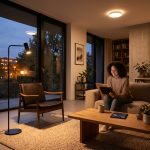
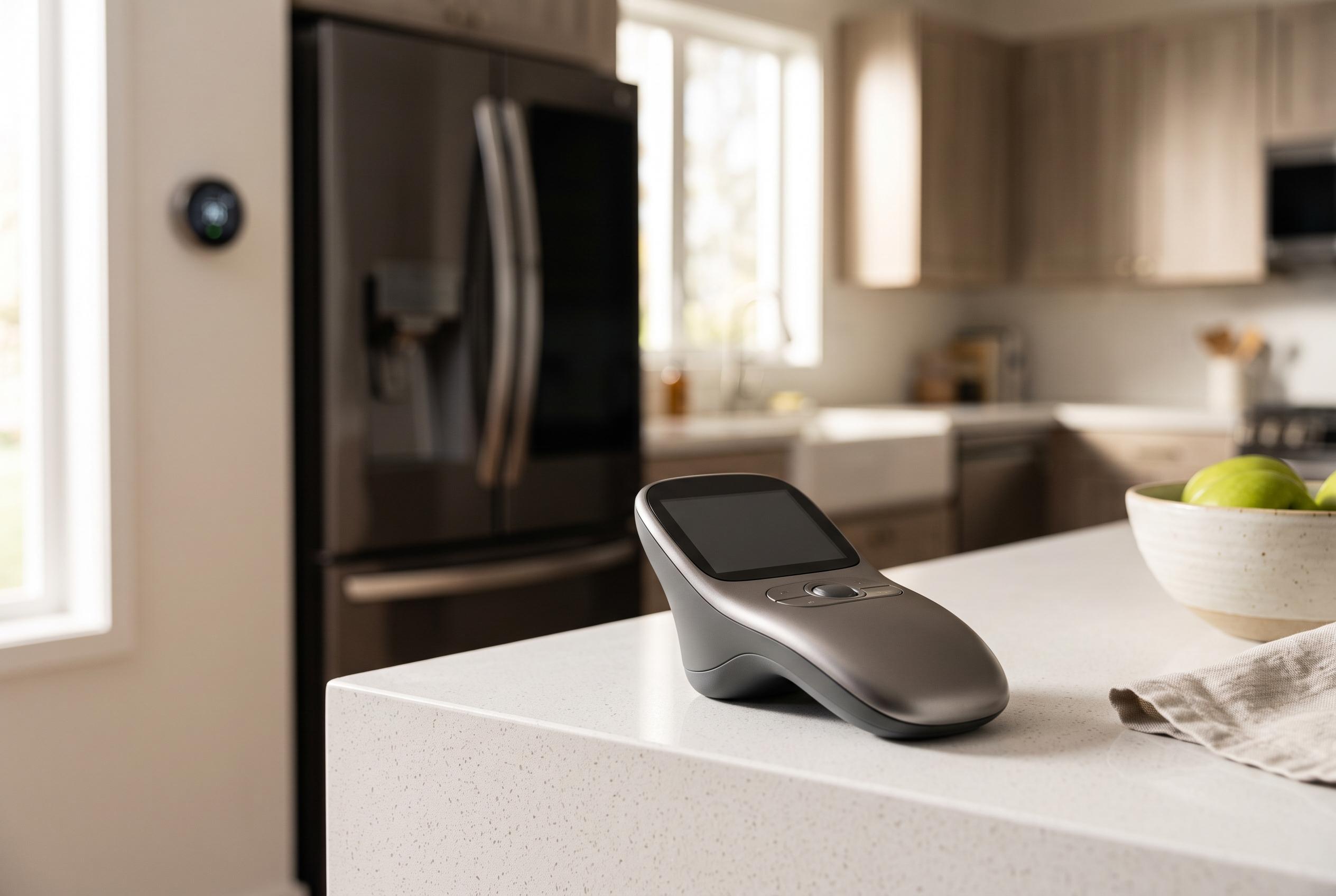
LG is also highlighting a wider ecosystem built around Homey, the smart-home platform it acquired with Athom in 2024. According to the company, the platform is intended to improve interoperability across products from different manufacturers, so that appliances, heating, lighting and other connected devices can be managed together. LG is presenting this through separate living, kitchen and rest-area demonstrations at IFA, underlining its effort to make the AI Home concept feel practical rather than speculative.
Energy management is another key part of the pitch. LG says its Home Energy Management System links smart meters, solar panels, home batteries and electric vehicle chargers with LG appliances, allowing generation, storage and consumption to be co-ordinated in real time. The company claims this can reduce electricity costs by timing usage more efficiently and by taking account of dynamic tariffs where available, although it notes that savings will depend on local conditions and household habits.
LG is also using the event to introduce ThinQ Pro to Europe, extending the AI Home approach into multi-family and commercial settings. The company says the platform is meant for shared buildings and professional environments, where device management and facilities control are more complex. Alongside that, LG is promoting its Shield security framework as a safeguard for connected appliances, services and customer data, signalling that privacy and protection will be central to the company’s wider connected-home offer.
Disclaimer: This content is intended for informational purposes only. Readers are advised to exercise their own judgement, conduct due diligence, or consult a qualified expert before acting on any information provided.