
Innovative earbuds equipped with EEG sensors are transforming consumer sleep and focus tracking, raising new questions about privacy and data use in wearable technology.
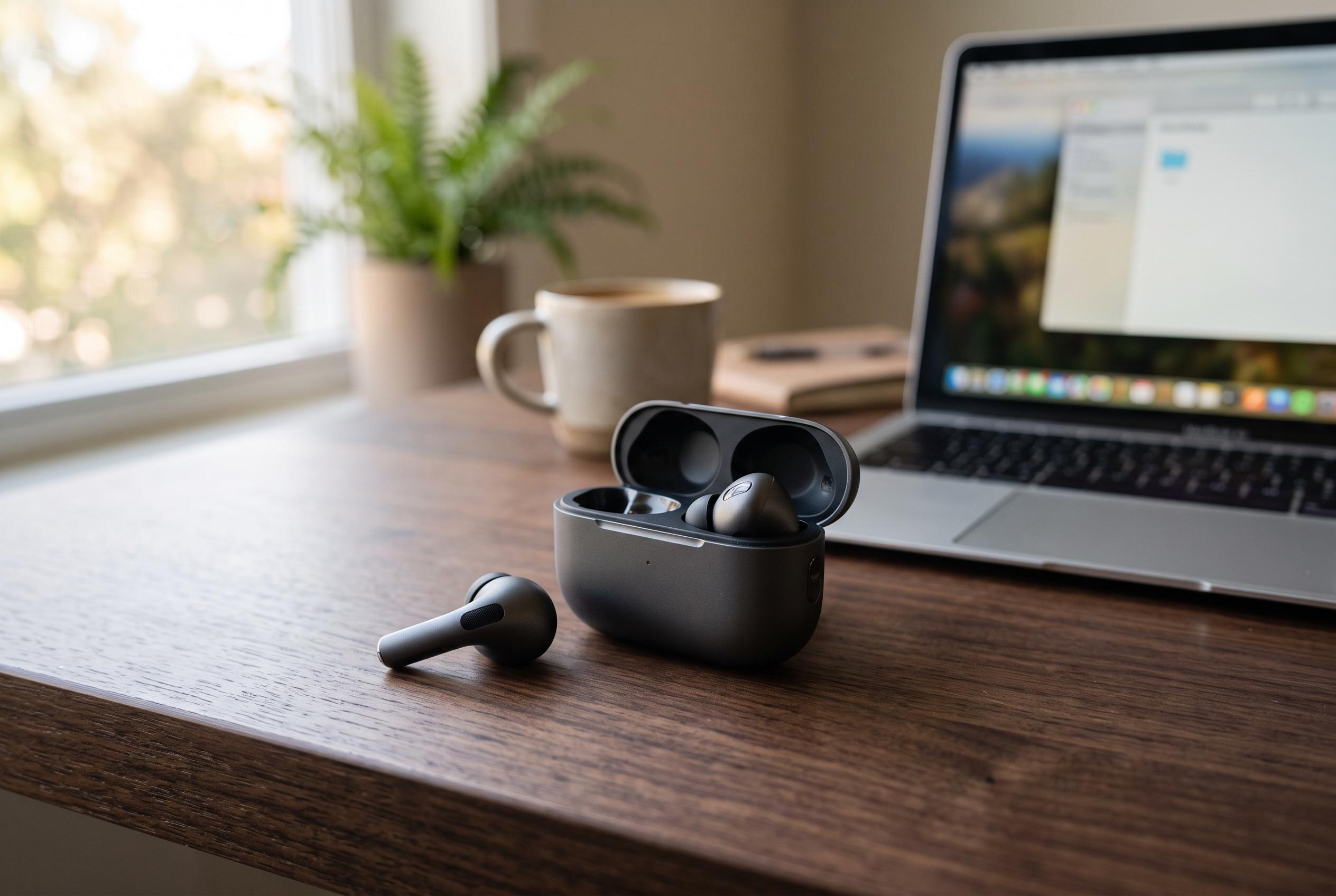
Earbuds are emerging as an unexpected platform for brain-sensing technology, with companies seeking to move electroencephalogram, or EEG, monitoring from specialist equipment into ordinary consumer audio devices. TechRepublic reported that the appeal is straightforward: if the sensors can be built into products people already wear for long periods, they may make brain data far more practical to collect outside laboratories. The result could be a new category of wearables aimed at sleep, focus and fatigue rather than steps or heart rate.
NextSense is among the best-known names in the field. According to SoundGuys and TWICE, its Smartbuds are the first truly wireless earbuds to include built-in EEG sensors, with six sensors used to track brain activity during sleep and trigger timed audio stimulation intended to support deeper rest. Forbes said the device is designed to detect changes in sleep state in real time and respond accordingly. The product is priced at $399.99, requires an iPhone 12 or newer, and includes a mandatory Fit Kit subscription, SoundGuys reported.
Neurable is pursuing a slightly different approach with headphones rather than earbuds. The company says its MW75 Neuro model combines premium audio with EEG-based brain tracking, real-time biofeedback and personalised cues intended to help users take breaks before burnout sets in. On its own research pages, Neurable describes the technology as a non-invasive brain-computer interface that uses advanced signal processing and AI to translate brain activity into measures such as focus, cognitive load and brain health.
The wider significance lies in the data these devices may generate. TechRepublic noted that brain sensing raises sharper questions than conventional fitness tracking, because inferred mental states are more sensitive than step counts or heart-rate trends. That makes accuracy, transparency and privacy central to adoption. If the category grows, the key issue may not simply be whether earbuds can measure EEG signals, but what companies are permitted to infer from them, who can access those inferences and how much trust consumers are willing to place in a device that listens to the brain as well as to music.
Disclaimer: This content is intended for informational purposes only. Readers are advised to exercise their own judgement, conduct due diligence, or consult a qualified expert before acting on any information provided.