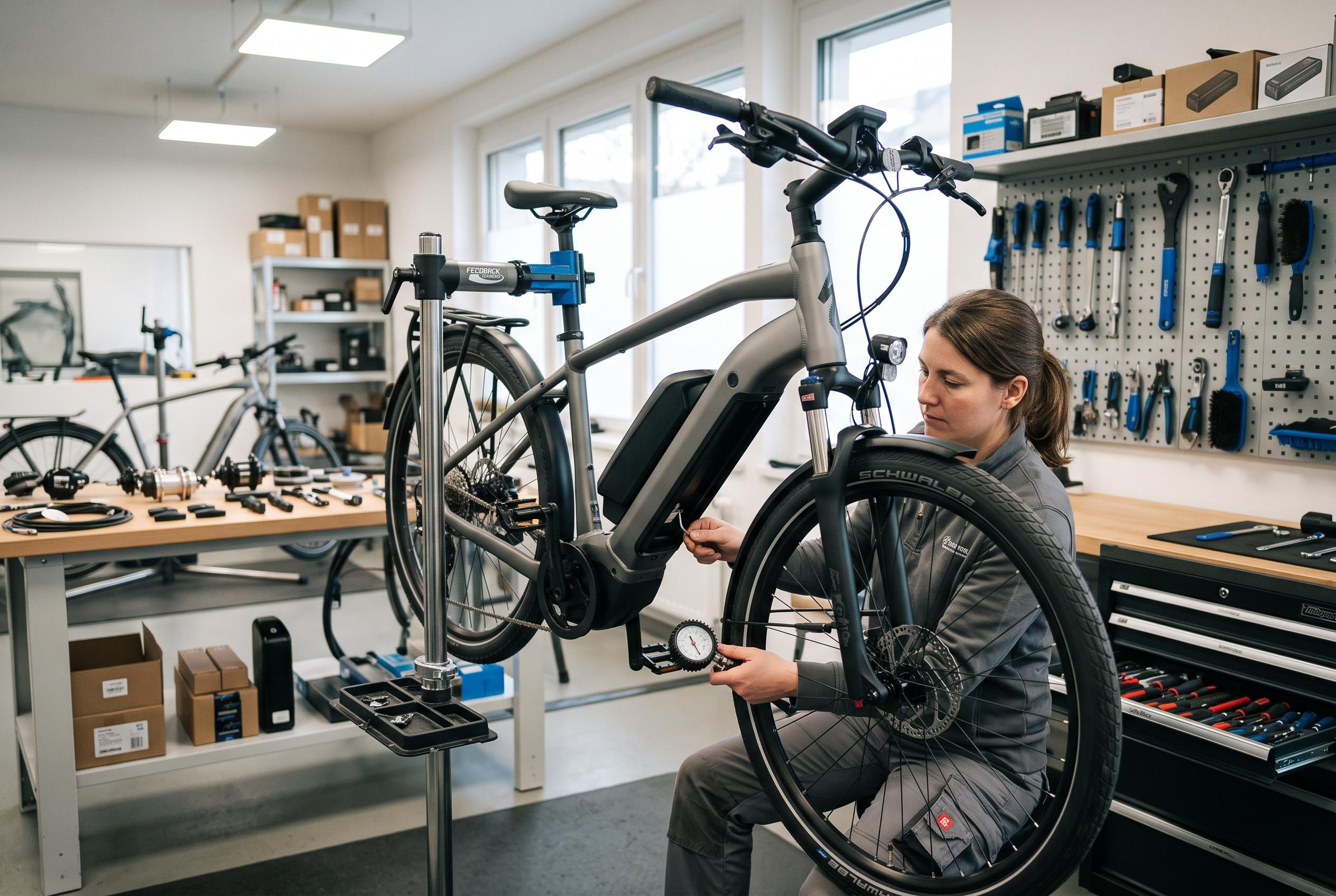

Regular inspections, proper battery handling, and scheduled servicing are essential for keeping electric bikes reliable and safe, according to industry experts and guides.
Keeping an e-bike in reliable condition is less about occasional repairs than disciplined routine care. The basics are familiar to any cyclist: tyres, brakes, chain, bolts and bearings all need attention. What sets electric bikes apart is the added load from the motor and battery, which increases wear on the drivetrain, spokes and braking system, and makes electrical checks part of normal upkeep. Independent guides from EbikeLab, Volt & Velo, Biketips, Mokwheel and Ebike Delight broadly agree on the same point: regular inspection prevents small faults from turning into expensive failures.
Before each ride, riders should carry out a short safety check. That means confirming tyre pressure, looking for cuts or embedded debris, making sure the brakes bite properly, verifying that the battery is locked in place and checking that the wheels, seatpost and quick-release hardware are secure. The chain should move smoothly when the pedals are turned backwards, and any motor cut-off linked to brake lever use should work as expected. This quick inspection is especially important on heavier bikes, where a minor fault can become a larger safety issue sooner than on a conventional bicycle.
Monthly maintenance should go deeper. The drivetrain needs cleaning and relubricating, with excess oil wiped away so it does not collect grit. Brake pads should be inspected for wear, rotors kept clean with isopropyl alcohol, and major fasteners checked with a torque wrench. Spoke tension also matters more on e-bikes because hub motors and higher system weight place extra stress on wheels. Cables and connectors should be examined for fraying, looseness or moisture, particularly around the handlebars and motor housing.
Longer-interval servicing is where many owners fall behind. Every six to twelve months, or after roughly 1,000 miles, the chain should be measured for stretch and replaced before it damages the cassette or chainring. Hydraulic brakes may need bleeding, bottom brackets and headsets should be checked for play or bearing wear, and suspension forks benefit from routine servicing if the bike is used on rough ground. Firmware updates are also part of modern e-bike care, with many systems now relying on manufacturer apps or dealer diagnostics rather than simple mechanical adjustment alone.
Battery care deserves particular discipline. Lithium-ion packs last longer when they are not repeatedly taken to empty or left at full charge for long periods. The safest routine is to charge indoors, avoid charging a hot battery immediately after a ride, and store the pack in a cool, dry place at around half charge if it will not be used for weeks. High-pressure washing is not suitable for e-bikes: water can force its way past seals, damage bearings and affect the motor, battery terminals, display and wiring. A damp cloth, mild cleaner and gentle rinse are the safer approach.
For riders looking for a compact fat-tyre option, Himiway’s D5 2.0 20-inch is presented by the company as a practical all-terrain model with a 750W motor, up to 90Nm of torque, a 48V 15Ah battery, and a claimed range of up to 70 miles with pedal assistance. The manufacturer says it can carry up to 440lb and is suited to commuting, recreational riding and lighter off-road use. As with any high-powered e-bike, the key is not just capability but upkeep: frequent tyre checks, clean drivetrain care, regular brake inspection and careful handling of the electrical system.
Disclaimer: This content is intended for informational purposes only. Readers are advised to exercise their own judgement, conduct due diligence, or consult a qualified expert before acting on any information provided.