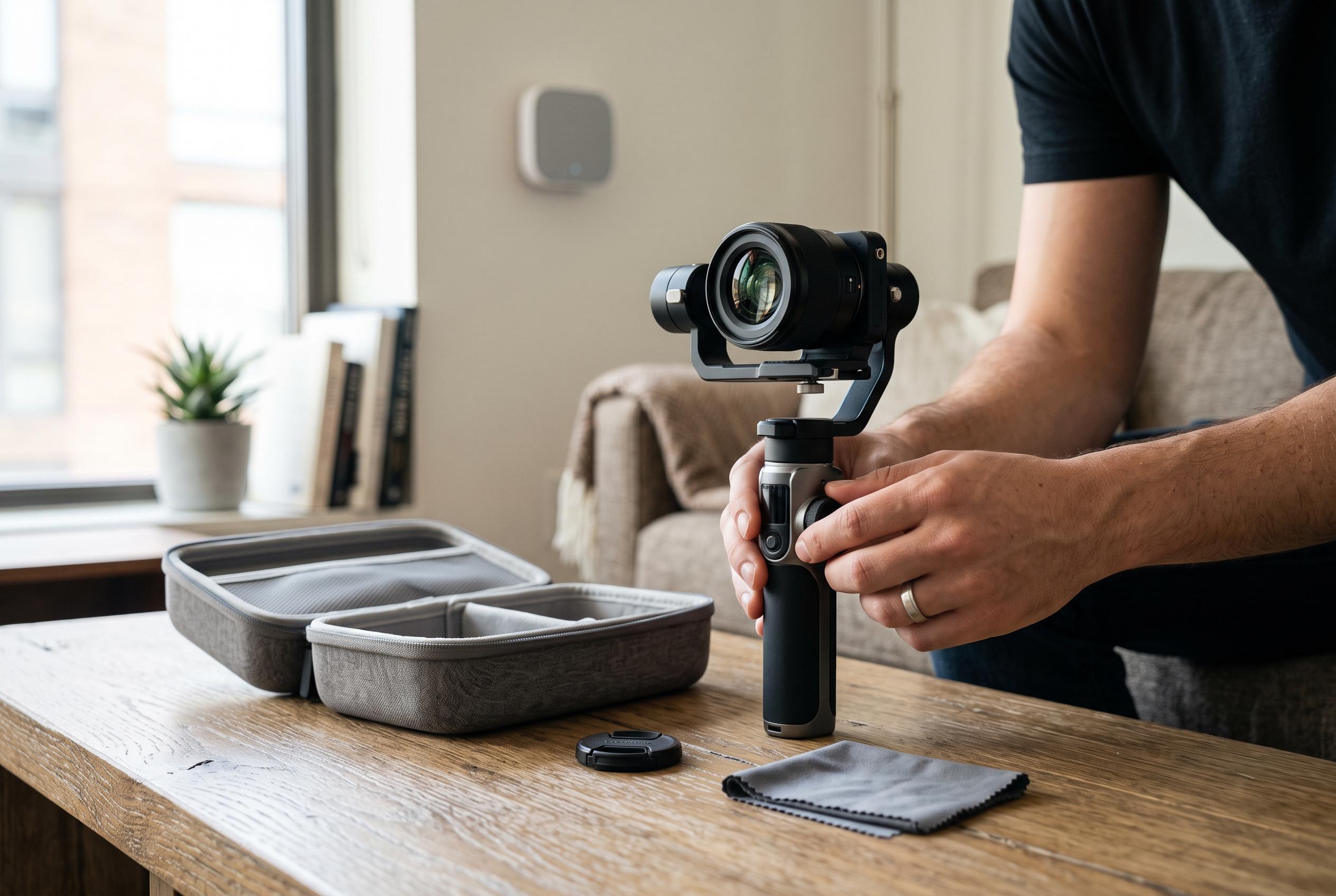

DJI unveils the Pocket 4P and Pocket 4, tailored for different creators, introducing advanced optics and colour science, with notable differences in sensor layout, image character, and price point.
The DJI Pocket 4P and Pocket 4 are pitched at different kinds of creators, even though both rely on compact, gimbal-stabilised bodies and 10-bit 4K recording at high frame rates. The clearest distinction is image character. According to the Film Alliance summary cited by Geeky Gadgets, the Pocket 4P is tuned for richer colour, stronger contrast control and broader highlight-and-shadow retention, while the Pocket 4 aims for a flatter result that is easier to shape later in editing.
That difference is reinforced by the sensor and lens layout. The Pocket 4P is described as a dual-camera model with a 1-inch main sensor and a separate 3x optical zoom module, which gives it more flexibility for distant subjects and tighter framing without the softness associated with digital enlargement. The Pocket 4, by contrast, uses a single 1-inch sensor and simulated zoom, making it simpler and lighter, but less versatile when reach matters. TechRadar and T3 both describe the Pocket 4P as carrying a wide-angle lens alongside a telephoto lens, underlining the more ambitious optical design.
Stabilisation is also presented as a matter of use case rather than absolute superiority. The Pocket 4P is said to hold up better at longer focal lengths, where micro-movements are more visible, while the Pocket 4 is positioned as the more straightforward handheld option for vlogging and everyday shooting. That split makes sense for creators who alternate between walk-and-talk footage and more deliberate, zoomed compositions.
Colour science is another dividing line. The Pocket 4P is described as producing deeper, more saturated output, particularly in skies and highlights, which gives footage a more finished look straight from the camera. The Pocket 4 leans towards cooler, lighter tones with a more neutral appearance. That makes it the more practical choice for users who prefer to grade everything themselves, even if the raw image is less striking.
Dynamic range is where the Pocket 4P appears to pull furthest ahead. The Film Alliance summary says it supports a D-Log M 2 profile with up to 17 stops of dynamic range, while TechRadar and T3 also highlight the model’s stronger low-light performance and cinematic latitude. The Pocket 4 is still capable, but its standard 10-bit log profile and more restrained tonal range place it closer to the enthusiast end of the market.
Price and availability complete the picture. Geeky Gadgets places the Pocket 4P at roughly $620 and the Pocket 4 at about $450, while noting that neither is officially sold in the United States and buyers may have to rely on third-party sellers. For that extra outlay, the Pocket 4P offers the more complete creator package, including the broader focal range and more advanced image pipeline. The Pocket 4 remains the more accessible option for travel, casual video and users who value simplicity over maximum flexibility.
Disclaimer: This content is intended for informational purposes only. Readers are advised to exercise their own judgement, conduct due diligence, or consult a qualified expert before acting on any information provided.