
Apple’s AirPods 4 with Active Noise Cancellation impresses with its open-fit design, challenging traditional in-ear models, while Huawei, Sony and Tecno target different listening needs in a diverse market landscape.
Apple’s AirPods 4 with Active Noise Cancellation, Huawei’s FreeBuds 6i, Sony’s LinkBuds Clip and Tecno’s Sonic 1 Active sit in the same broad category, but they solve very different problems. TechRadar and RTINGS both found Apple’s latest open-fit model to be unusually effective at reducing noise without silicone tips, while review sites including HeadphoneCheck and Notebookcheck describe Huawei’s FreeBuds 6i as a more conventional sealed option with stronger isolation and broad codec support. Sony’s open-ear design is aimed at awareness rather than silence, and Tecno’s budget pair leans on battery life and flexibility instead of premium audio processing.
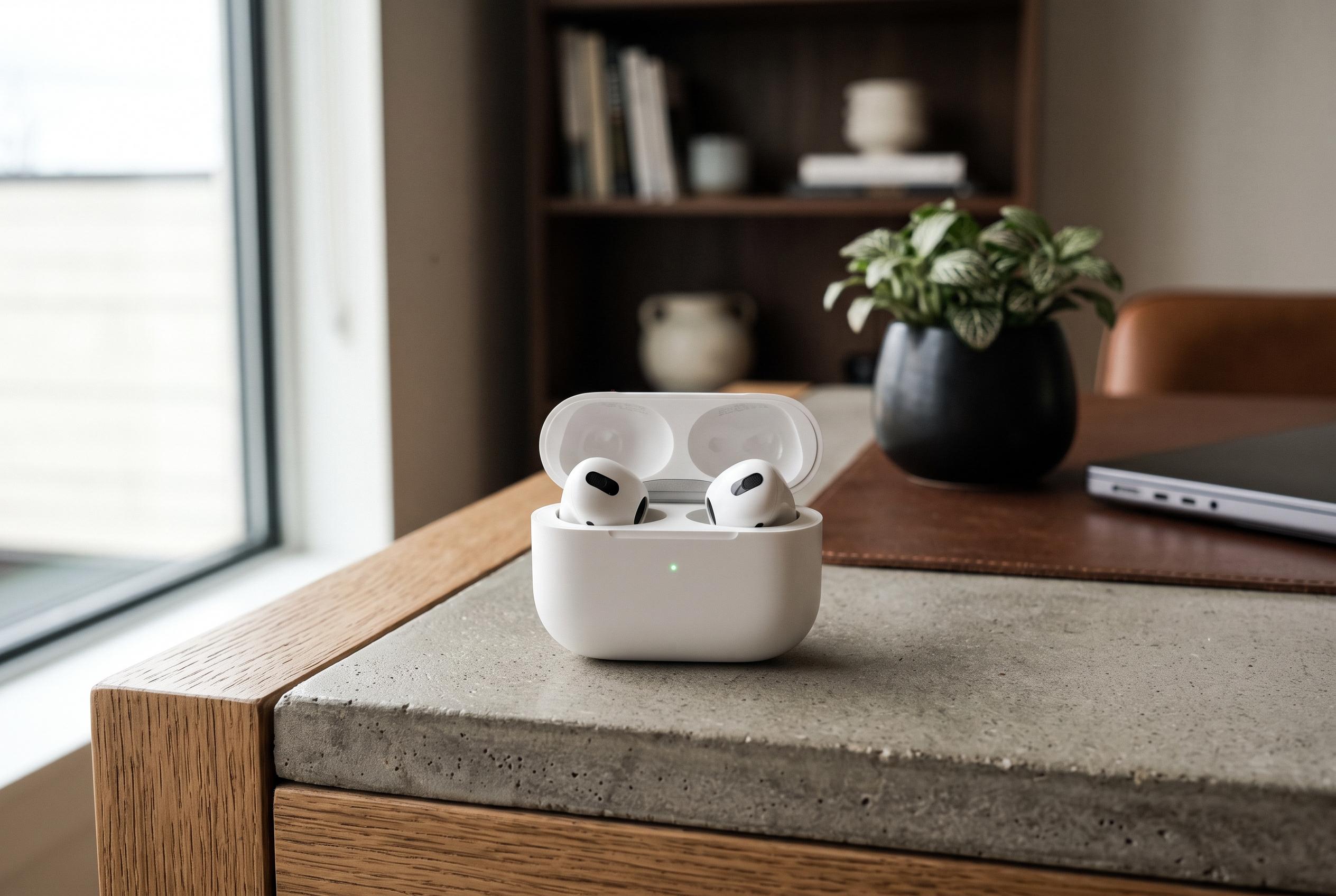
Apple’s case is the most distinctive because it brings active noise cancellation to an earbud that does not seal the ear canal. Wareable and SoundGuys both noted that the AirPods 4 ANC are impressively capable for an open-fit design, with a sound signature that is deep and dynamic, but also that they do not match the stronger isolation of Apple’s Pro line. The model’s appeal lies in its automation: noise cancellation, transparency, Adaptive Audio and Conversation Awareness all work together to adjust what the wearer hears, which suits people who move between office, street and home use throughout the day.
Huawei’s FreeBuds 6i take the opposite approach. HeadphoneCheck and Notebookcheck highlight the sealed fit, multiple noise-cancelling modes and support for hi-res codecs such as LDAC and L2HC 2.0, which gives the model a more traditional audiophile argument. The tighter fit also gives the earbuds a clear advantage for travel and commuting, where passive isolation matters before the electronics even begin. For users who want strong ANC, dual-device support and a more secure fit, Huawei’s package is arguably the most practical of the four.
Sony’s LinkBuds Clip are built around openness. Rather than trying to block the outside world, they keep voices, traffic and announcements audible, which makes them useful for running, walking and office environments where awareness matters. Sony’s Voice Boost feature is a useful addition for podcasts and spoken-word content in noisier surroundings, while Sound Leakage Reduction helps limit how much audio escapes in quiet places. That makes the LinkBuds Clip less suitable for cancelling engine noise, but more appropriate for all-day wear without the pressure of an in-ear seal.
Tecno’s Sonic 1 Active are the outlier on price and endurance. The company’s design allows both a more sealed in-ear arrangement and a looser half-in-ear mode, giving buyers some control over comfort and isolation. Battery life is the headline feature: Tecno claims up to 50 hours in total, which is well ahead of the others. The trade-off is obvious, as there is no true ANC or transparency system, but for buyers who prioritise value, long runtime and basic dual-device convenience, the compromise is sensible.
Taken together, the comparison is less about finding the “best” earbuds than matching the right design to the right use. Apple suits iPhone users who want a polished, highly integrated experience and dislike silicone tips. Huawei is the stronger all-round value for people who want real ANC and a familiar in-ear fit. Sony is the best choice for situational awareness. Tecno is the budget pick for long listening sessions. In a market crowded with similar-looking products, these four stand apart because they are optimised for different kinds of listening rather than the same one.
Disclaimer: This content is intended for informational purposes only. Readers are advised to exercise their own judgement, conduct due diligence, or consult a qualified expert before acting on any information provided.