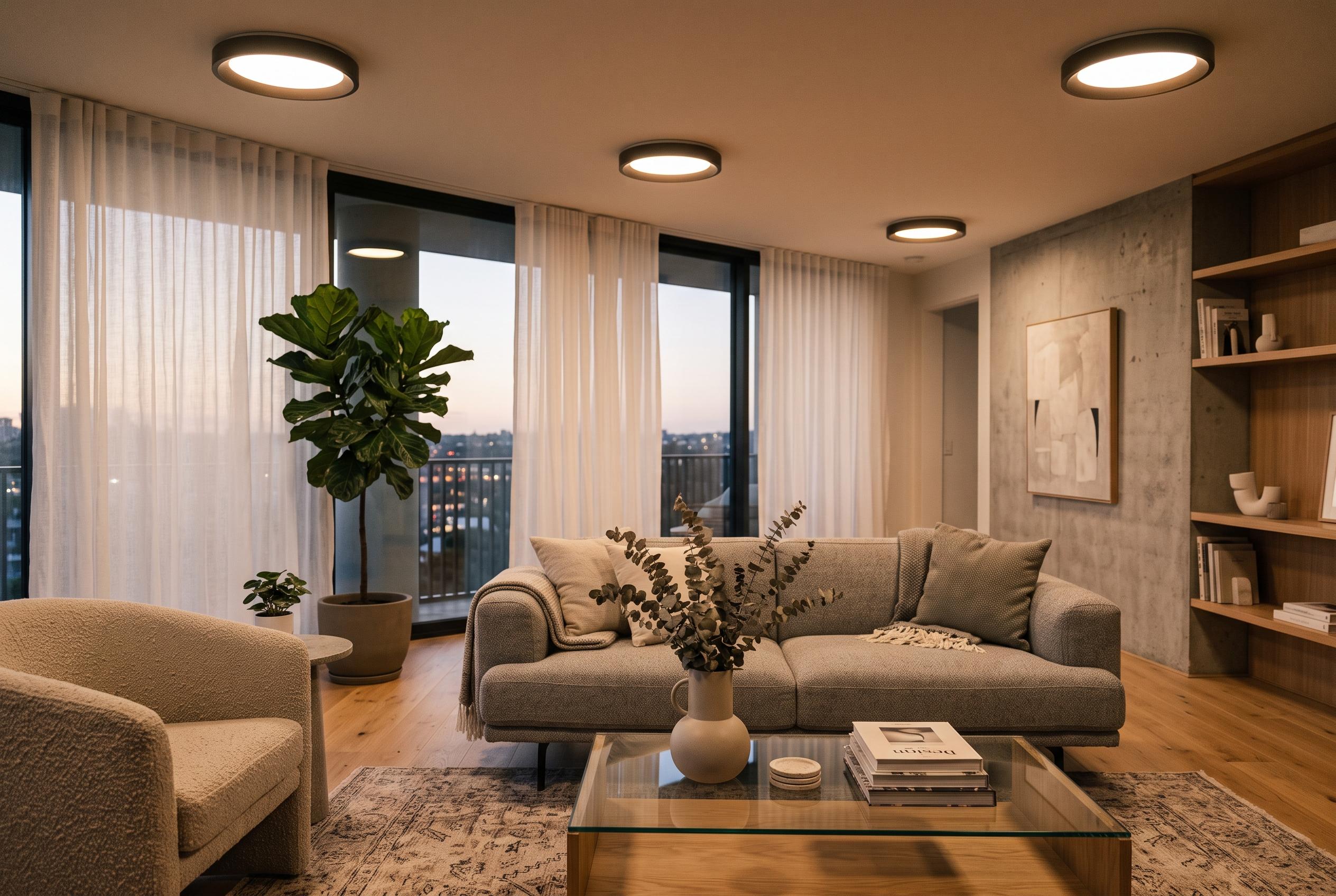

Direct-connected, hub-free smart bulbs are rapidly becoming the standard entry point for consumers, offering simpler, cost-effective installation, though ecosystem compatibility remains a key consideration.
No-hub smart lights are no longer a sideline in the connected-home market; they are rapidly becoming the default starting point. WIRED wrote in January 2026 that, after testing nine bulbs, most of the models it recommended worked without a separate bridge, while TechRadar says TP-Link, Govee, LIFX, WiZ and Sengled all offer bulbs that can begin with a single direct-connected installation over Wi-Fi or Bluetooth. Taken together, those assessments suggest that hub-free lighting is now the mainstream entry route for buyers who want app control without adding more hardware to the home. (wired.com)
The attraction is straightforward: fewer boxes, lower upfront cost and quicker installation. The catch is that convenience at purchase does not remove the need to pick an ecosystem carefully. TechRadar warns that smart lighting systems are not generally compatible with one another, so a buyer who starts with one app and accessory set may end up staying there. That matters because Philips Hue, still treated by several reviewers as the benchmark system, can be run in a limited way over Bluetooth, but its broader functions such as remote access, accessory support, schedules and deeper automations still depend on a Hue Bridge. (techradar.com)
Among the brands that skip the bridge entirely, LIFX still holds a strong position, especially for buyers who care about colour output and effects. Tom’s Guide names the Lifx Mini the best smart bulb for smaller fittings and says it offers candle-flicker, strobe and music-reactive modes over direct Wi-Fi. Engadget places the LIFX Color A19 as its overall runner-up and notes that the bulb is Wi-Fi only, meaning there is no hub upgrade path later. Yet the picture is not wholly positive: WIRED says a recently tested LIFX bulb struggled to stay connected to Amazon’s ecosystem, and it singled out the company’s E12 candle bulb as a poor performer in a candle lamp. (tomsguide.com)
For buyers who care more about value than premium effects, TP-Link appears with unusual consistency across the guides. WIRED recommends the Tapo L530E pack for shoppers who want more bulbs for roughly the price of two higher-end rivals, though it says the setup process is more awkward than Cync or Meross. Engadget rates Kasa’s full-colour bulbs as the best affordable option, citing reliable Wi-Fi, room grouping, schedules and an in-app energy-use meter; it also says a four-pack costs about $40. Bob Vila adds that the simpler Kasa KL110 reaches 800 lumens and can be dimmed from 1 to 100 per cent without extra equipment. (wired.com)
Apple-focused buyers have a narrower field, but Meross stands out as one of the clearest no-hub answers. WIRED says the MSL120 can be added to Apple Home simply by scanning the bulb’s barcode, even without a dedicated Apple device such as a HomePod or Apple TV acting as a home hub. Bob Vila says the same bulb connects directly to home Wi-Fi, produces about 810 lumens and supports Siri alongside Alexa and Google Assistant, with grouping, scenes and schedules available through the app. (wired.com)
Govee’s range, meanwhile, shows how the no-hub category has expanded beyond basic replacement bulbs. TechRadar notes that some Govee lights include built-in microphones for music sync, while Bob Vila says the company’s colour-changing bulbs connect by Wi-Fi or Bluetooth, produce up to 800 lumens and include scene presets, timers and adjustable colour temperature. Tom’s Guide pushes that logic further with its recommendation of the no-hub Govee Star Light projector, which adds schedule integrations, a Bluetooth speaker and a white-noise machine, showing that direct-connected lighting is now spilling into broader ambient and entertainment products. (techradar.com)
The field is also broader than the usual shortlists imply. Bob Vila highlights WiZ, owned by Signify, as a hub-free alternative that offers 800 lumens, app scenes, smooth dimming and Siri Shortcuts, while Popular Mechanics points to Yeelight as a direct-Wi-Fi bulb and says GE’s C by GE A19 works with Google Assistant, Alexa and Apple HomeKit, performing best inside Google’s ecosystem. The same split appears at Sengled: Popular Mechanics includes a starter kit that still needs a hub, whereas Engadget says Sengled also sells separate Wi-Fi colour bulbs that do not, underlining how even one brand can straddle both approaches. (bobvila.com)
The practical conclusion is that hub-free bulbs now make the most sense for a first room, a rented flat or anyone who wants colour control, scheduling and voice commands with the least effort. TechRadar explicitly presents them as a sensible way to begin with a single bulb or a small system, while Engadget argues that buyers planning a whole-home build may still prefer a hub-backed range such as Hue because it scales more deeply and supports more accessories. One last limitation remains basic but important: WIRED notes that if the Wi-Fi goes down, remote control stops working and the bulb effectively reverts to behaving like an ordinary light until the connection returns. (techradar.com)
Disclaimer: This content is intended for informational purposes only. Readers are advised to exercise their own judgement, conduct due diligence, or consult a qualified expert before acting on any information provided.