Recent security investigations reveal that LG and Samsung smart televisions are embedding proxy software and collecting extensive device and audio data, raising concerns over consumer privacy amidst major manufacturers’ responses to the scandal.
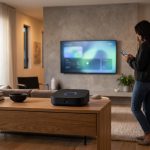
A fresh set of security findings has deepened scrutiny of how smart televisions are being used to harvest data from homes, with LG and Samsung sets linked to proxy software that can turn ordinary household connections into part of commercial web-scraping networks. The reporting builds on earlier research showing that app stores for both platforms contained thousands of apps with proxy code, much of it tied to Bright Data, the Israeli data company that markets residential proxy infrastructure to businesses, including AI firms.
Researchers cited by TechRadar and TechSpot say the issue goes beyond a single application or two. A broad scan of 6,038 LG webOS and Samsung Tizen apps found proxy software in 2,058 of them, or roughly a third. In LG’s store the share was far higher than in Samsung’s, and some of the affected apps were disguised as simple utilities, games or screensavers rather than obvious data tools.
Bright Data’s model is built around routing internet traffic through residential IP addresses so that websites see requests as coming from a normal home rather than a data centre. According to the reports, users are shown a one-off consent screen, sometimes in exchange for ad-free viewing, but the arrangement can continue in the background even after the app is closed. Bright Data has insisted that participation is consensual and that users can opt out, while also saying its software is intended for lawful data collection.
The technical review by Include Security raised further concerns about how the software behaves. The researchers said the SDK maintains contact with Bright Data’s servers and can receive instructions without the message signing, certificate checks or device authentication that would usually harden such a system. They also said an iOS version appeared to bypass the phone’s VPN and connect directly through the physical network interface. Bright Data said that behaviour came from a bug and has been fixed.
Separate research into LG televisions suggests the privacy issues are not confined to proxy networks. Gamers Nexus, Level1Techs and other investigators found that some LG sets scan the local network, identify nearby devices and gather information about Wi-Fi names, signal strength and channels. One television reportedly detected 38 devices, including phones, printers, smartwatches and a development board. The same reporting says LG’s automatic content recognition technology can also analyse HDMI input, meaning it may measure what is shown by connected laptops, games consoles and other external devices.
The microphone and voice-control functions have also drawn attention. The reports say some LG televisions can transcribe voice commands and may keep microphones active for several seconds after a command ends. LG has denied that its televisions continuously record ambient conversation, but researchers say incidental speech from nearby people could still be captured during voice use. Following the disclosures, LG said it would remove webOS apps that do not eliminate residential proxy functions, while Samsung said in August that it had stopped accepting new proxy-enabled apps and had begun removing existing ones. Amazon and Roku had already moved to ban such apps, and Google has reportedly tightened controls on background SDK activity.
Disclaimer: This content is intended for informational purposes only. Readers are advised to exercise their own judgement, conduct due diligence, or consult a qualified expert before acting on any information provided.