An in-depth review uncovers the most effective methods to diagnose and fix screen flickering, emphasising a systematic approach tailored to each device type, from PCs and smartphones to televisions.
Screen flickering is usually a symptom rather than a fault in itself. In most cases, the cause lies in display settings, a loose connection, a driver conflict or a failing component. TAG Mobile’s guide says the most effective approach is to start with simple checks and then narrow the problem step by step, rather than changing several settings at once.
On Windows PCs and laptops, Microsoft recommends checking whether the flicker appears in Task Manager, because that can help distinguish between a system-wide graphics issue and an incompatible application. Microsoft also advises restarting the graphics driver, reviewing refresh-rate settings, and using Device Manager to update or roll back display drivers if the problem began after a recent change. Windows updates can also help when the fault is tied to compatibility rather than hardware.
A basic hardware check is just as important. DeviceCheck and The CoreiTech both note that HDMI, DisplayPort, USB-C and power cables can trigger intermittent flashing when they are loose, damaged or connected to the wrong port. Reseating the cable, testing another lead or swapping to a different input can quickly separate a connection fault from a panel problem. The same principle applies to monitors connected through docks or adapters.
Gaming displays can be more complicated. PCWorld reports that variable refresh rate technologies such as G-Sync and FreeSync may cause visible flicker in some setups, particularly on VA and OLED panels. In those cases, the fix may involve adjusting VRR options, updating monitor firmware or changing in-game display settings rather than replacing the screen itself. That makes the exact conditions under which the flicker appears especially useful for diagnosis.
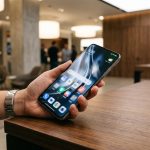
Phones follow a similar pattern. TAG Mobile says users should first restart the device, check whether adaptive brightness is creating the effect, and then install any pending operating system or app updates. If the issue continues, Safe Mode can help identify whether a third-party app is interfering with the display. Recent downloads are often the quickest suspects, especially when the screen began flashing only after an app update.
Televisions usually require a broader check of the signal path. According to TAG Mobile, the best sequence is to power-cycle the set, reconnect HDMI and other cables, disconnect external devices one by one and review picture-processing settings such as motion smoothing or energy-saving modes. If the flicker persists across every input and even the menu screens, the fault is more likely to be internal, with the backlight, power board or panel needing professional repair.
The main mistake is to treat flicker as a single problem with one universal fix. Microsoft, Windows Central and The CoreiTech all stress that users should not jump straight to a factory reset or install random driver tools. A more reliable method is to change one variable at a time, test after each step and avoid unnecessary resets until software, cables and settings have been ruled out. That approach is slower, but it is far more likely to identify the real cause.
Disclaimer: This content is intended for informational purposes only. Readers are advised to exercise their own judgement, conduct due diligence, or consult a qualified expert before acting on any information provided.