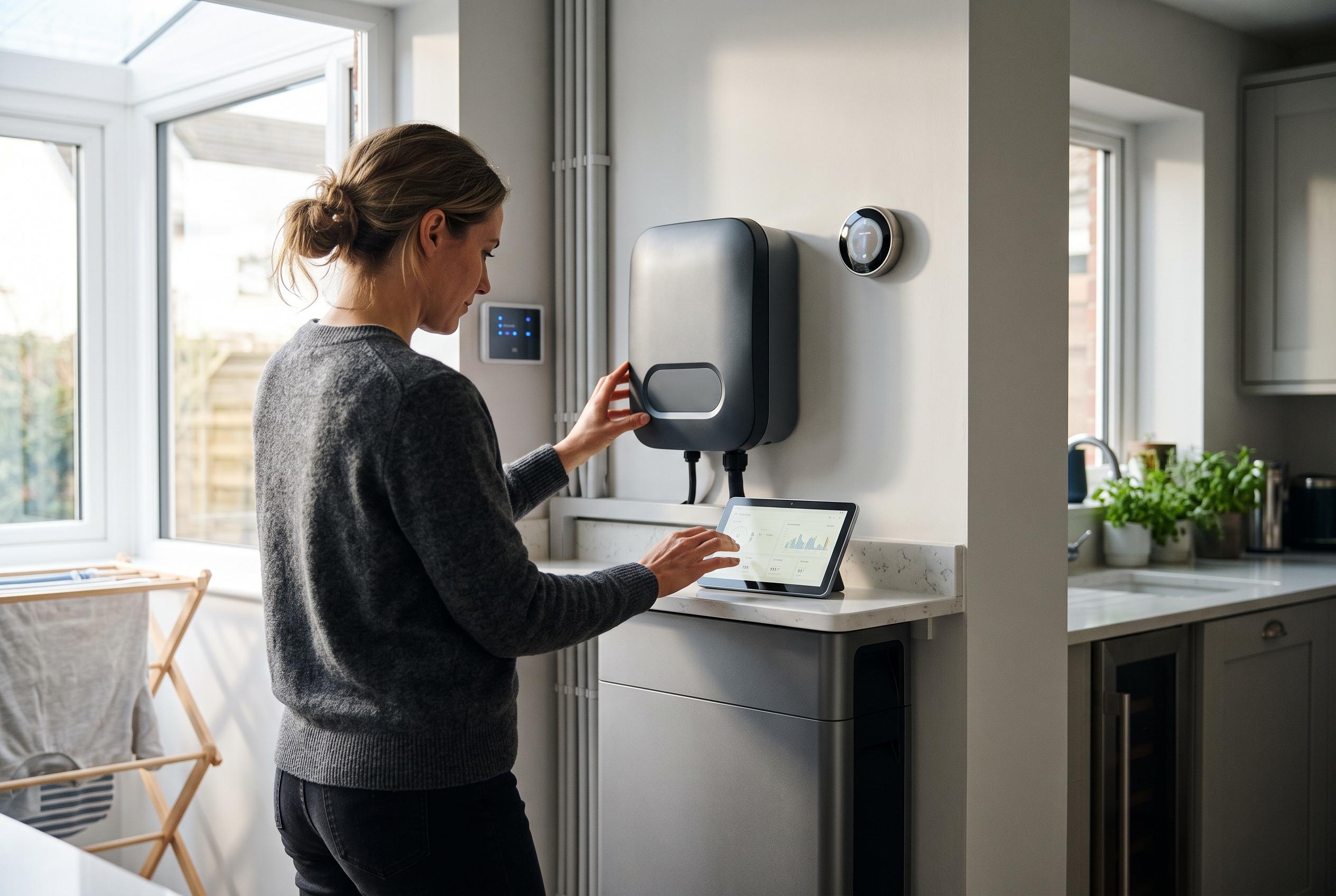

Connected homes are evolving beyond convenience to become intelligent energy ecosystems, integrating automation, solar power, and storage to optimise demand and increase independence, signalling a disruptive shift in household energy management.
Smart homes are moving beyond convenience features and into energy management. According to the Australian Government’s Department of Industry, Science, Energy and Resources, connected homes can automate and remotely control appliances, helping households cut bills, improve comfort and reduce emissions. The same logic now underpins a more ambitious goal: turning the home from a passive power user into a system that can monitor, shift and optimise its own electricity demand.
The first step is usually visibility. Smart thermostats, plugs and lighting controls show where energy is being used and where it is being wasted. ENERGY STAR says certified smart thermostats can learn household routines, use geofencing, provide remote control and record equipment data, all of which help reduce unnecessary heating and cooling. Practical guidance from Smart Energy also stresses that these devices are most effective when they are allowed to automate routine adjustments rather than simply mirror a fixed schedule.
That automation matters most when it helps avoid expensive peak-time consumption. The Australian Government says smart homes can shift appliance use to cheaper off-peak periods, while also improving overall efficiency. In practice, that can mean a dishwasher starting later, heating or cooling adjusting before occupants return home, or a smart plug cutting power to devices that continue drawing electricity when idle. The result is a home that reacts to demand conditions rather than forcing energy use into rigid patterns.
The next stage is generation. Solar power is now the most visible route to household energy independence, especially when it is tied into a broader home energy system. EcoFlow says its home energy ecosystem combines solar, battery storage, circuit-level control and EV charging in a single platform, with real-time monitoring across the home. Similar systems from other vendors are pushing the market in the same direction: fewer separate apps, more central control, and clearer insight into when energy is being made, stored or used.
Storage is what makes solar more useful after sunset. Batteries can hold daytime generation for evening use, which improves self-consumption and reduces reliance on the grid at peak times. They also support backup power if the network fails. EcoFlow describes this as part of an integrated setup that can draw from solar, the grid, generators and vehicle-to-load systems, while ZeroTouch says its operating system can decide every few seconds whether to use, store or sell energy automatically. That kind of control points to a future in which household energy is managed more like a live system than a static utility connection.
Policy and standards are also beginning to catch up. The US Environmental Protection Agency said its ENERGY STAR programme now covers the first mass-market Smart Home Energy Management System, giving consumers a certified route into centralised energy control. The agency said such systems can manage everything from lighting and appliances to EV chargers and solar panels through one interface. As more homes adopt these tools, and as interoperability standards such as Matter become more important, the strongest systems are likely to be those that can grow over time without forcing households to replace their entire setup.
Disclaimer: This content is intended for informational purposes only. Readers are advised to exercise their own judgement, conduct due diligence, or consult a qualified expert before acting on any information provided.