
Many seemingly flat e-bike batteries can be rescued with careful checks and proper maintenance, yet understanding the causes of failure is key to safe recovery and longer battery life.
An e-bike battery that appears flat is not always beyond recovery. In many cases, the battery management system has simply shut itself down to protect the cells after deep discharge, a fault in the charger, or a poor connection at the port. REI says the first rule is basic: use the manufacturer’s charger, avoid extreme temperatures, and do not leave the pack plugged in indefinitely.
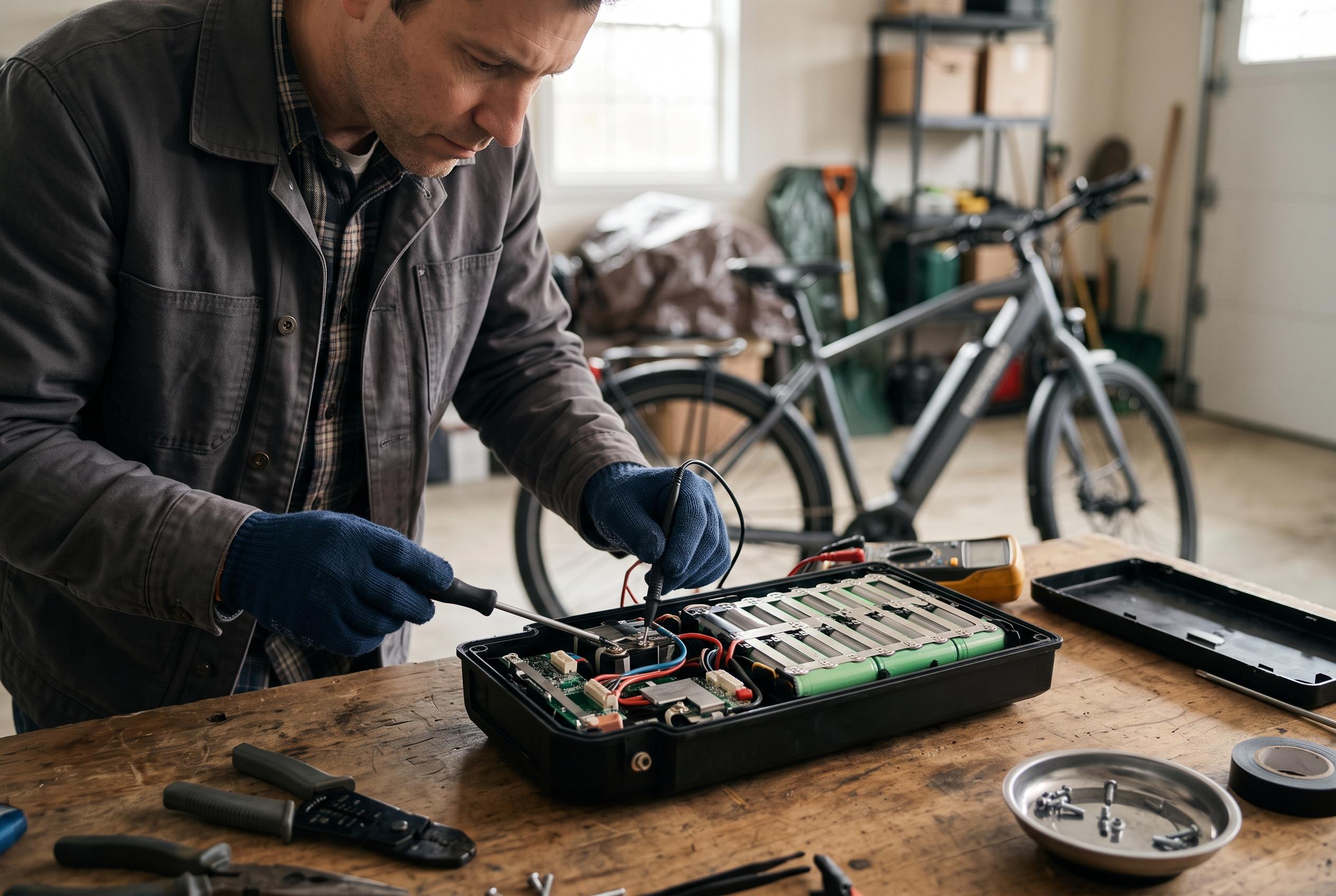
Before any recovery attempt, the battery should be removed from the bike, examined for cracks, swelling, corrosion or bent pins, and left disconnected for long enough to clear temporary protection states. That approach is consistent with guidance from Himiway, Bike Adventurous and EBikeFaults, which all advise a slow, methodical check of the battery terminals, charger and port before assuming the pack has failed.
A charger that shows a green light does not necessarily mean the battery is full. It often means the charger is powered but not seeing a load. The problem may be a blown fuse, a damaged charge port, a dead charger output stage or a battery in low-voltage protection. EBikeFaults and Himiway both recommend testing the charger with a multimeter, checking the battery fuse and confirming that the port seats properly without looseness or burn marks.
Temperature matters as well. Several repair guides note that many lithium-ion packs will refuse to charge when they are too cold or too hot, with some manufacturers placing the safe charging window between 0°C and 45°C. That means a battery taken straight from a freezing shed may appear dead until it warms to a safer range indoors.
If basic checks fail, a voltage reading can distinguish a recoverable pack from one that is likely ruined. A healthy but discharged battery should still show some terminal voltage; a reading near zero usually means the protection circuit has locked out the pack, while severe under-voltage can indicate internal cell damage. At that point, the safest route is professional repair rather than improvised jump-starting or bypassing the battery’s charging path, which Himiway and other specialists warn can create a fire risk.
In practical terms, the most reliable fix is often prevention. Store the battery partly charged, keep it dry and cool, recharge it periodically during long periods of inactivity, and inspect the contacts before each season of riding. If the battery has swelling, leakage, heat, or a persistent inability to accept charge, replacement is usually safer than repeated attempts to revive it.
Disclaimer: This content is intended for informational purposes only. Readers are advised to exercise their own judgement, conduct due diligence, or consult a qualified expert before acting on any information provided.