
LG unveils a new era of connected living at IFA 2026, focusing on contextual AI to create more coordinated, personalised, and secure smart homes through an expanded ecosystem and innovative security measures.
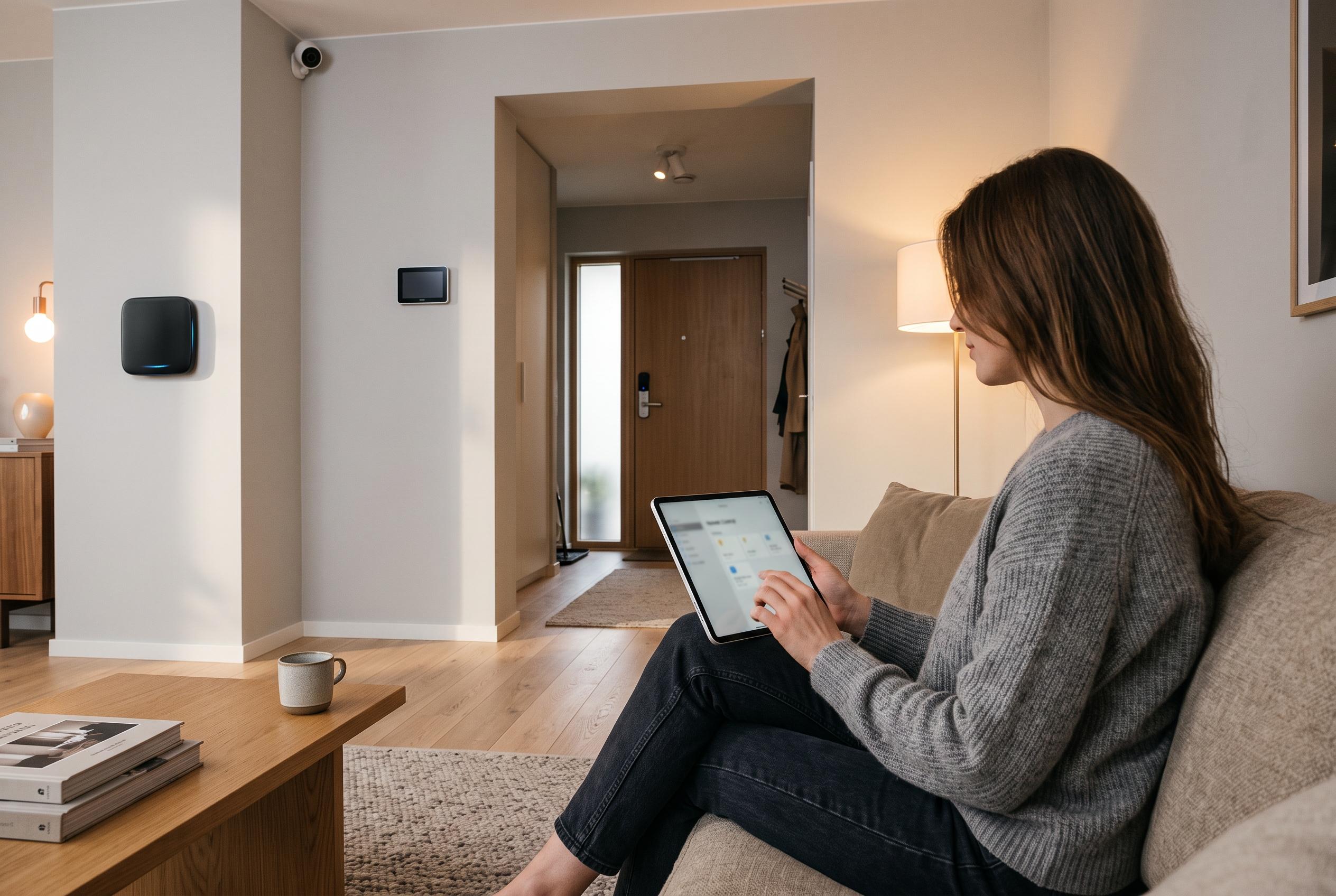
LG is using IFA 2026 in Berlin to push a broader idea of the smart home: one that responds to context rather than simply accepting commands. The company says its next phase of AI Home is built around contextual intelligence, letting connected appliances and services react to routines, preferences and household conditions in a more coordinated way. It is a shift from isolated gadgets towards a system that tries to understand what a household is doing and what it may need next. Reuters reported that LG is presenting this as an expanded ecosystem, rather than a single product line.
At the centre of the showcase is ThinQ Claw, a text-based AI agent that LG says can interpret intent and situation, not just keywords. The company says it is meant to help with everyday tasks by drawing on wider context, such as schedules, home conditions and connected services. In practice, that could mean a user asking for help with dinner preparation, or prompting the system to check air quality and temperature before someone returns home. LG said in its announcement that the aim is a more personalised and streamlined daily experience.
LG is also extending the same logic to energy management. At IFA, it is showing a system that links smart meters, solar panels, home batteries and electric vehicle chargers with appliances, so households can see and coordinate generation, storage and consumption in one place. The company says this is intended to make energy use more manageable, especially for homes with solar or storage, but also to give other households clearer visibility into consumption patterns. The wider pitch reflects a growing industry emphasis on efficiency as much as convenience.
Security is a more serious part of that proposition. The more a home learns about routines and occupancy, the more sensitive the data it handles becomes. LG says its Shield framework is designed to protect connected appliances, services and customer data across the AI Home ecosystem. The company is making a similar security argument for its 2026 AI television line-up, where it says LG Shield is built around seven core security technologies.
The company is also using the event to show how the same platform could scale beyond private homes. LG ThinQ Pro, making its European debut at IFA 2026, is aimed at shared residential and commercial settings, where device and facility management matter as much as household convenience. That broader framing suggests LG sees AI not as a feature attached to a single appliance, but as infrastructure for managing spaces, energy and services across different property types.
For LG, the commercial message is clear: the next generation of smart home technology is less about adding more connected objects and more about making those objects behave as part of one system. The company’s own description of the AI Home strategy points to a home that can infer context, reduce manual control and take care of routine decisions quietly in the background. Whether consumers see that as genuinely useful will depend on how reliably the system works, and how much trust they place in the data it uses. But the direction is unmistakable: LG wants the smart home to feel less like a collection of devices and more like an organised environment.
Disclaimer: This content is intended for informational purposes only. Readers are advised to exercise their own judgement, conduct due diligence, or consult a qualified expert before acting on any information provided.