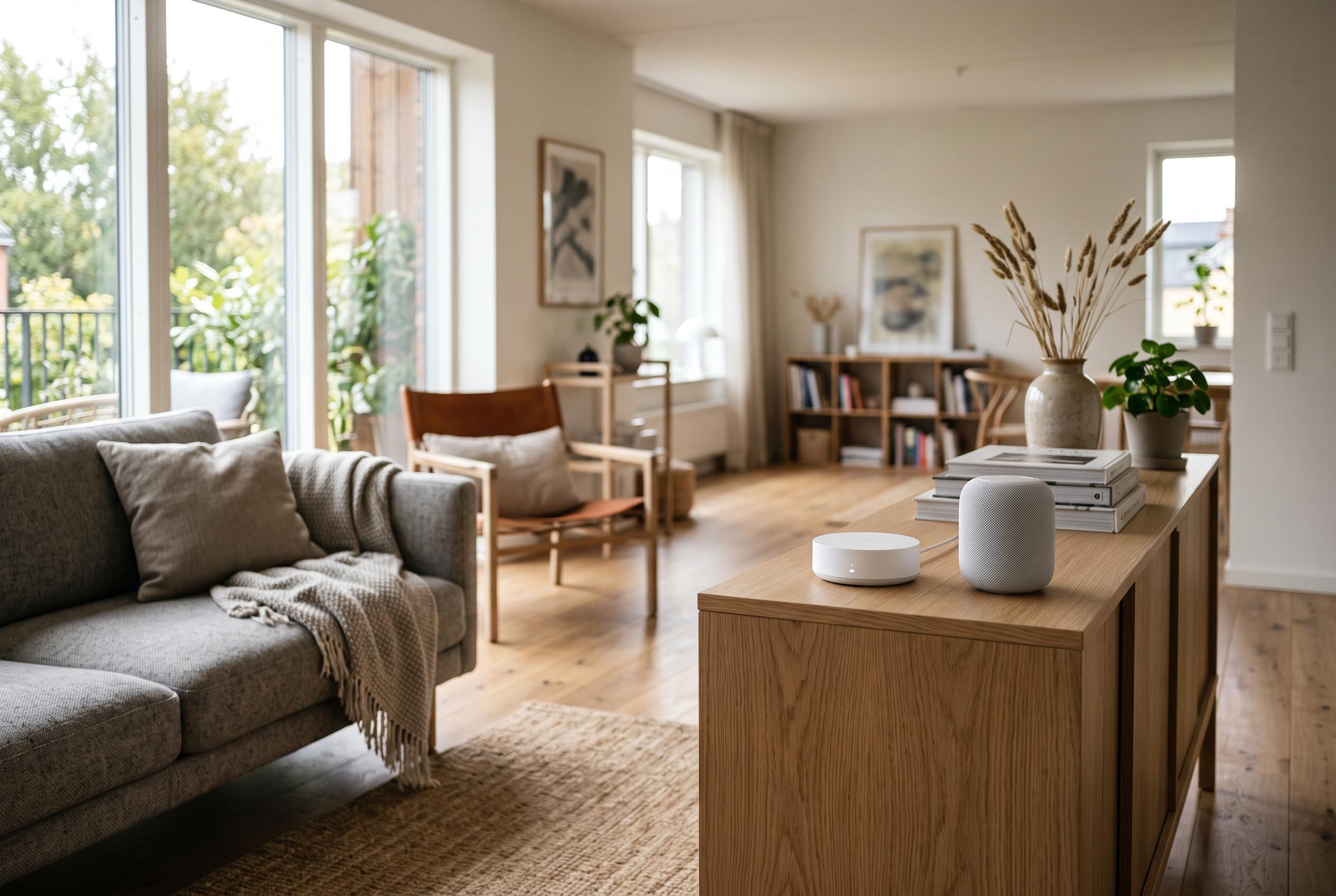

IKEA is shifting towards a more open and accessible smart home ecosystem by launching over 20 Matter-over-Thread products in 2026, promising easier integration and cost-effective automation for households.
IKEA is moving its smart home range towards a simpler, more open model that should appeal to Apple Home users looking for low-cost automation. The company’s newer accessories are designed around Matter and Thread, which means many of them can connect directly to Apple Home with a Thread border router such as an Apple TV 4K or HomePod, rather than relying on IKEA’s Dirigera hub. That removes one layer of hardware from the setup and makes the system easier to expand.
The bigger change is still ahead. IKEA has said it will refresh its smart home line-up with more than 20 Matter-over-Thread products from January 2026, including lights, sensors, remotes and plugs. According to reporting by MacRumors and iDownloadBlog, the plan is for these products to work natively with Apple Home, Amazon Alexa, Google Home and Samsung SmartThings, while keeping prices close to IKEA’s current budget level. That would strengthen IKEA’s position as one of the more affordable ways to build a mixed-platform smart home.
Current products already show the direction of travel. IKEA’s KAJPLATS bulbs, TIMMERFLOTTE temperature and humidity sensor, MYGGBETT door and window sensor, MIG motion sensor and GRILLPLATS smart plug are all aimed at practical automation rather than premium features. In simple terms, they cover the basics: lighting control, occupancy detection, environmental monitoring and appliance switching. For many households, that is enough to automate a room without paying the usual premium associated with bigger smart lighting brands.
Price remains IKEA’s main advantage. Entry-level bulbs and sensors are far cheaper than many competing products, which lowers the cost of experimenting with automation or scaling it across a home. The trade-off is reliability. Some users have reported setup and connectivity problems with the newest Matter-enabled devices, and that has led to comparisons with Philips Hue, which is generally considered more consistent but much more expensive. Even so, as Matter matures and firmware support improves, IKEA’s approach could become one of the most practical options for users who want broad compatibility without committing to a costly ecosystem.
Disclaimer: This content is intended for informational purposes only. Readers are advised to exercise their own judgement, conduct due diligence, or consult a qualified expert before acting on any information provided.