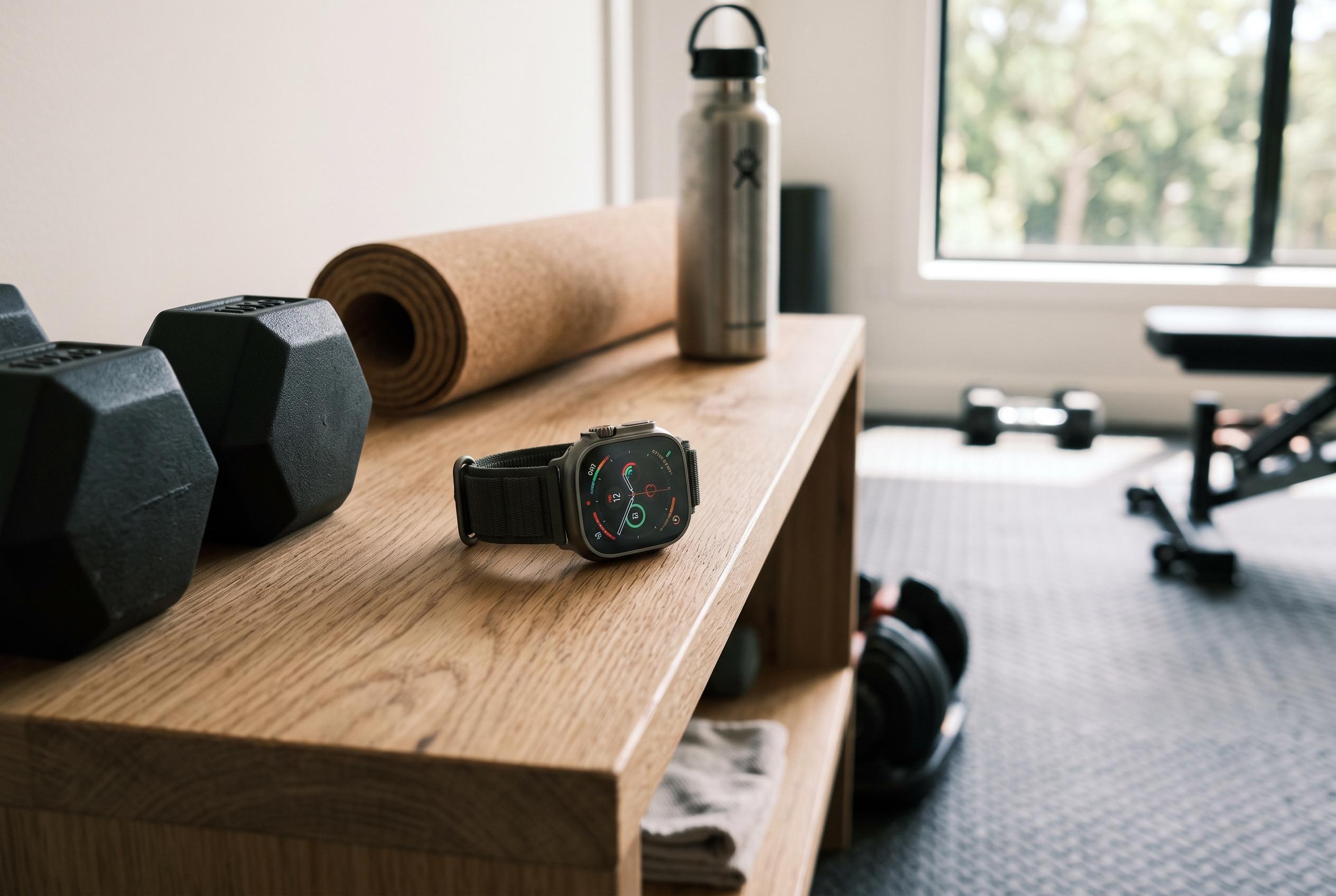

Apple’s latest watch update emphasises health monitoring and fitness recovery, introducing advanced heart-sensing technology and new software features, signalling a shift towards health-centric wearables.
Apple has used this year’s watch update to push harder into health tracking rather than redesign. The Apple Watch Series 12 and Ultra 4 keep the same external shape, but both models introduce a redesigned heart-sensing system that sits at the centre of the update. Apple says the new hardware enables heart-rate readings every five seconds in the background and heart-rate variability sampling every five minutes, day and night, giving the watches a much denser stream of physiological data than before.
That extra data feeds a new Readiness feature, which combines recent activity, training load, vital signs and sleep into a daily score with guidance on whether the user should push harder or take it easier. Apple is positioning it as a broader recovery tool rather than a simple fitness metric. The company’s own research, conducted in July and August 2026 with 1,460 participants, also claimed the Series 12 was the most accurate device in a test set that included several recent wearables and a Polar H10 chest strap as the reference standard.
The wider industry has already moved in this direction. Recovery scores and higher-frequency heart-rate variability tracking have been common on some Garmin watches, WHOOP bands and Oura rings for some time. Apple’s change is less about inventing a new category than about bringing the Apple Watch closer to the expectations set by those rivals. The important shift is that Apple is now using its hardware more aggressively across the full day, not only overnight.
Apple is also widening the software layer around those measurements. According to the company’s specifications, the Series 12 runs on the S11 chip and adds audio-focused intelligence features such as Live Rewind, Siri Recap, Shazam and Sound Recognition. MacRumors reported that both the Series 12 and Ultra 4 carry 4GB of RAM, double last year’s level, which should help support the new on-device features. Apple says Live Rewind can transcribe the last 15 seconds of a conversation after a double press of the Digital Crown, while Siri Recap can summarise the main points of an exchange.
Battery life has improved in practical terms, even if Apple is not promising dramatic changes on paper. The Series 12 is still rated for 24 hours of normal use, but Apple now claims up to 10 hours of outdoor workout tracking and as much as 12 hours of use from a 15-minute charge. The Ultra 4 extends normal endurance to 50 hours and rises to 84 hours in low-power mode, with separate settings for long GPS-heavy sessions and even longer runs, hikes and walks. Apple has also switched the aluminium models to Ceramic Shield 2, which it says is far more crack-resistant than the previous Ion-X glass.
Material choices remain a key part of the pitch. The Series 12 comes in aluminium, titanium and a revived ceramic option, while the Ultra 4 stays with titanium. Apple has also added new strap and finish options, including updated Trail and Alpine loops and a translucent Ocean Band. Pricing starts at €449 for the aluminium Series 12 and €899 for the Ultra 4, while the ceramic Series 12 sits at the top of the range at €1,049. The Apple Watch SE 3 remains on sale, but the main message of this launch is clear: Apple is making the watch less about appearance and more about health data, recovery and on-device intelligence.
Disclaimer: This content is intended for informational purposes only. Readers are advised to exercise their own judgement, conduct due diligence, or consult a qualified expert before acting on any information provided.