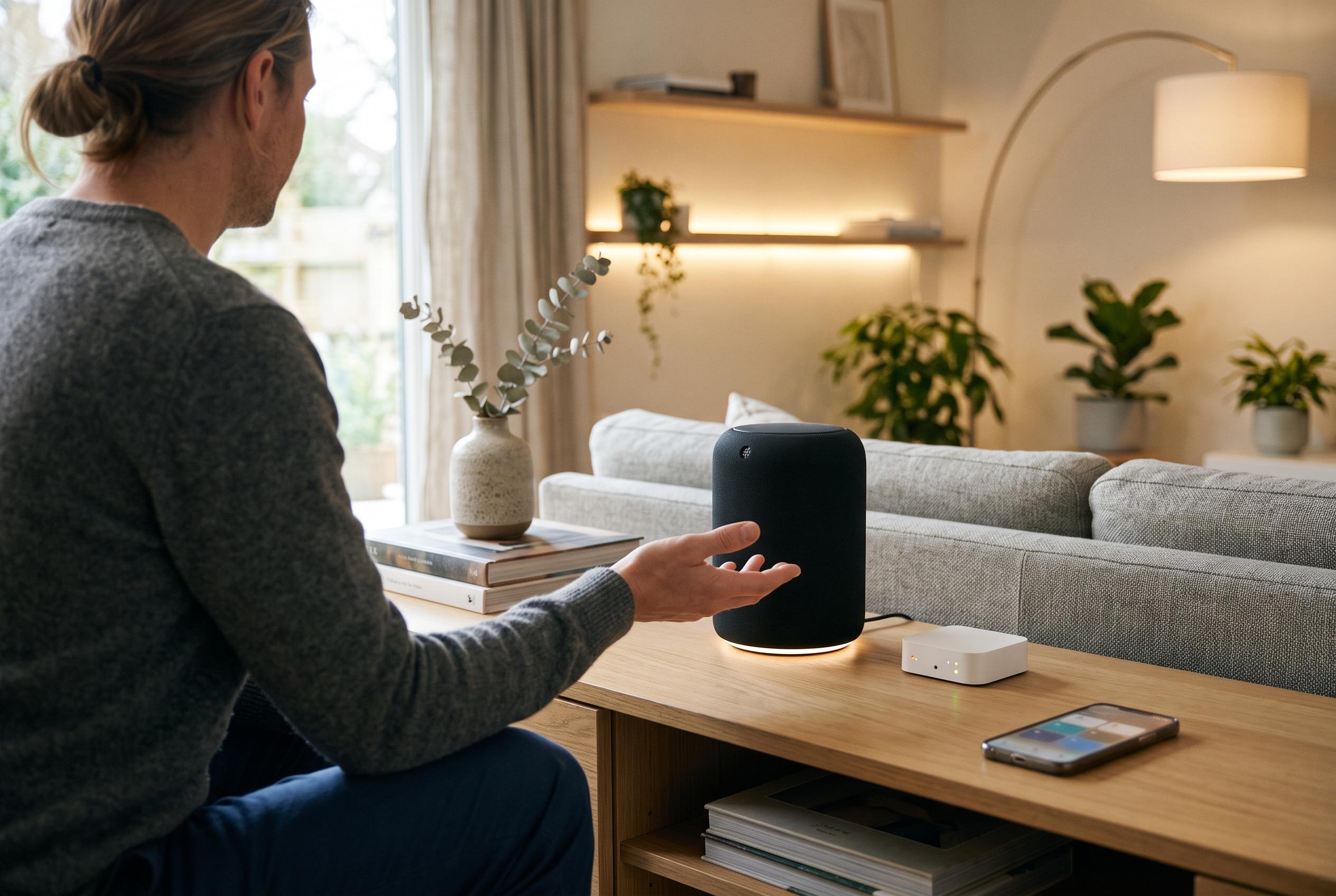

Sonos and Homey are leveraging the Model Context Protocol to embed ChatGPT into their platforms, creating a unified, natural language control layer for audio and home automation that reduces friction and enhances user experience.
ChatGPT is moving closer to becoming a practical control layer for the connected home, with Sonos and Homey both using the Model Context Protocol to turn ordinary language into actions. The result is a more direct way to manage speakers, music and automation without bouncing between separate apps or menus.
According to Sonos support documentation, Sonos 27mcp is a connector that lets AI assistants such as ChatGPT, Claude and Gemini control a Sonos system through natural language once the user has authorised access. The company says the service is available in US English and is set up by registering the Sonos MCP server with the assistant. In practice, that means a user can ask for music in a room, move audio between spaces or check what is playing without leaving the chat. Sonos has positioned the feature as part of an early access rollout, so the experience may continue to change.
The wider Sonos software overhaul goes further than chatbot control. Tom’s Guide reported that Sonos 27 also brings Sonos 27voice, a proprietary assistant for music and mood selection, along with Custom Agents for personalised AI behaviour. What Sonos is trying to do is shift its software from a simple speaker companion into a more complete audio operating system. That broader strategy was reinforced by What Hi-Fi?, which reported that the company now plans annual software updates and is presenting the platform as a long-term ecosystem rather than a one-off app refresh.
Homey is following a similar path in home automation. Its support pages say the Homey app can now be connected to ChatGPT in one click, or through a manual MCP setup for advanced users. Once linked, ChatGPT can check device status, control appliances, rename devices, start and update Flows, and adjust Moods. Homey also says the system supports Homey Cloud, Homey Pro, Homey Pro Mini and self-hosted servers, while retaining its original MCP route for users who prefer alternatives such as Claude. T3 has also reported that Homey is extending its smart-home control into televisions and browsers, turning existing screens into hubs rather than requiring dedicated panels.
The pattern is clear: the interface is becoming less visible, and the command becomes the interface. For speakers, that means multi-room audio and voice control through a chatbot. For home automation, it means rules and device management expressed in plain language. The practical value is not novelty but reduction: fewer taps, fewer menus, and less friction between intent and action.
Disclaimer: This content is intended for informational purposes only. Readers are advised to exercise their own judgement, conduct due diligence, or consult a qualified expert before acting on any information provided.