
With cloud-based smart bulbs vulnerable during internet disruptions, experts advocate for local control options like Zigbee, Matter, and smart switches to ensure lighting remains functional without reliance on cloud services.
Smart bulbs are convenient until the connection they depend on disappears. When an internet outage hits, cloud-led systems can lose app control, voice commands and some automations at once. The practical fix is to reduce how much of the lighting stack has to travel through a vendor’s servers in the first place.
One straightforward step is to choose devices built for local control. Home Assistant says it is designed to run on your own hardware and can keep working without internet access, provided the devices involved use local protocols such as Zigbee, Z-Wave, Matter, Thread or ESPHome. That matters because cloud-only bulbs cannot be reached when the network is down, even if the rest of the home is still functioning. A growing number of smart-home platforms now support Matter devices locally, which means basic commands can be handled inside the home rather than sent out to the cloud first. Home Assistant and other guides also note that Matter’s local operation is one of the clearest ways to keep lighting responsive during an outage.
Another option is to move lighting automations onto a local hub such as Home Assistant. The platform can run on small, low-power hardware, including a Raspberry Pi, old laptop or mini-PC, and it can centralise devices from several ecosystems at once. That gives households a single local control layer, rather than depending on Alexa or Google Home for every routine. In practice, that means schedules, scenes and simple on-and-off actions can continue even if the home loses internet access, so long as the underlying devices are not cloud-dependent.
For the lights themselves, Zigbee remains one of the most resilient choices. Because Zigbee bulbs form their own mesh network, they can communicate locally with a coordinator or hub instead of relying on Wi-Fi and remote servers. Home Assistant says that means the bulbs can keep responding even if the router fails, as long as the local hub remains available. Some Philips Hue features still lean on cloud services, but the core lighting controls can stay local, and Home Assistant can also talk directly to Hue gear through local integrations or Zigbee2MQTT with suitable hardware.
A further safeguard is Zigbee binding. This lets a remote or smart button be linked directly to a specific bulb, so the command travels straight to the light rather than being routed through the whole hub stack. If the Home Assistant server is offline or the coordinator is disconnected, supported bindings can still let a button switch a light on or off. That makes the setup more fault-tolerant than app-only control, particularly for rooms where instant manual control matters.
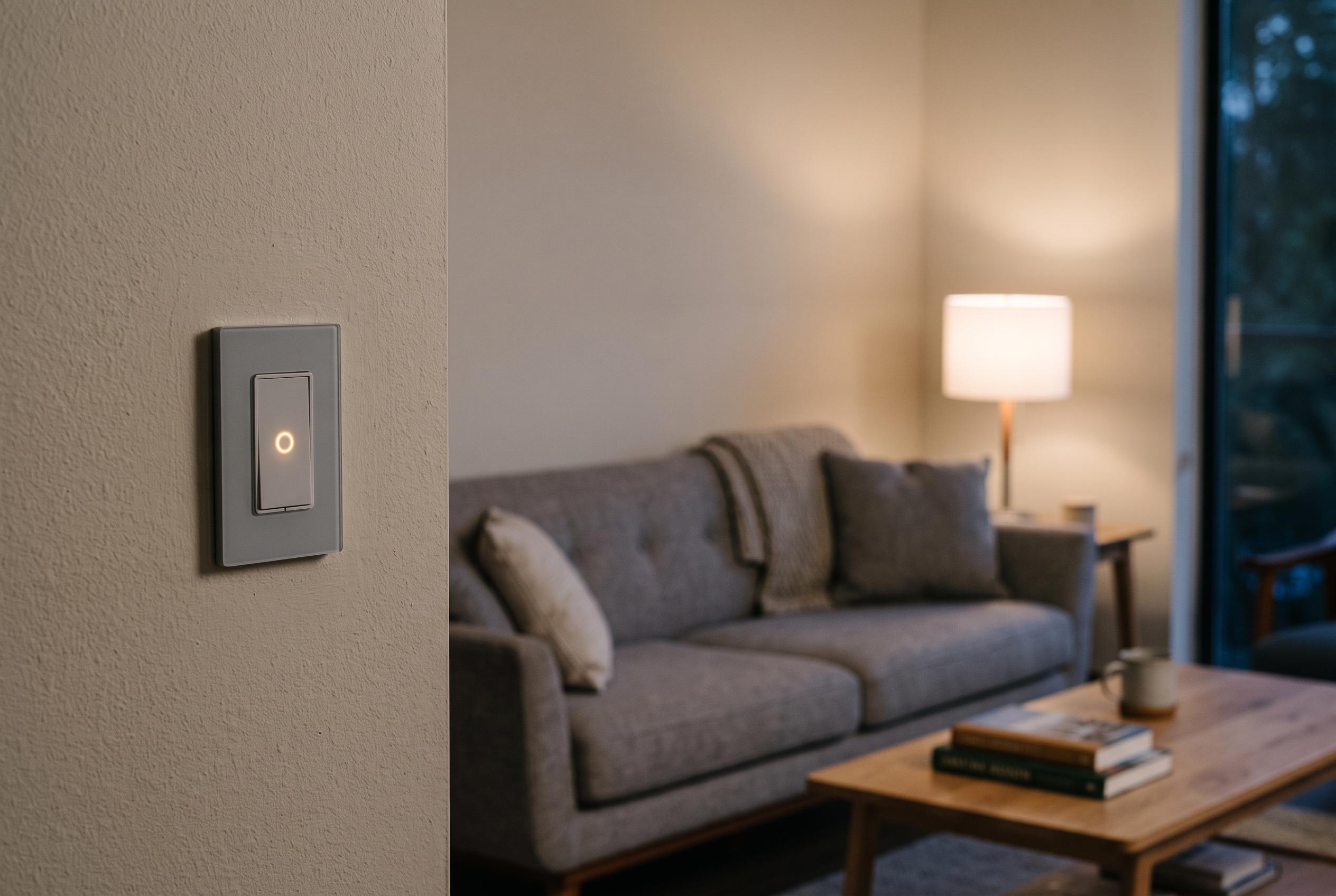
For many households, though, the most robust answer is the simplest: use smart switches and standard bulbs. Unlike smart bulbs, a switch can still be operated manually when the internet is down, and the wall control remains familiar to everyone in the house. It is also a cleaner solution if you do not want to worry about what happens when a smart bulb is powered off at the switch. Cloud-based lighting is convenient, but it can fail in outages and can also become unusable if a manufacturer ends support. Local control is less flashy, but it is far more dependable.
Disclaimer: This content is intended for informational purposes only. Readers are advised to exercise their own judgement, conduct due diligence, or consult a qualified expert before acting on any information provided.