
Garmin’s screen-free Cirqa wearable impresses with its comfort and discreetness during the demanding IFA trade-show, but struggles with accuracy when tracking urban activities reliant on phone-linked location data.
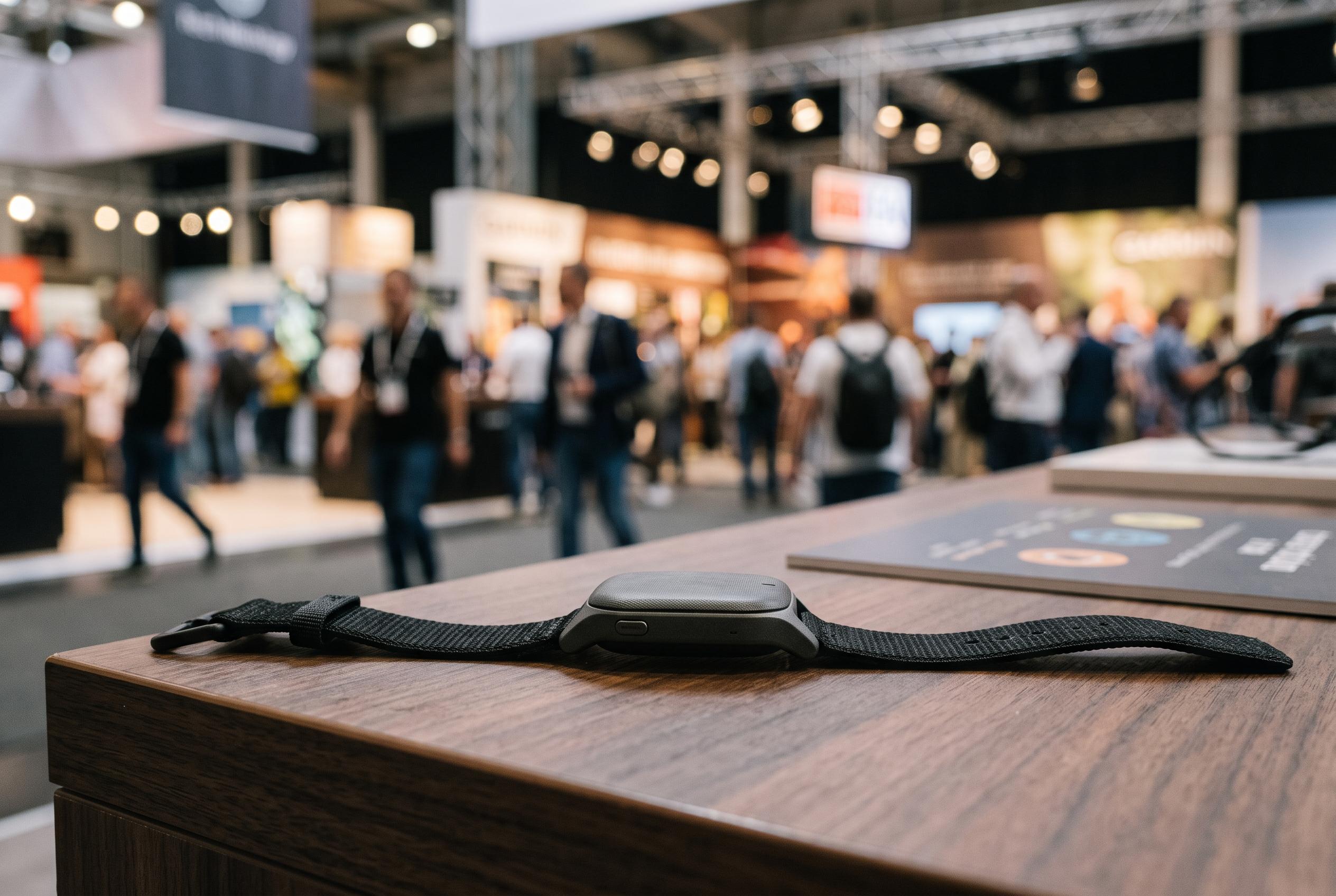
At IFA 2026 in Berlin, Garmin’s screen-free Cirqa proved to be an unobtrusive companion for a long, crowded trade-show walk, even if its handling of the data was not always convincing. Over two days at the Berlin Messe, the tracker logged almost 29,000 steps, giving a useful look at how the device performs in one of the most demanding real-world settings for a wearable.
The biggest surprise was how much ground the show required. On the first day alone, the author recorded 17,902 steps, which was more than any single day of coverage at Mobile World Congress in Barcelona earlier in the year. That figure also fell short of the most punishing day at CES in Las Vegas, where the same reporter logged 20,253 steps, but it still underlined how expansive IFA’s venue can feel once visitors start moving between halls, meetings and hidden corridors.
Context from other hands-on coverage at IFA suggests Garmin is pitching the Cirqa into a competitive but crowded segment of wearable tech. The device sits alongside products such as the screenless Luna Band, the subscription-free Circular Ring 3 and Motorola’s LTE-enabled Moto Watch Ultra, all of which were among the more notable wearables shown in Berlin. That wider field matters because Garmin is not just selling hardware here; it is selling simplicity, long battery life and discreet health tracking in a market where many rivals lean on subscriptions or more complex interfaces.
Accuracy, though, is where the Cirqa showed its limits in this test. The reporter started a walking workout before leaving the hotel, then took Berlin’s U-Bahn to the fairground, and Garmin appears to have treated that rail journey as brisk walking. The result was an implausibly fast average pace and a distance total that did not match the step count in a sensible way. That is consistent with the device’s reliance on phone-linked location data rather than built-in GPS, a point TechRadar also notes in its separate review of the Cirqa.
Even so, the physical experience of wearing it was largely positive. The Cirqa was described as light, comfortable and easy to forget during a long day, which is exactly the sort of quality many users want from a tracker meant to disappear into the background. TechRadar says it also offers Garmin’s usual mix of heart-rate, stress and recovery metrics, while Tom’s Guide’s earlier hands-on suggested it lands between entry-level bands such as Fitbit Air and more serious subscriptions such as Whoop. For buyers who want a low-profile device and can live with phone-assisted GPS, that balance may be enough. For anyone who needs cleaner pace and distance data in a city full of trains, it may not be.
Disclaimer: This content is intended for informational purposes only. Readers are advised to exercise their own judgement, conduct due diligence, or consult a qualified expert before acting on any information provided.