
New research indicates that popular devices like the Apple Watch and Fitbit provide limited insight into actual sleep quality, especially in individuals with insomnia or older adults, prompting caution in their use for health assessments.
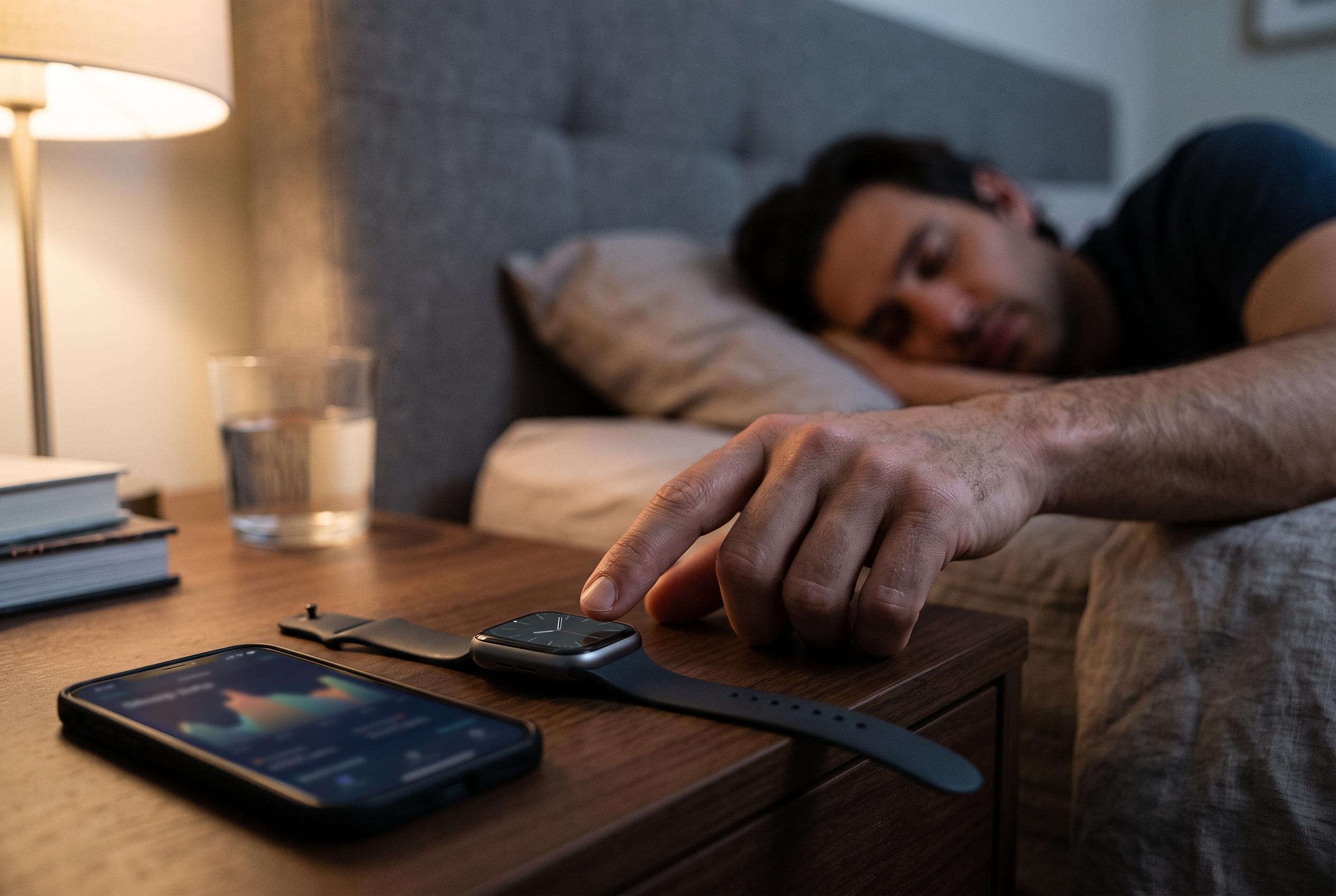
Wearable devices such as the Apple Watch and Fitbit can be useful for logging sleep duration, but new analysis suggests they are far less reliable at judging whether a person actually slept well. Researchers at Duke University reviewed five earlier studies involving about 2,000 people and found that the numbers produced by consumer sleep trackers often did not match how rested people felt the next day, especially among those with insomnia.
According to the report, the devices explained only a small share of the variation in people’s own assessment of sleep quality, roughly 2.5% to 16.2%. That gap matters because subjective sleep quality is tied to fatigue, alertness and psychological well-being in ways that movement and heart-rate data cannot fully capture. The findings were published in Sleep Medicine and summarised by Science Alert.
The review also found that tracker performance was notably weaker in older adults and in people with insomnia. In one study, Fitbit readings aligned acceptably with laboratory sleep measurements in 82% of good sleepers, but in only 39% of people with insomnia. The device also failed to register some awakenings, which led it to overestimate sleep time by around 30 minutes and sleep efficiency by 8%.
The researchers urged caution in reading too much into a wearable’s sleep score. They said that if a person feels unrefreshed despite a reassuring result, they should seek a proper medical assessment rather than assume the device has captured the full picture. They also noted that four of the five studies they examined used Fitbit devices and one used an Apple Watch, so the evidence does not yet show how well other brands perform. Separate coverage by Tom’s Guide and related testing has suggested that even newer products, including the latest Apple Watch models and the Oura Ring, remain better suited to broad wellness trends than to precise clinical measurement.
Disclaimer: This content is intended for informational purposes only. Readers are advised to exercise their own judgement, conduct due diligence, or consult a qualified expert before acting on any information provided.