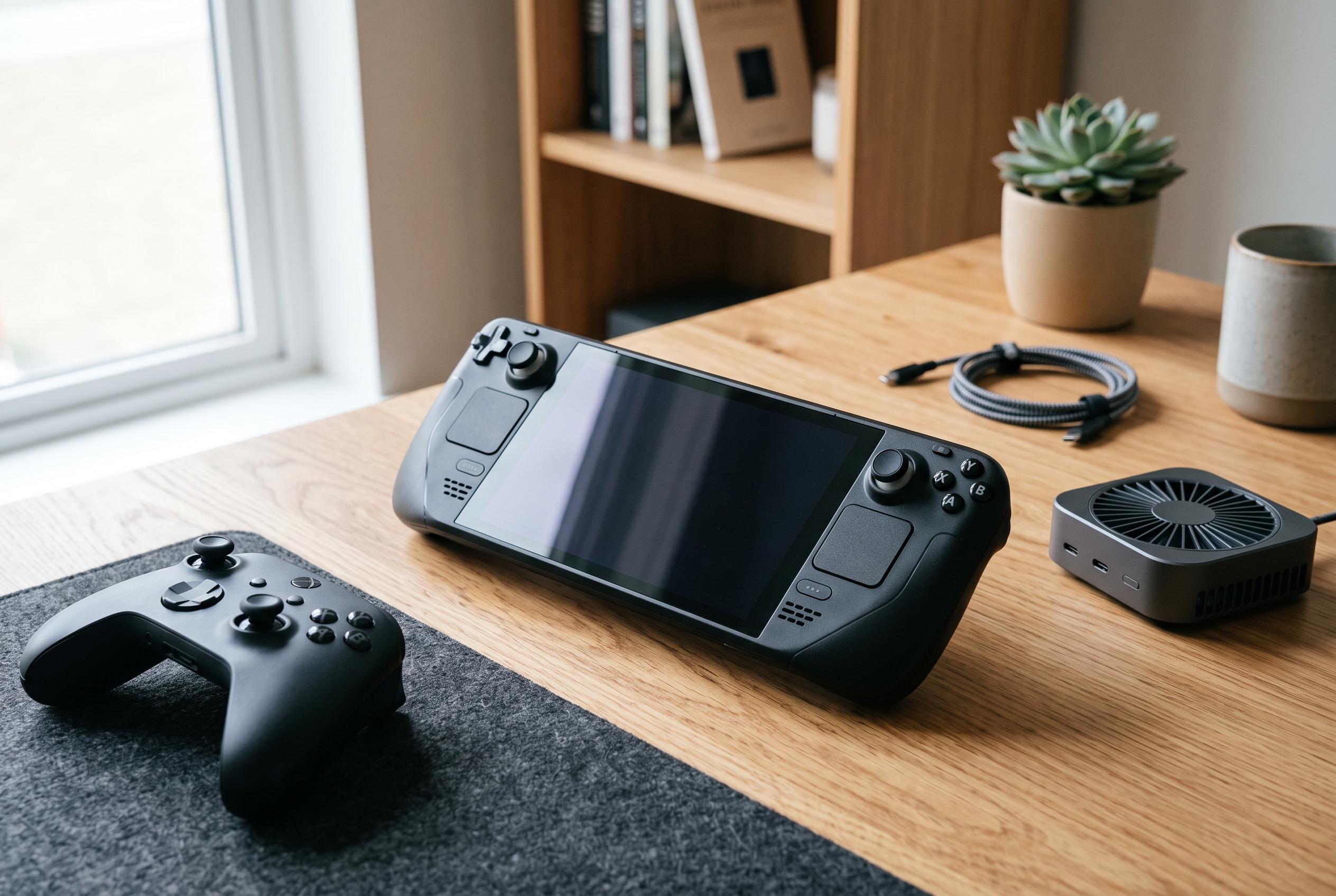

Restarting devices and improving network stability remain essential strategies for maintaining optimal performance on portable gaming PCs like the Steam Deck and Asus ROG Ally, as the market sees increased competition and diverse user needs.
A restart remains one of the most useful first checks for a gaming handheld. Devices such as the Steam Deck and Asus ROG Ally may be portable, but they are still running full desktop-class operating systems beneath the game interface. That means the familiar “turn it off and on again” approach can clear transient faults, refresh stuck processes and often resolve crashes, stutter, lag and audio glitches before more involved troubleshooting is needed.
Network performance is another common source of problems on handheld PCs. Tom’s Guide notes that users can improve Wi-Fi stability by reducing interference, eliminating dead zones with mesh networking and moving to Wi-Fi 6E or Wi-Fi 7 hardware where available. Prioritising gaming traffic at the router can also help when a handheld is competing with other devices on the same connection. In practice, that can matter as much as raw local performance when a game relies on downloads, updates or online play.
The wider handheld market shows why simple maintenance matters. Windows-based devices such as the ROG Ally have become serious rivals to the Steam Deck because they offer access to a broader range of launchers and PC games, while also depending more heavily on Windows behaviour that many users already know from laptops and desktops. That flexibility comes with trade-offs, including a less consistent interface and a greater need to manage background activity. By contrast, SteamOS is generally more focused on gaming, which is one reason many users find the Steam Deck easier to live with day to day.
There are also practical tuning steps beyond restarting and fixing Wi-Fi. Handheld gaming guides commonly recommend adjusting thermal design power settings to balance performance against battery life, especially when travelling. Docked use can also change the equation, turning a handheld into a more conventional living-room machine. The common thread is that these devices behave less like consoles than many buyers expect. Treating them as small PCs, and resetting them accordingly, is often the simplest way to keep them running well.
Disclaimer: This content is intended for informational purposes only. Readers are advised to exercise their own judgement, conduct due diligence, or consult a qualified expert before acting on any information provided.