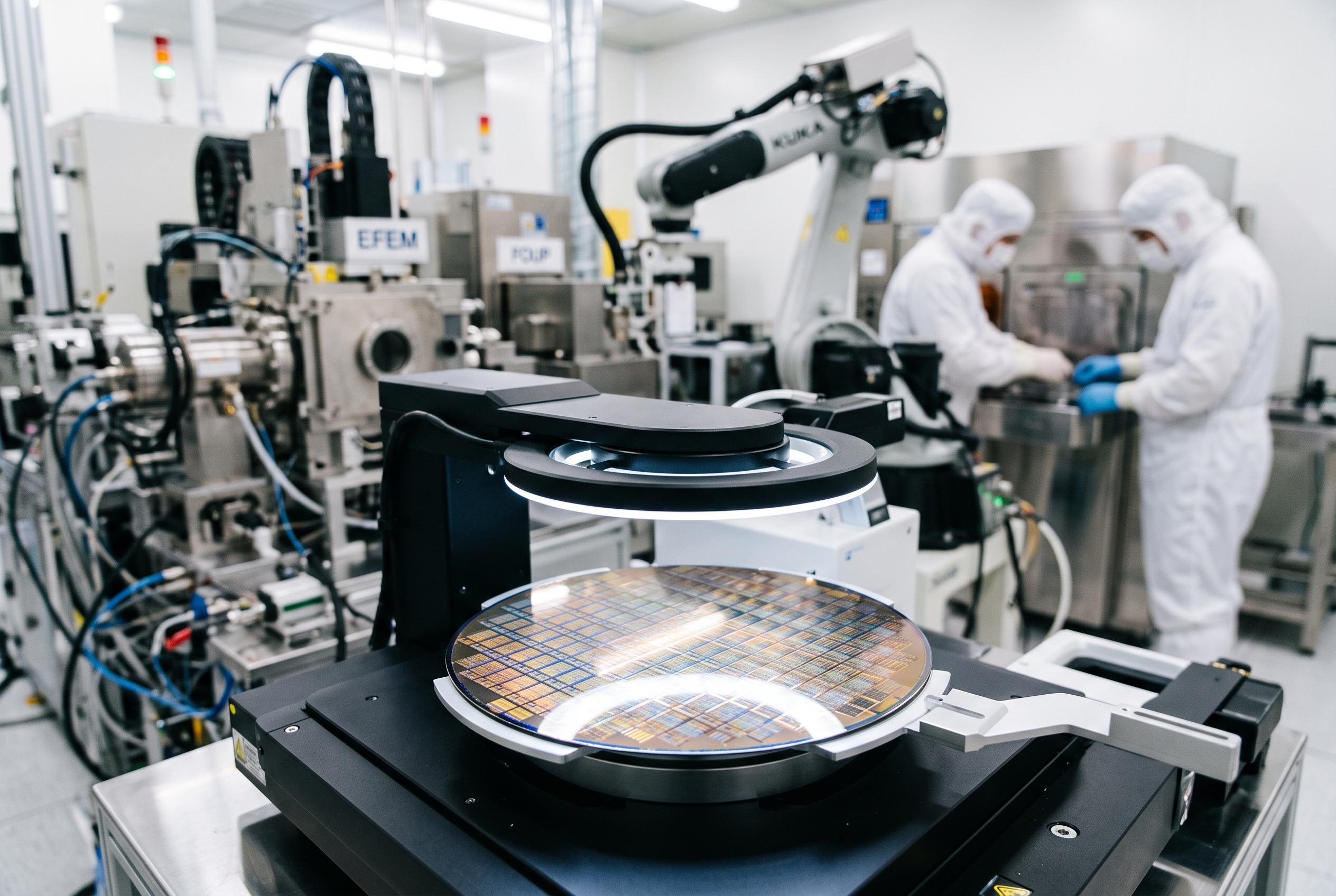

Global semiconductor revenue has surged past $425 billion in Q2 2026, marking an unprecedented growth driven by AI demand and rising memory prices, with forecasts predicting the industry will reach $1.6 trillion this year.
Global semiconductor revenue has moved into a new phase of expansion, with Omdia reporting that second-quarter 2026 sales rose above $425 billion, a record that lifted first-half revenue to $752 billion. The research firm said the market grew 31.4% quarter on quarter, the strongest sequential gain it has ever recorded, as artificial intelligence demand and firmer memory pricing continued to drive the industry. Omdia added that only a small fraction of the 97 quarters it has tracked since 2002 have delivered double-digit sequential growth, underlining how unusual the current cycle is.
Memory remains the clearest sign of that strength. Omdia said dynamic random-access memory and NAND flash are benefiting from a shift in production towards AI-related supply, tightening availability and pushing up average selling prices. Memory chips alone accounted for more than half of total semiconductor revenue in the quarter. The broader market also advanced well above normal seasonal patterns, with non-memory chips rising more than 10% quarter on quarter, compared with a typical second-quarter gain of just over 3%, according to the firm’s historical data.
The rally is being echoed by other industry forecasters. Gartner said in August that worldwide semiconductor revenue is now expected to reach $1.6 trillion in 2026, up 92% from 2025, after earlier projecting more than $1.3 trillion for the year. It attributed the jump to continued investment in AI infrastructure and a stronger memory pricing cycle, while the Semiconductor Industry Association has also forecast that the market will pass $1 trillion in 2026 after a record $791.7 billion in 2025. That broader outlook suggests the current boom is not confined to one quarter, but is increasingly anchored in AI data centres and the chips needed to power them.
For the third quarter, Omdia expects revenue to move beyond $500 billion, which would take the first nine months of 2026 to more than $1.25 trillion. If that forecast is realised, the industry would already have generated around 50% more revenue than it did across the whole of 2025, a striking indication of how quickly the AI build-out and memory shortage are reshaping the semiconductor cycle.
Disclaimer: This content is intended for informational purposes only. Readers are advised to exercise their own judgement, conduct due diligence, or consult a qualified expert before acting on any information provided.