
Innovative sensor technologies are transforming pest management by providing continuous, early detection of infestations, potentially saving homeowners significant repair costs through proactive monitoring.
Smart home systems are already good at spotting small failures: a device drops off Wi-Fi, a leak sensor trips, a camera sees movement where none is expected. Pest activity often remains outside that same field of view. That matters because the early signs of termites, rodents or cockroaches are usually subtle, and by the time they are obvious, the repair bill can be far larger than the cost of prevention. In warmer, more humid parts of the United States, that risk is not seasonal. Local pest-control firms say heat and humidity can keep pressure high for much of the year, which makes continuous monitoring more useful than an annual check. [2][3]
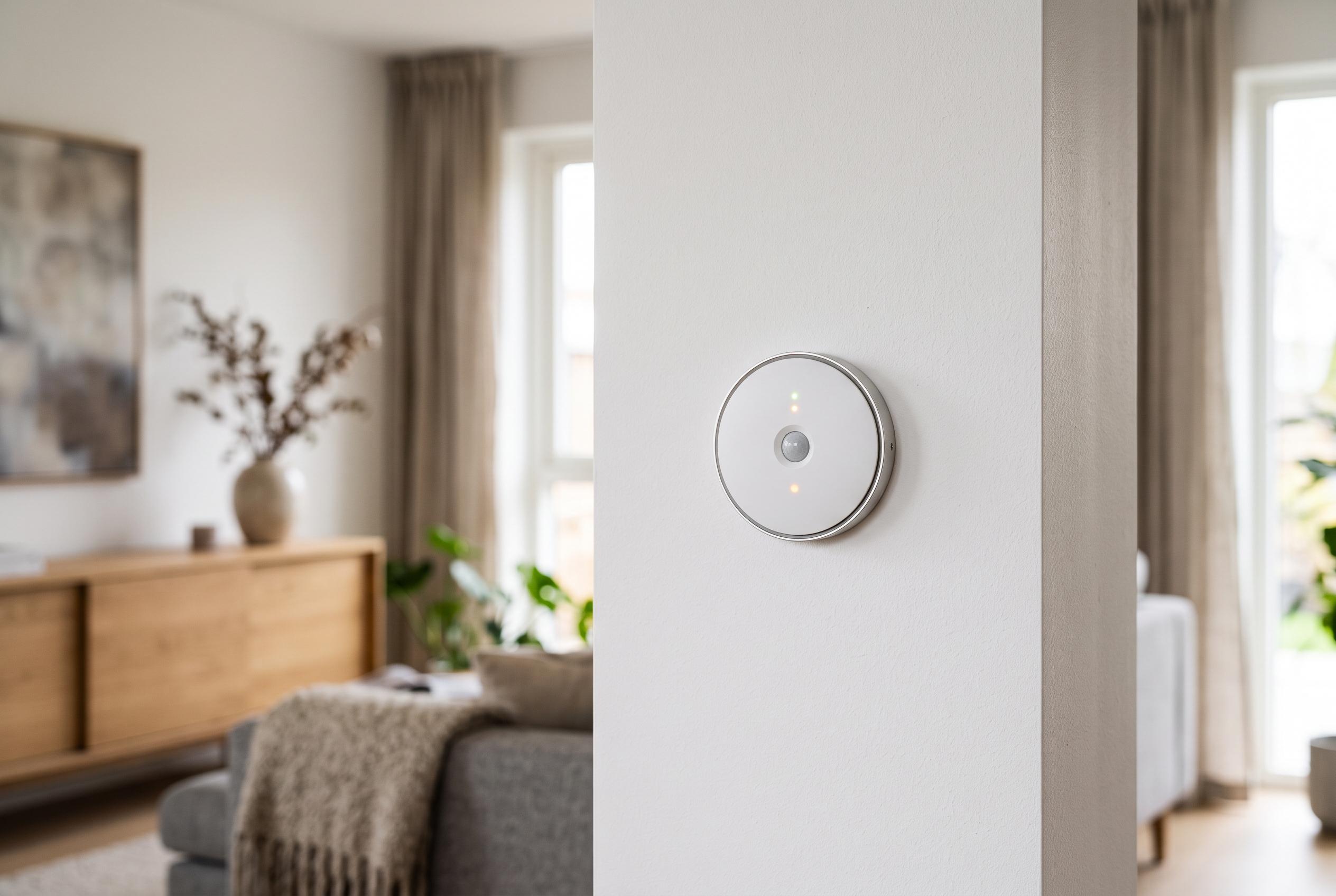
The practical case for sensor-based pest detection is straightforward. Motion detectors, especially Passive Infrared units, can register small movements near entry points or in less-used spaces. Cameras with local object recognition can help separate a mouse from a shadow. Acoustic and vibration sensors may pick up faint activity inside walls before a homeowner notices visible damage. TechTimes reported that PIR sensors, long used for security, can be sensitive enough to detect cockroach movement, while other industry pieces argue that image recognition and connected monitoring can extend that detection to a wider set of pests. [2][3][4]
Moisture sensors are often the most valuable starting point. Damp wood, standing water and hidden leaks create the conditions many pests prefer, so a water sensor under a sink or near a heater can act as an indirect warning system as well as a plumbing safeguard. That is why many smart-home platforms, including Home Assistant, are well suited to this job: they already support the same mix of leak sensors, cameras and motion detectors needed for a basic early-warning setup. The point is not to build a separate pest system, but to fold pest monitoring into the automations already watching the home. [1][5]
The financial argument is strong. According to the National Pest Management Association, termites cause about $6.8 billion in property damage in the United States each year, and standard homeowners policies generally do not cover that loss. The same research suggests many owners still underestimate the threat: 58% know termites can damage a structure, but only 36% say they are familiar with common warning signs. That gap explains why sensor coverage can add real value. It does not need to replace an inspector; it only needs to surface a problem sooner. [1]
Recent coverage of so-called smart pest control points in the same direction. Industry write-ups describe IoT systems that combine motion sensing, cameras and environmental data to flag infestations earlier than traditional inspections. Some now add AI-driven image analysis or connected traps to sharpen identification and reduce false alarms. Even so, other reports are clear that these tools have limits: they can deter some pests or reveal activity, but they do not remove a colony, seal an entry point or repair structural damage. That still requires a professional inspection and treatment plan. [3][4][6][7]
For homeowners, the best approach is modest and layered. Start with the sensors already in place for security and water protection, then add coverage to attics, crawl spaces, utility rooms and other low-traffic areas. A repurposed camera aimed at an access hatch, a leak sensor near vulnerable wood, and a motion alert in a space that should stay empty overnight can close much of the gap. Used that way, smart-home hardware becomes a detection system for a problem that is usually left to chance.
Disclaimer: This content is intended for informational purposes only. Readers are advised to exercise their own judgement, conduct due diligence, or consult a qualified expert before acting on any information provided.