
The Nubia NaviX Ultra, developed with ZTE and ByteDance, introduces an innovative AI-powered experience to the mainstream market, featuring a dedicated AI button, advanced hardware, and on-device intelligence, signalling a shift towards autonomous mobile assistants.
Nubia has moved its NaviX Ultra into the spotlight as what it says is the world’s first AI-agent smartphone, pairing a new Doubao mobile assistant with hardware that is unusually ambitious for a mainstream handset. According to Gizmochina, the phone is due to go on sale in China on 16 September 2026, with pre-orders already open through several retail channels, while Notebookcheck reported that pricing details were still not confirmed at the time of its coverage.
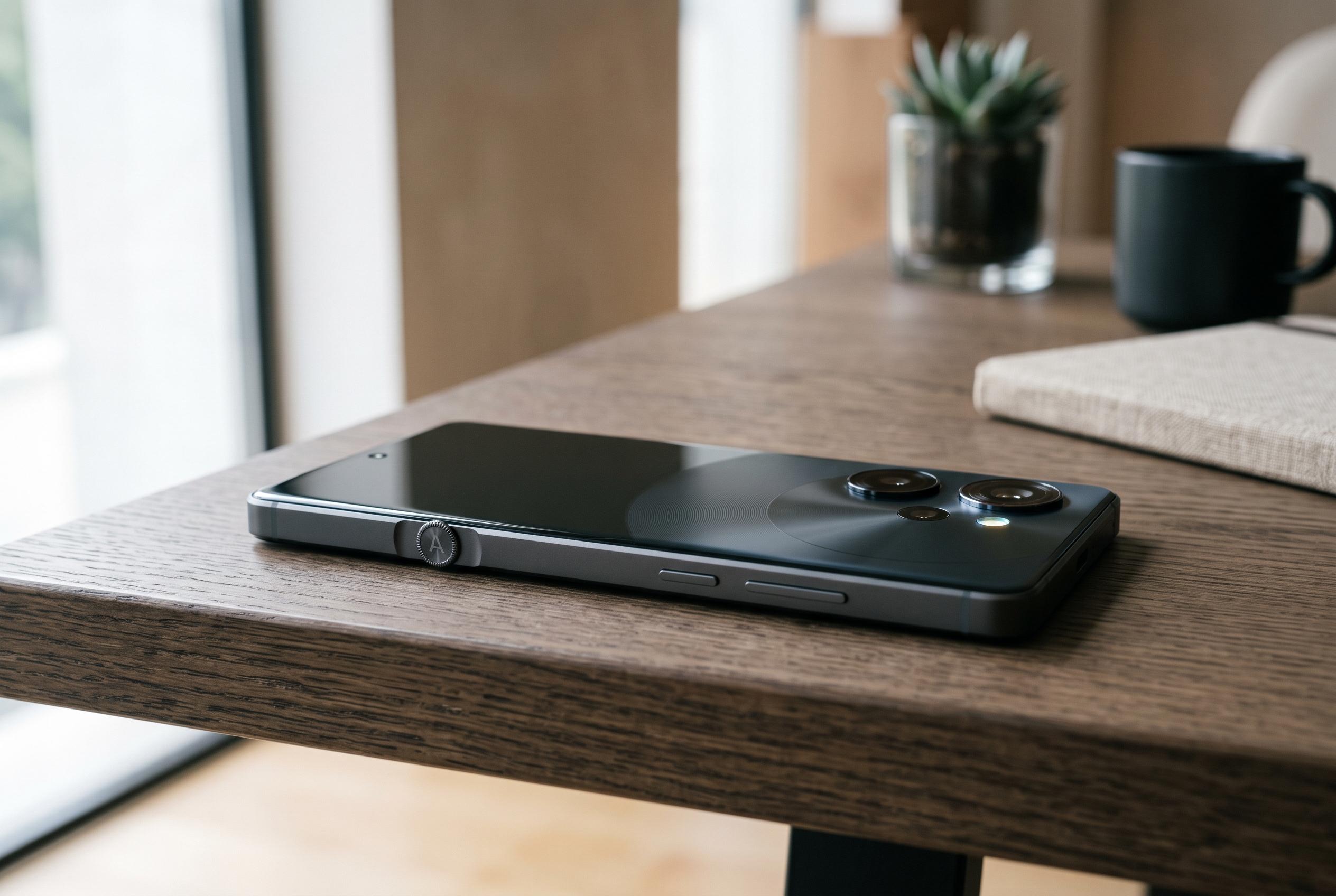
The device is being developed jointly by ZTE and ByteDance, and the key software pitch is that Doubao is more than a conventional voice assistant. Nubia says the system can understand requests, carry out tasks, retain information and provide security functions, with an interface designed for direct, on-device interaction rather than simple cloud-based prompts. The company has also added a dedicated AI button that combines quick access to the assistant with fingerprint recognition, allowing users to invoke commands and authenticate themselves through a single control.
On the hardware side, the NaviX Ultra is built around Qualcomm’s Snapdragon 8 Elite Gen 5 platform and is said to be the first mass-market phone to use Changxin LPDDR5X memory rated at 10,667 Mbit/s. IXBT News reported that Changxin Memory views the handset as a sign that domestically produced mobile DRAM at that speed has now reached commercial use. The phone is also fitted with 512GB of flash storage, a 7,100mAh fifth-generation Nanhai battery and a triple-camera array led by a 200-megapixel main sensor.
The rest of the specification sheet places the NaviX Ultra firmly in flagship territory. Gizmochina’s leaked details pointed to a 6.78-inch flat display with 1.5K resolution and a 144Hz refresh rate, matching the later launch information. Nubia also says the handset uses its Galaxy Cooling System, with 3D ventilation and a heat-dissipation area of 7,100mm², and lists BOE, Samsung Semiconductor and Goodix Technology among the project’s partners. The result is a device that appears intended to showcase both Chinese component supply chains and a broader shift towards more autonomous, assistant-led smartphone use.
Disclaimer: This content is intended for informational purposes only. Readers are advised to exercise their own judgement, conduct due diligence, or consult a qualified expert before acting on any information provided.