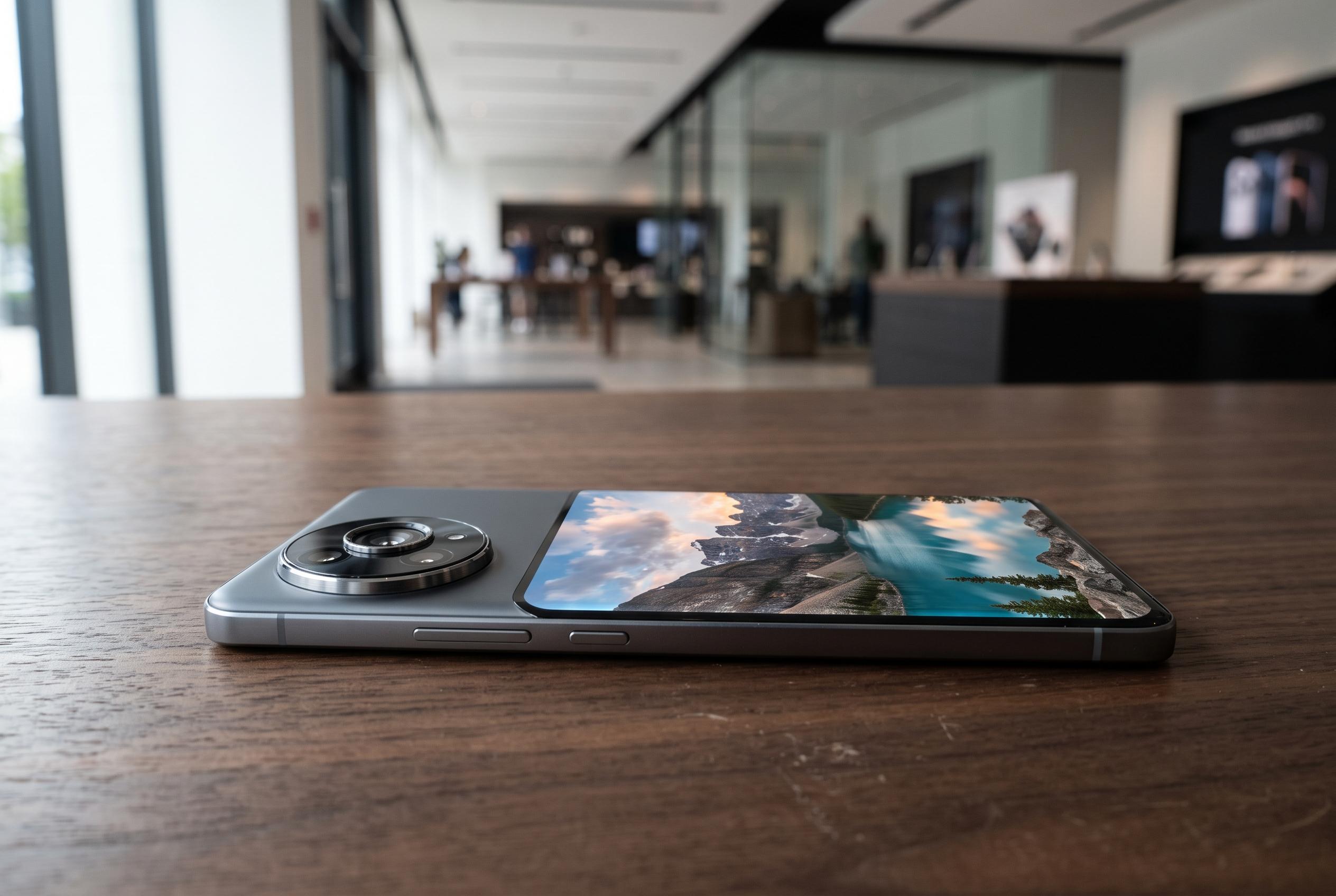

Apple’s latest iPhone range expands with the introduction of two iPhone 18 Pro models featuring a novel variable-aperture main camera and the powerful A20 Pro chip, redefining smartphone photography and capabilities.
Apple’s latest iPhone refresh has made the line-up feel both more capable and more complicated. The headline shift is the arrival of two iPhone 18 Pro models, both built around Apple’s new variable-aperture main camera and the A20 Pro chip, while the rest of the range now splits more sharply between mainstream value, outright ambition and niche design choices. According to Apple, the 18 Pro family also brings stronger battery life and faster charging, which helps explain why the Pro models now sit at the top of the buying guide.
At the premium end, the iPhone 18 Pro Max stands out as the clearest all-round choice. Apple says it offers up to 45 hours of video playback, while the smaller Pro reaches up to 36 hours. Both models use the 48MP Fusion Main camera with a variable aperture, and Apple’s Pro Controls add manual adjustment for aperture, shutter speed and white balance, alongside a live histogram. MacRumors also reports that the camera uses six laser-cut blades to alter the aperture automatically, giving the handset a level of depth-of-field control that is unusual in a phone.
That camera system is the main reason the 18 Pro models matter. Apple’s approach allows the lens to open wider in low light and stop down for scenes that need greater sharpness across the frame. The company’s own pages say the system improves detail and low-light performance, while Mac Observer notes that the handset is the first iPhone to physically vary how much light reaches the main sensor. In practical terms, this is a more meaningful photographic change than the sort of incremental sensor tuning that usually defines an annual upgrade.
For most buyers, though, the standard iPhone 17 remains the stronger value proposition. It delivers a 120Hz ProMotion display, which removes one of the biggest historical reasons to step up to a Pro model, and it still pairs that with Apple’s modern chip platform and a capable dual-camera setup. The iPhone 16 remains a credible cheaper option as well, especially for users who want a current iPhone without paying for features such as high-refresh-rate display technology or the latest camera hardware.
The more divisive models are the iPhone Duo and iPhone Air. The Duo marks Apple’s first foldable, but its price and trade-offs make it a specialist purchase rather than a mainstream recommendation. It lacks the camera flexibility of the Pro models and is aimed more at early adopters than ordinary buyers. The Air, meanwhile, is positioned around thinness, but that design priority appears to come at the expense of battery life and charging speed, which weakens its case at a premium price.
Taken together, the line-up now falls into a fairly clear order. The iPhone 18 Pro Max is the strongest choice for users who want the best hardware Apple makes, while the iPhone 18 Pro delivers the same core platform in a more manageable size. The iPhone 17 is still the best balance of price and capability, and the iPhone 16 remains the sensible budget option. The foldable Duo is the most interesting product, but not the easiest one to justify.
Disclaimer: This content is intended for informational purposes only. Readers are advised to exercise their own judgement, conduct due diligence, or consult a qualified expert before acting on any information provided.