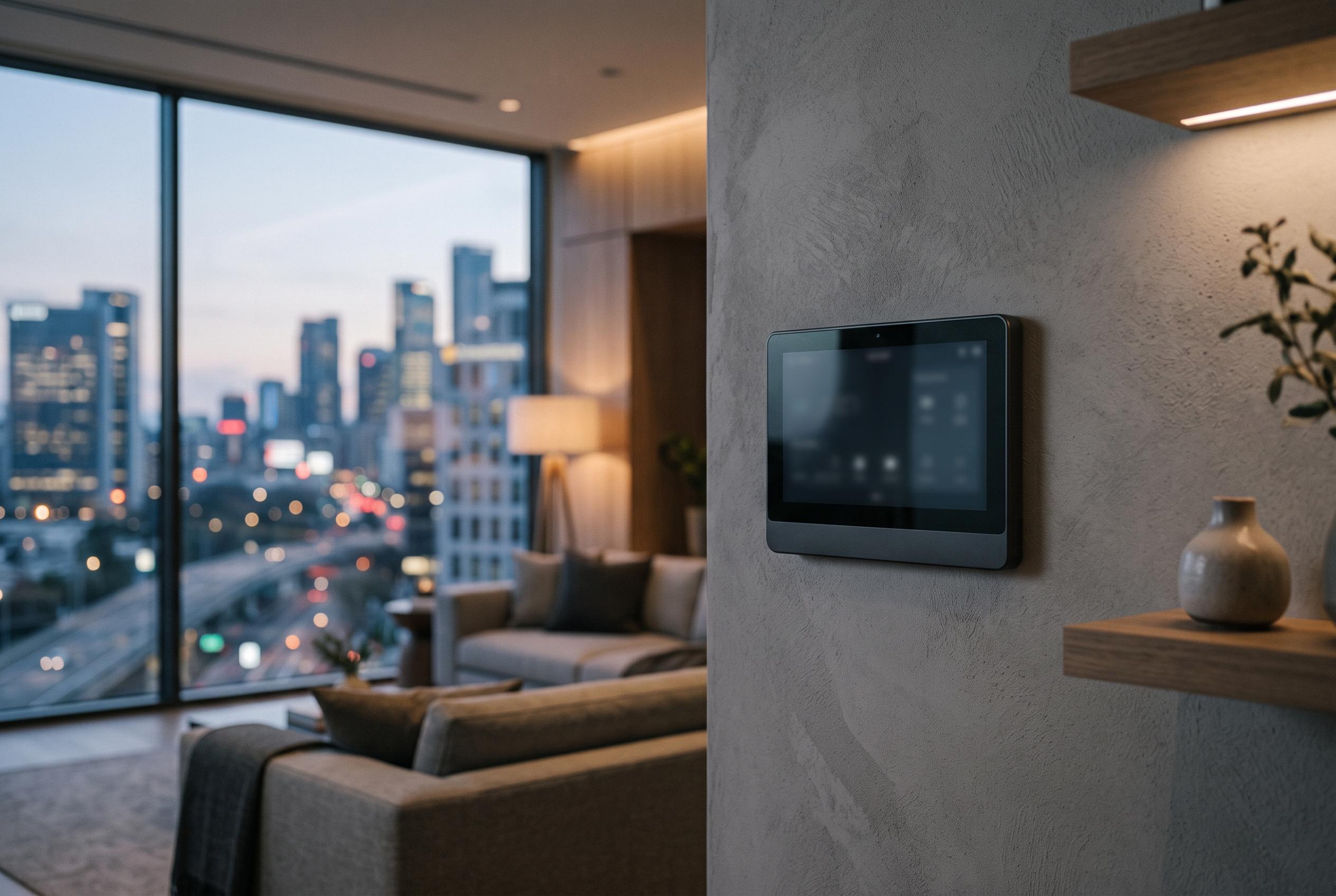

As intrusion alarm systems evolve into integrated security platforms, Hikvision emphasizes shared responsibilities and advanced cybersecurity measures to combat expanding threat surfaces, blending video verification, AI, and secure design principles.
Intrusion alarm systems are no longer isolated panels guarding a single building. As Hikvision’s cyber security director for EMEA, Rob Janssens, argues in a guest piece for VARINDIA, they now sit inside a much wider connected environment, linked to video, access control, mobile software and cloud services. That shift means they have to be treated as networked IT systems, not simply as physical alarms.
The practical consequence is a broader attack surface. Hikvision’s own cybersecurity material says modern security platforms face risks at several layers, including the device, application and network layers, while unauthorised access and unencrypted traffic remain recurring concerns. The company also points to a more interconnected industry in which edge devices, cloud services and management tools can all become entry points if defaults, credentials or remote access controls are weak.
Janssens’s central point is that protection cannot be left to one side of the installation chain. Manufacturers are expected to provide secure device architecture, signed firmware, unique credentials and patching support. Installers, meanwhile, must design the network properly, apply updates, and activate features such as encryption and role-based access control. Hikvision says this shared responsibility is essential because a failure in one layer can undermine the rest of the deployment.
The company also stresses that security should not make systems harder to run. Its own white papers and product notes emphasise secure-by-design principles, lifecycle management and transparent vulnerability handling, while citing standards and frameworks such as ETSI EN 303 645 and ENISA’s secure-by-design guidance. In practice, Hikvision says this means secure boot, hardening of ports and services, audit trails, and clearer update commitments so that remote administration can remain usable without exposing the wider network.
Hikvision is also pushing tighter integration between intrusion alarms and video verification. Its Intrusion Verification as a Service links alarm events with short video clips, while its AcuSense technology is designed to reduce false alarms by distinguishing between people, vehicles and other objects. The broader message from the company is that intrusion systems are becoming operational security platforms in their own right, and that their resilience now depends as much on cyber hygiene as on sensors and sirens.
Disclaimer: This content is intended for informational purposes only. Readers are advised to exercise their own judgement, conduct due diligence, or consult a qualified expert before acting on any information provided.