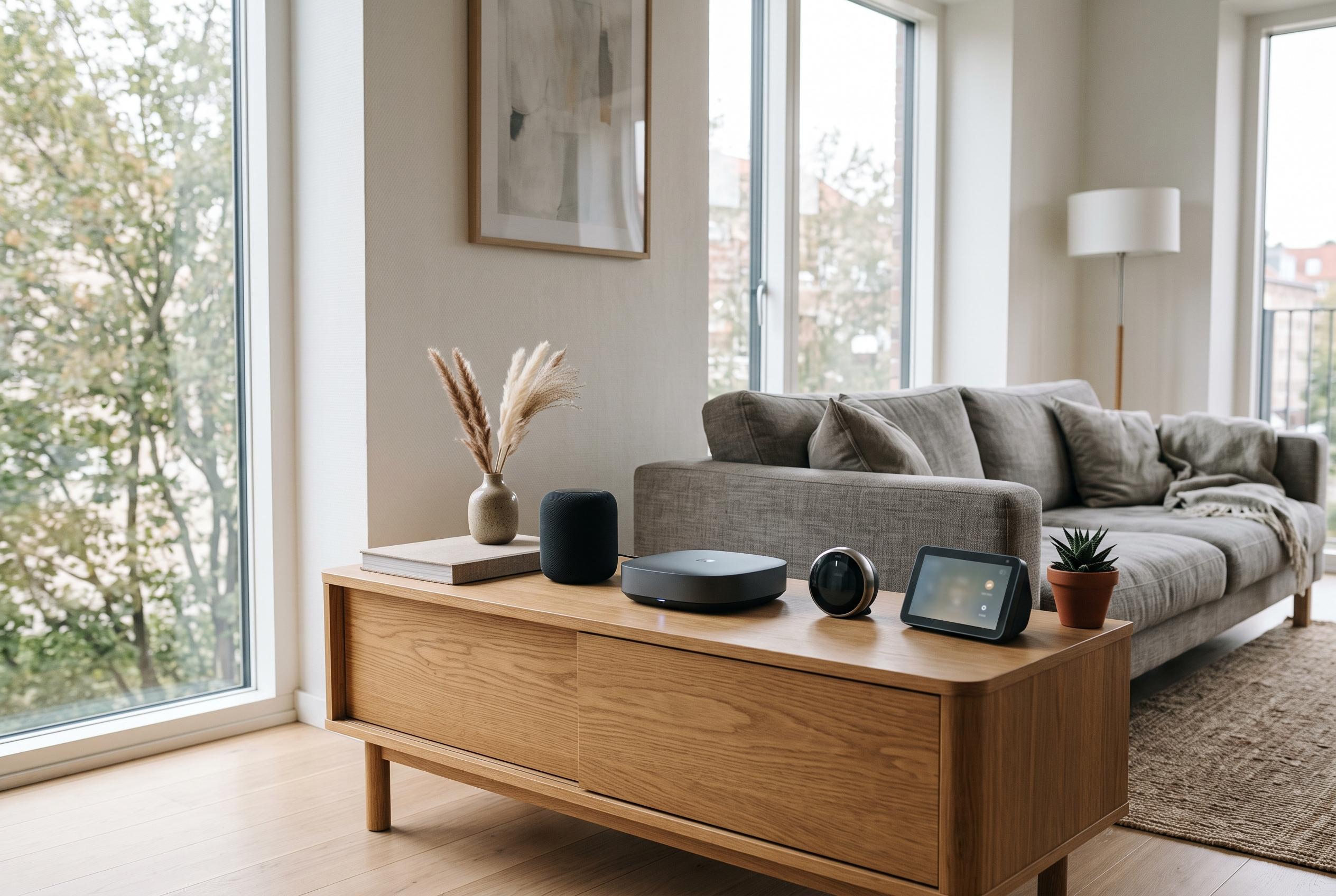

Google is expanding its Home ecosystem to support outside AI agents via the Model Context Protocol, enabling advanced interaction with connected devices, but warns of potential risks and complex setup requirements.
Google is opening its Home ecosystem to outside AI agents through support for the Model Context Protocol, a move that lets systems such as Claude, Hermes, OpenClaw and Google’s own Antigravity interact with compatible connected devices. The feature is being rolled out first as early access in the United States for English-language users on Google Home Premium Advanced, which is priced at $20 a month. According to Google’s developer documentation, the aim is to let large language models inspect a home’s structure, check device states, execute actions and review past events.
That means an agent can do more than answer questions about the home; it can query a Nest doorbell or camera, review thermostat data, analyse lighting history and summarise recorded activity. Google has also designed the system to support longer-running tasks, with the agent able to signal completion through a Nest speaker. Reports from TechCrunch and Tom’s Guide say the integration is intended to make smart homes more context-aware, with agents able to monitor unusual activity and work from historical data rather than only reacting to live commands.
The setup is not frictionless. Users must create a Google Cloud project, enable Home MCP, pass the relevant parameters to the chosen agent and then grant access. Google says the connection is powerful but also risky: its own documentation warns that linking an AI agent to a real home can produce unexpected or even unwanted behaviour. The company adds that households should inform other members before enabling it, especially if shared devices are involved.
Google says it has put limits in place, including rate controls and protections against sensitive actions such as unlocking doors. Access can also be withdrawn through the Google Home app or the Google account settings. Even so, the company’s caution is notable in a consumer technology category that is usually promoted for convenience rather than risk, and it underlines how much more consequential an AI mistake becomes when it affects a physical home rather than a text summary.
Disclaimer: This content is intended for informational purposes only. Readers are advised to exercise their own judgement, conduct due diligence, or consult a qualified expert before acting on any information provided.