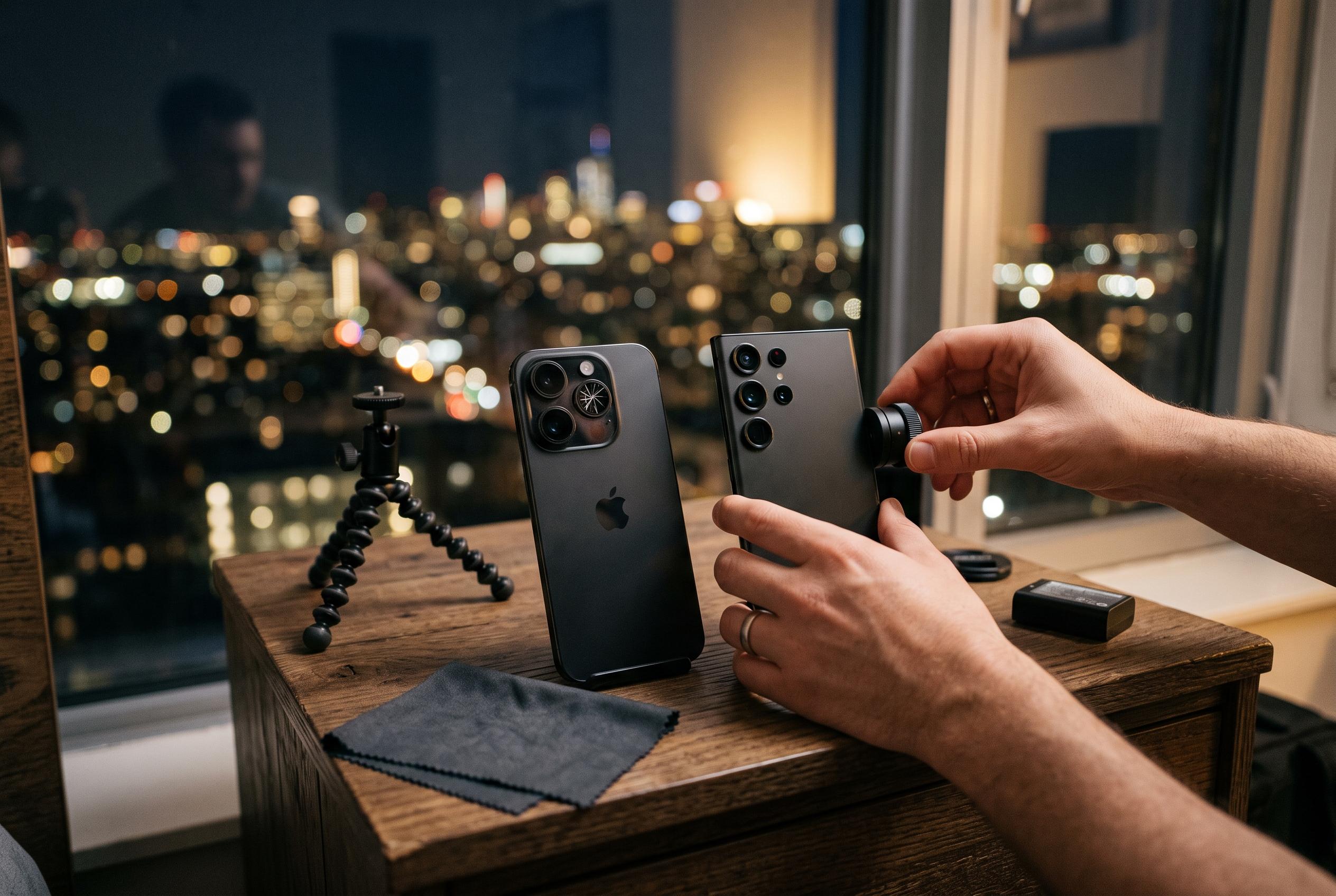

The iPhone 18 Pro Max introduces a groundbreaking mechanical variable aperture, offering enhanced low-light performance and manual control, challenging Google’s Pixel with upgraded telephoto capabilities in a fiercely contested camera showdown.
PhoneArena’s sample-shot comparison arrives as the iPhone 18 Pro Max and Pixel 11 Pro XL are both being positioned as their makers’ most ambitious camera phones so far. On paper, Apple’s handset brings a 48MP main camera with a variable aperture, while Google’s flagship leans on a larger telephoto sensor, setting up a clear contest between optical flexibility and reach. Tom’s Guide says the iPhone’s hardware changes are among the most significant Apple has made in years, while TechRadar describes the variable aperture as a rare step towards genuine manual control on a smartphone.
The most important change on the Apple side is the move from a fixed opening to a mechanical system that can vary the main lens between f/1.48 and f/4.0, according to Tom’s Guide, TechRadar and The Mac Observer. That matters because a wider aperture can admit more light for night scenes, while a narrower setting can improve depth of field and give more precise control over background blur. The reviews also note that Apple has added manual tools for aperture and shutter speed, bringing the camera app closer to the workflow of a dedicated camera.
PhoneArena’s side-by-side frames are intended to show how those spec-sheet changes translate into actual pictures in everyday use, from main-camera shots to portraits, zoom, ultra-wide scenes and selfies. In its own write-up, PhoneArena argues that the iPhone’s new aperture can improve low-light output and bokeh, while the Pixel’s upgraded telephoto module should help it hold detail better at longer focal lengths. That makes the comparison less about one phone being better in every category and more about which image-processing philosophy suits the scene in front of the lens.
Tom’s Guide says the iPhone 18 Pro Max also pairs the camera update with a larger battery, a new thermal design and Apple’s A20 Pro chip, which helps explain why the device is being marketed as a broadly more capable flagship rather than a camera-only refresh. At the same time, the higher price and weight may make it a harder upgrade for some owners than the camera gains alone would suggest. For readers deciding between these two phones, the practical question is whether they value Apple’s new optical control and low-light potential more than Google’s stronger zoom hardware and the Pixel’s usual computational photography strengths.
Disclaimer: This content is intended for informational purposes only. Readers are advised to exercise their own judgement, conduct due diligence, or consult a qualified expert before acting on any information provided.