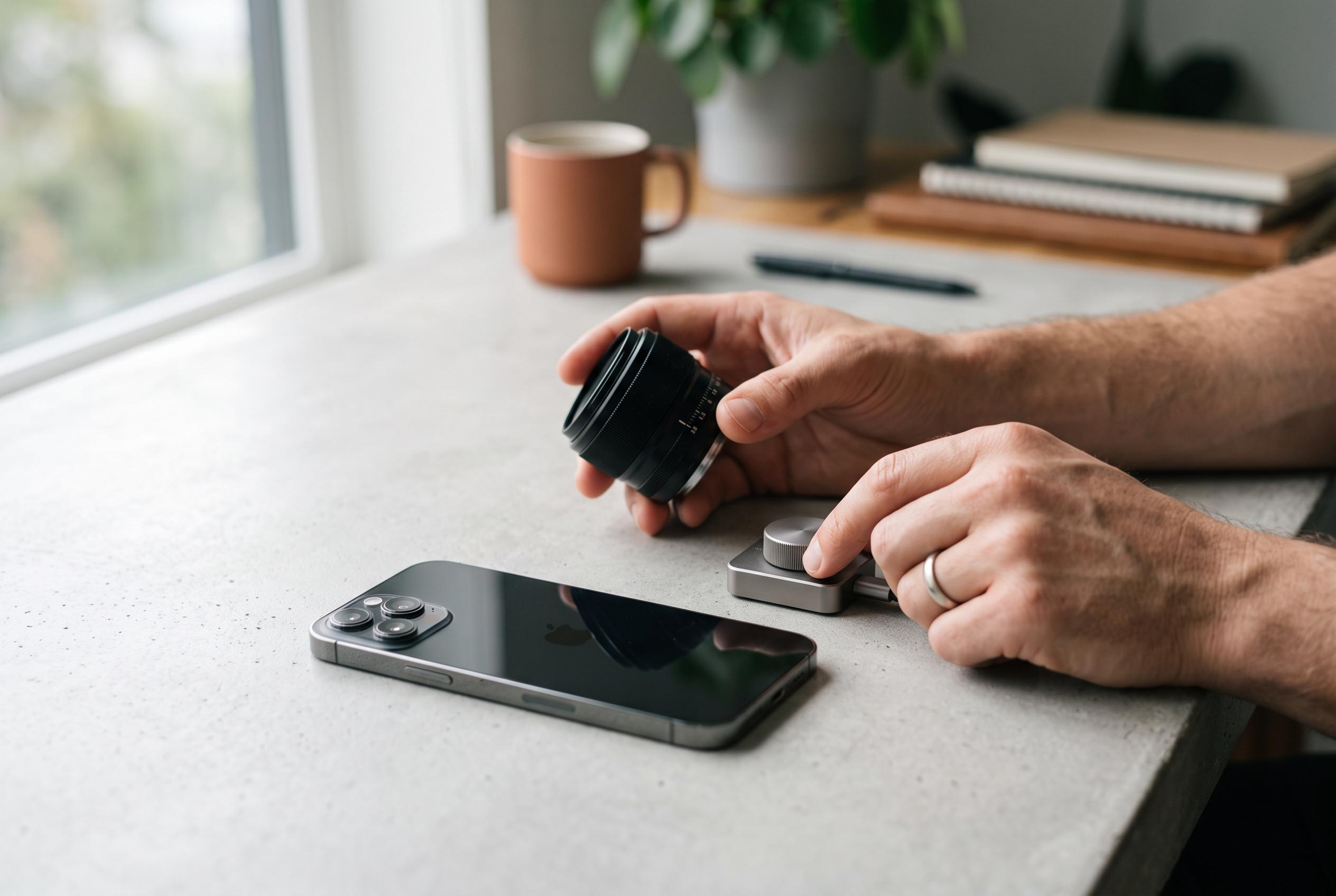

The iPhone 18 Pro, while visually close to its predecessor, introduces internal enhancements like a new chip, improved battery life, and advanced camera controls, signalling a shift towards more dependable flagship devices with less emphasis on radical redesigns.
Apple’s latest Pro iPhone arrives at an interesting point in the product line. According to Ars Technica, the iPhone 18 Pro is not the most radical handset in this year’s range, nor the one attracting the loudest attention, but it is still presented as the most complete version of Apple’s standard flagship formula. The broader implication is that Apple now appears to be reserving its more experimental design language for new families such as the iPhone Air and iPhone Duo, leaving the Pro models to serve as polished, dependable workhorses rather than attention-grabbing showpieces.
The familiar exterior helps explain that positioning. Ars Technica says the iPhone 18 Pro looks and feels very close to last year’s model, with materials and overall proportions that prioritise utility rather than drama. That does not mean the device is static. The new burgundy finish is described as particularly striking, even if it is prone to fingerprints, while Apple’s claims about a “blackest” black colourway underline how much the company still leans on finish and refinement when the industrial design itself changes only modestly.
The more meaningful developments are inside the handset. The review says the most significant additions are a new chip, better battery endurance and improved thermal behaviour, all of which should make the phone faster under sustained load and less warm in the hand. iFixit’s teardown, as reported by Tom’s Guide, gives those claims more concrete shape: it found a 4,288mAh battery in the iPhone 18 Pro, up slightly from the previous generation, and linked the longer life to the more efficient A20 chip. The same teardown also pointed to a larger vapour chamber and a repositioned chip layout intended to improve heat dissipation, which fits the review’s emphasis on cooler, steadier performance.
Photography is the area where Apple has made the clearest user-facing changes. Ars Technica notes the addition of a variable aperture and other camera controls aimed at enthusiasts who want more direct input over how images are made. TechRadar says the main 48-megapixel camera can shift between ƒ/1.48 and ƒ/4.0 through a mechanical six-blade system, giving the phone a more genuinely optical way to manage depth of field and low light than software tricks alone. Tom’s Guide also reports that Apple has introduced Pro Controls inside the native Camera app, bringing manual adjustments for exposure, shutter speed, white balance, focus, aperture and resolution directly into iOS. That package makes the Pro models feel less like point-and-shoot devices and more like tools for users who want serious control without moving to specialist apps.
Repairability, however, is more mixed. iFixit’s teardown found some practical improvements, including screw-based battery mounting that should make replacement less dependent on adhesive, but it also flagged a more complicated picture for other repairs. The variable aperture mechanism adds moving parts and therefore new failure points, while screen and USB-C port repairs remain awkward. Even so, iFixit gave the device a provisional repairability score of 7 out of 10, suggesting that Apple has made some progress even as certain design choices continue to favour integration over serviceability.
Disclaimer: This content is intended for informational purposes only. Readers are advised to exercise their own judgement, conduct due diligence, or consult a qualified expert before acting on any information provided.