ADT emphasises that small, low-cost improvements like securing doors, enhancing lighting, and adding visible surveillance can dramatically reduce the risk of break-ins, complementing more advanced security measures.
Homeowners looking for practical ways to harden their property against burglary are often advised to start with the simplest weak points: doors, windows, visibility and routine habits. ADT says many break-ins are over in minutes, which is why visible, low-cost improvements can matter as much as more expensive alarm hardware. Security specialists generally agree that a layered approach works best, combining stronger locks, better lighting, basic surveillance and consistent use of everyday precautions.
The most effective starting point is usually the front and back door. ADT’s guidance on common burglary methods says intruders frequently exploit doors and windows that are left unsecured or that can be forced quickly with basic tools. That is why security experts often recommend replacing ordinary spring-latch hardware with an ANSI Grade 1 or Grade 2 deadbolt, ideally fitted with a one-inch throw bolt. The lock itself matters, but so does the frame around it: a deadbolt is far less useful if the strike plate is held in place by short screws that can be pulled out under pressure.
Sliding patio doors deserve particular attention. ADT notes that these doors are a common concern because they can be forced open more easily than many owners realise. A simple interior security bar or a sturdy wooden dowel in the track can make a significant difference, while security film can help hold glass together if it is struck. These measures do not turn a glazed door into a fortress, but they can slow an intruder enough to discourage a quick entry.
Burglars also tend to favour concealment. ADT says many break-ins happen during the day, especially when homes appear empty, and visibility from the street is one of the strongest natural deterrents. That makes exterior lighting and garden maintenance part of security, not just appearance. Motion-activated floodlights, trimmed hedges and pruned branches can remove hiding places around windows, paths and driveways. Solar or LED perimeter lights can also reduce the dark corners that intruders prefer.
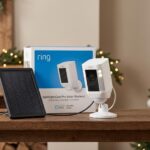
Technology can add another layer of protection, especially when it is visible. Video doorbells and exterior cameras can capture a clear image of anyone approaching the property, while wireless contact sensors can alert occupants when a window or side door opens unexpectedly. Smart bulbs and plugs can also be programmed to create the impression that someone is at home. Even where a full system is not affordable, the Alarm Industry Research & Educational Foundation has found that visible security signage alone can make a difference, with many would-be burglars deciding to move on when they see evidence of monitoring.
The most basic advice remains the most easily overlooked. Doors, windows and garages should be locked every time the house is left, even briefly. ADT also warns against leaving a garage remote in plain sight inside a parked car, since that can provide an intruder with an easy route in. In practice, the most secure homes are rarely those with a single expensive device. They are the ones where the owner has reduced the obvious opportunities, made entry slower and noisier, and ensured that every layer of defence works together.
Disclaimer: This content is intended for informational purposes only. Readers are advised to exercise their own judgement, conduct due diligence, or consult a qualified expert before acting on any information provided.