Building a unified smart home system using an old laptop and Home Assistant software allows households to integrate diverse devices, gain greater control, and reduce reliance on brand-specific apps and cloud services , albeit with a steeper learning curve.
An old laptop can be repurposed as the central controller for a mixed smart home, using Home Assistant software to tie together devices that were never designed to work as one system. The platform is built to act as a local command layer for lighting, speakers, thermostats, cameras and other connected gear, which can reduce dependence on separate brand apps and, in some cases, on cloud services.
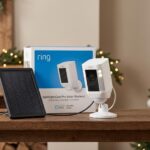
That appeal is strongest for homes that already contain hardware from several manufacturers. Home Assistant offers integrations for services and devices such as Philips Hue, Google Nest, Ring, Sonos and Ecobee, allowing users to monitor and manage them from a single interface. According to Home Assistant’s documentation, the Hue integration supports lights, motion sensors, remotes, switches, rooms, zones and scene management, while the Nest integration connects through Google’s Smart Device Management API and Cloud Pubsub to track device changes efficiently. The Ring integration covers doorbells, cameras, chimes and intercoms, and the Sonos integration supports the company’s wireless speakers, including IKEA Symfonisk models.
The software is not positioned as a plug-and-play option for everyone. Home Assistant has a steeper learning curve than many native smart home apps, and its interface can feel less intuitive than mainstream consumer software. But for users willing to configure it, the trade-off is greater control and more flexible automation. The platform supports rules, scenes and scripts, making it possible to build routines such as switching on devices after an alarm, adjusting lighting for a film, or locking doors when media playback begins.
The practical requirement is simple: Home Assistant needs a machine that stays on continuously. An old laptop fits that role well, particularly if it is no longer useful for everyday computing. For some households, the software can also run locally rather than through a manufacturer’s servers, which may appeal to users who want more control over how their data and devices are handled. Home Assistant’s Ecobee integration adds another layer of utility by linking thermostats and sensors for climate control and occupancy sensing, while its Hue Bluetooth integration extends support to Bluetooth-enabled Philips Hue lights once they are placed in pairing mode.
Disclaimer: This content is intended for informational purposes only. Readers are advised to exercise their own judgement, conduct due diligence, or consult a qualified expert before acting on any information provided.