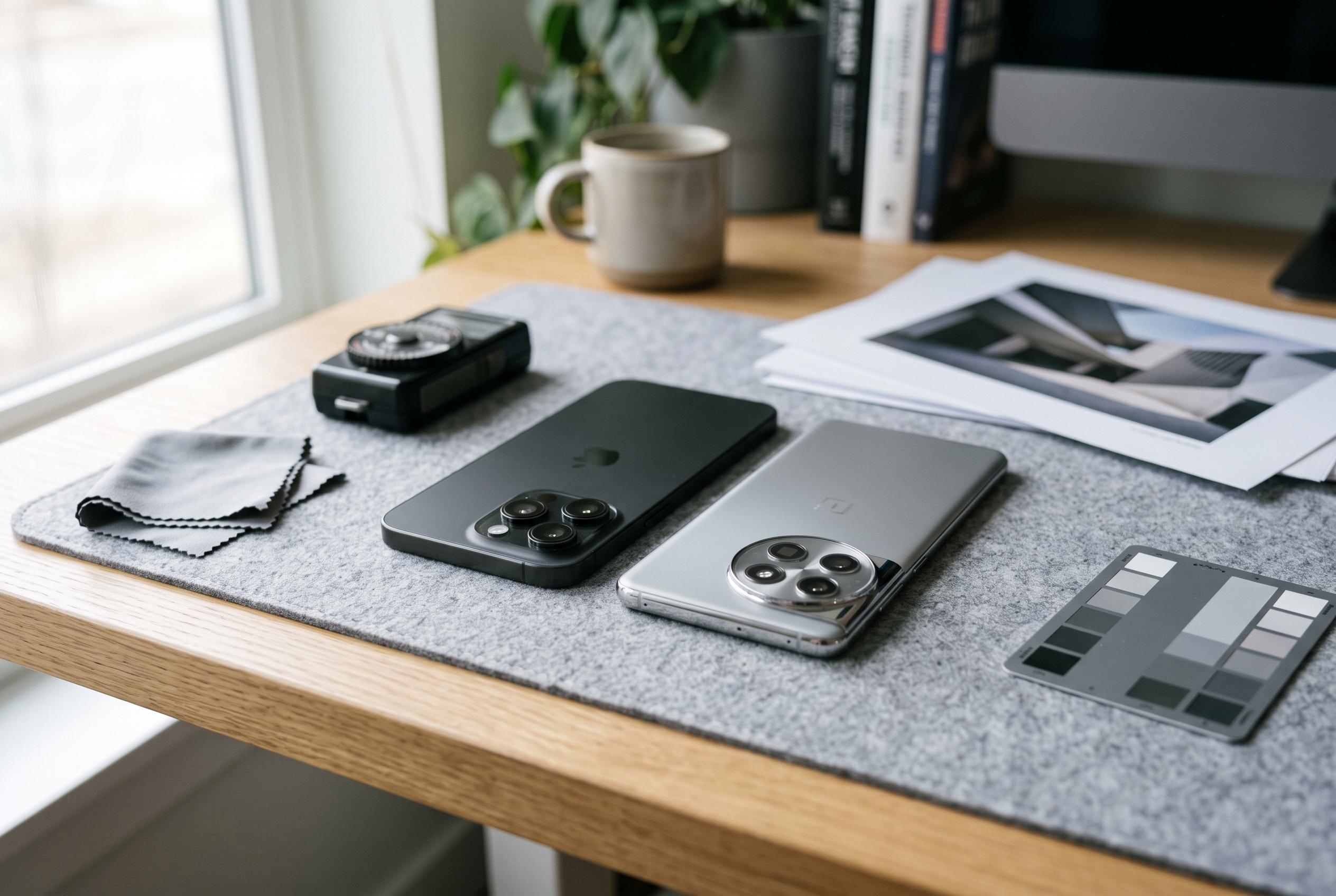

The Pixel 11 Pro and Samsung Galaxy S26 emerge as top contenders in the compact flagship market, with superior camera and display features on the Pixel, but performance and value define the ultimate choice.
Google’s Pixel 11 Pro and Samsung’s Galaxy S26 sit at the sharp end of the compact smartphone market, but neither arrives as an unqualified triumph. Frandroid says the Pixel earned an 8/10, narrowly, while Samsung’s handset received 7/10. That leaves buyers with two premium devices that aim at different priorities: the Pixel leans on camera quality, display accuracy and software polish, while the Galaxy trades some of that for lower weight, a slimmer frame and a materially lower asking price. Android Central likewise places the Pixel at a higher starting price than the Samsung, reinforcing the gap between the two in value terms.
In physical terms, Samsung’s phone is the easier one to live with. Frandroid describes it as the more discreet of the pair, at 7.2mm thick and 167g, with a conservative design that closely follows recent Galaxy S models. The build, however, remains fully premium, with an aluminium frame, Gorilla Glass Victus 2 and IP68 protection. The Pixel is bulkier and more visually assertive, partly because of its protruding camera bar. Both phones now count as compact by current flagship standards, with screens around the 6.2in to 6.3in mark.
The display comparison favours Google. Frandroid says the Pixel 11 Pro’s OLED panel is more colour-accurate and better calibrated, while the Galaxy S26 runs too cold and loses precision in some tones. The Pixel also delivers stronger outdoor visibility, reaching a peak brightness above 2,700 nits, compared with roughly 2,550 nits on Samsung’s device. Samsung counters with thinner bezels, but Frandroid’s conclusion is clear: the Pixel screen is the more faithful and practical panel overall.
Software remains one of the closest parts of the contest. Google’s phone runs Android 17 with deep Gemini integration, including tools designed to anticipate user behaviour, improve dictation and assist with live voice translation, while Google promises seven years of updates. Samsung’s One UI 8.5, based on Android 16, offers its own intelligent features such as contextual suggestions and audio editing tools, and it too is backed by seven years of support. Frandroid notes, however, that Samsung still ships a few pre-installed apps that some buyers may regard as unnecessary, whereas Google keeps its interface cleaner.
Performance is where Samsung takes the lead. Frandroid says the Galaxy S26’s Exynos 2600 handles everyday tasks smoothly and is far better suited to gaming, while the Pixel 11 Pro’s Tensor G6 is designed more for on-device AI than for raw speed. Under heavier loads, the Pixel can throttle sharply and become much less consistent in demanding titles. Other comparisons also point the same way: Samsung is the stronger choice for gaming and general horsepower, even if it does not match the Pixel’s photography ambitions.
Camera hardware is where the Pixel 11 Pro pulls away most decisively. Frandroid says Google’s triple 50MP, 48MP and 48MP setup is much more flexible than Samsung’s more conventional 50MP, 12MP and 10MP arrangement. In practice, the Pixel is described as more natural in tone, better at preserving detail and far more capable at long range thanks to its 5x telephoto lens and AI-assisted zoom. The Galaxy’s 3x zoom remains useful for closer subjects, but it quickly loses finesse at distance. Reviews from Android Central and PhoneArena also point to the Pixel’s stronger camera system and higher-resolution front camera, while Samsung’s strengths sit elsewhere.
Battery life is more balanced than the specifications suggest. Although the Pixel carries the larger battery, Frandroid says real-world endurance ends up close to even, with both phones lasting around 15 hours and 30 minutes in mixed use. Both support Qi2 wireless charging, and a full top-up takes about 70 minutes. That leaves the final choice largely to priorities. The Galaxy S26 is the more sensible buy for those who want a lighter handset and stronger performance at a much lower price. The Pixel 11 Pro is the more complete premium phone for photography, display quality and a cleaner software experience, but it asks much more for that advantage.
Disclaimer: This content is intended for informational purposes only. Readers are advised to exercise their own judgement, conduct due diligence, or consult a qualified expert before acting on any information provided.