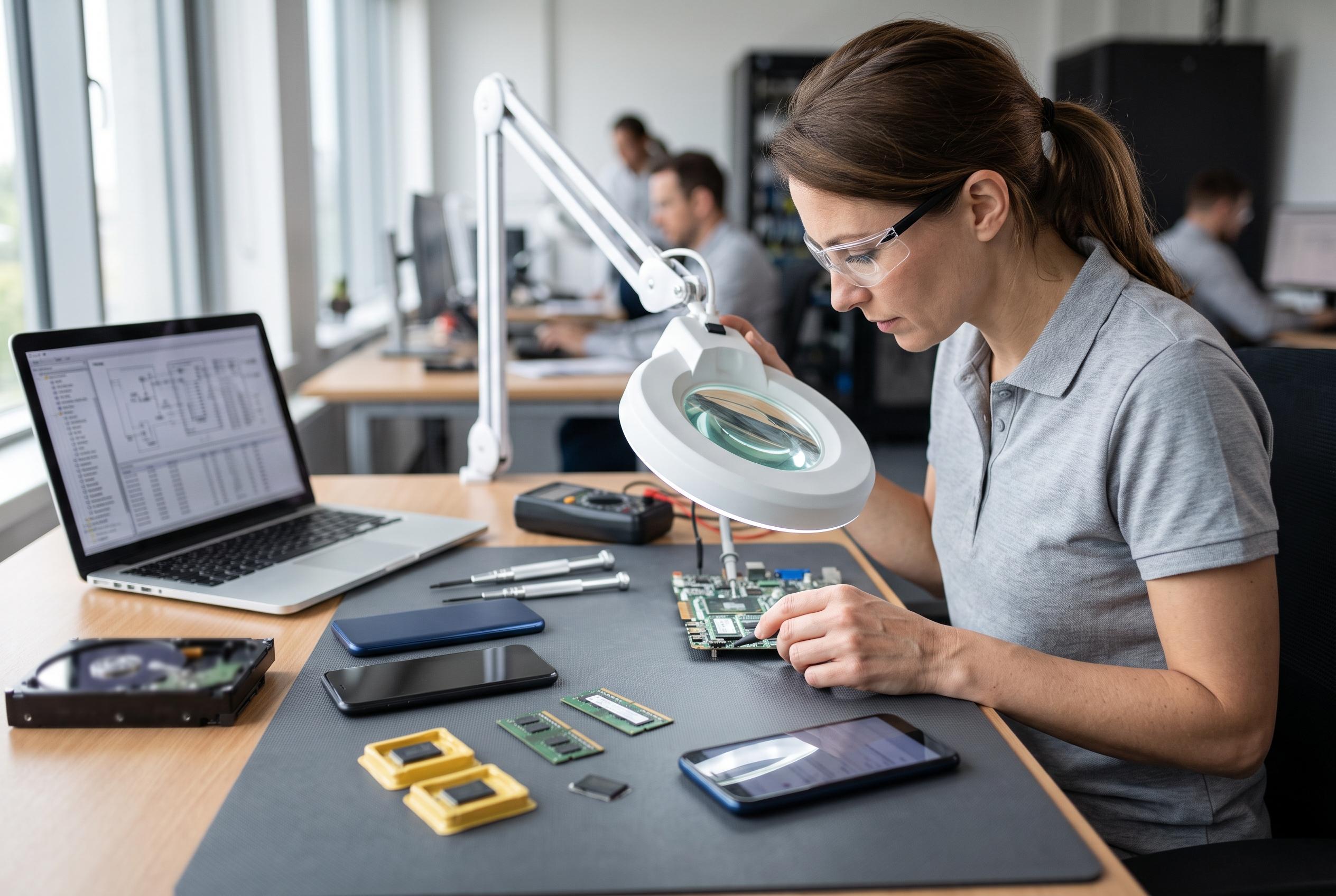

A severe memory shortage is triggering a projected 13.9 per cent fall in global handset shipments in 2026, with affordable devices most affected and manufacturers shifting focus to mid-range and premium models amid ongoing supply constraints.
Counterpoint Research expects the smartphone market to enter a severe period of contraction in 2026 as a global memory shortage drives up component costs and squeezes lower-priced devices hardest. The firm now forecasts worldwide handset shipments will fall by 13.9 per cent to 1.08 billion units, which would be the weakest annual total since 2013, and it says the slump is being amplified by geopolitical disruption as well as supply constraints.
The pressure is most acute in the affordable end of the market, where memory is a much larger share of the bill of materials and manufacturers have less room to absorb higher input costs. Counterpoint says LPDDR4 and LPDDR5 memory prices are expected to have tripled in the second quarter of 2026 versus the fourth quarter of 2025, while LPDDR4 supply may fall by more than 40 per cent this year as chipmakers prioritise higher-value products for artificial intelligence servers.
That shift is already changing the shape of the handset business. Counterpoint says the sharpest damage will hit devices priced at $99 and below, while the broader $100 to $249 range is also likely to keep shrinking before any recovery takes hold. Brands with heavy exposure to entry-level and mid-tier phones, including Transsion and Xiaomi, are expected to be among the most affected, whereas premium-focused groups such as Apple and Samsung are likely to feel less direct pressure.
The effects are visible in current shipment data. In the second quarter of 2026, global smartphone shipments fell 11 per cent year on year to their lowest second-quarter level since 2013, according to Counterpoint, as the DRAM and NAND shortage intensified. Samsung regained the top global position with a 24 per cent share, while Apple lifted its shipment share to 20 per cent for the first time in a second quarter, helped by strong demand for its premium models. Xiaomi, Oppo and Vivo posted the steepest falls among the five largest brands.
The pricing impact is also feeding through to consumers. In the United States, Counterpoint says smartphone sales fell 5 per cent year on year in the second quarter, with sub-$100 handset sales down 64 per cent as vendors raised prices to offset memory and storage costs. At the same time, the $200 to $299 bracket expanded sharply, suggesting buyers are being pushed upwards into pricier models even as overall demand weakens. Counterpoint expects average selling prices to keep rising into the third quarter, with further increases likely across the market.
Although Counterpoint still sees the market beginning to recover in 2028, it does not expect affordable phones to regain their former scale by the end of the decade. That implies a structural change in the handset market rather than a short-lived cyclical downturn: the cheapest smartphones may become scarcer, while manufacturers lean more heavily on mid-range and premium devices to protect margins during a prolonged shortage.
Disclaimer: This content is intended for informational purposes only. Readers are advised to exercise their own judgement, conduct due diligence, or consult a qualified expert before acting on any information provided.