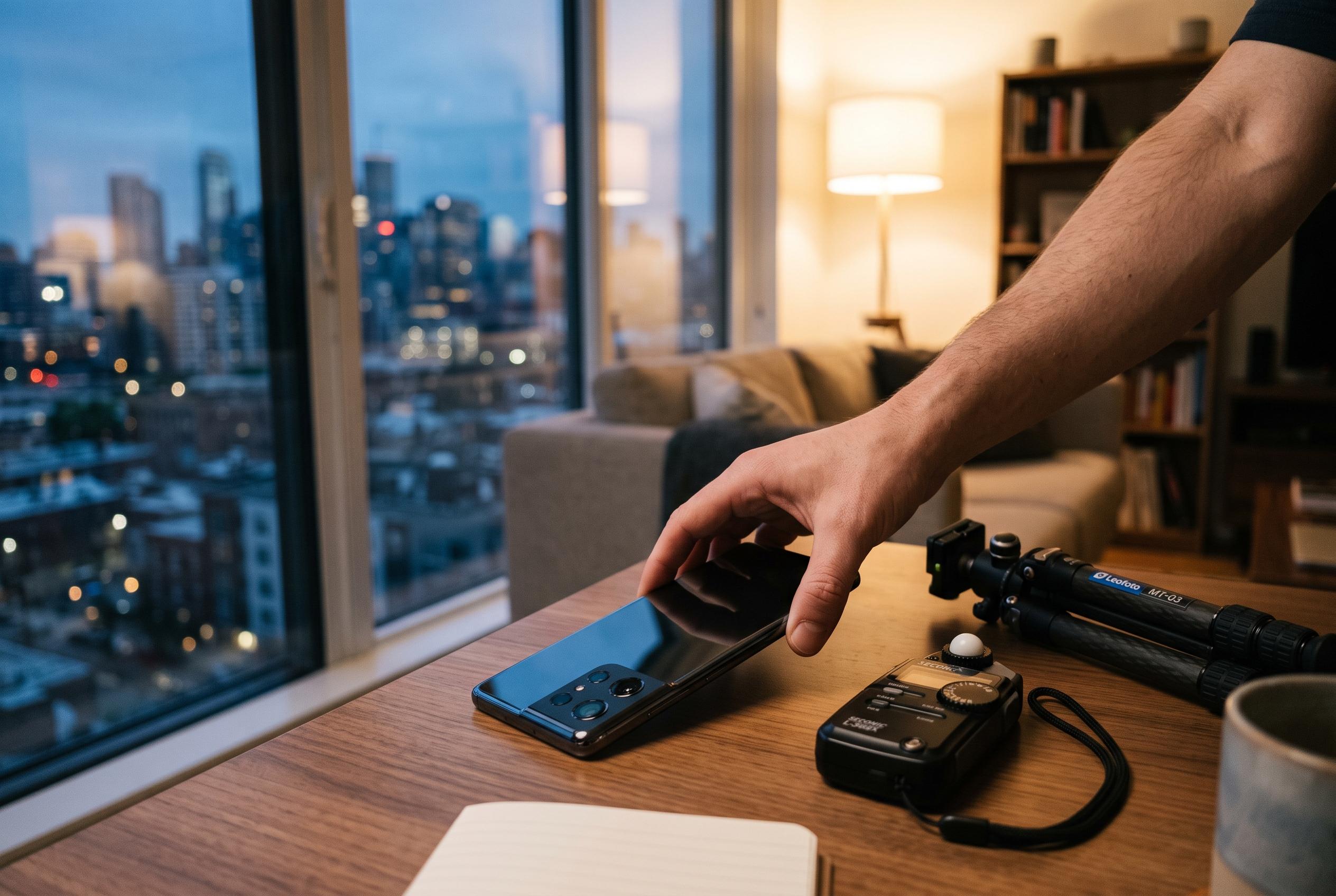

In a nationwide blind test, Xiaomi’s 17 Ultra outperformed rivals with its consistent high-quality imaging across lighting conditions, challenging traditional premium brands and highlighting its competitive edge in the evolving smartphone photography market.
The 2026 smartphone camera blind test has produced a clear result: Xiaomi’s 17 Ultra came out on top after readers cast 7,469 votes across 15 images. According to ComputerBase, the handset won 1,460 votes in total, or 19.55 per cent, while the Sony Xperia 1 VIII finished close behind in the daylight category and the Huawei Pura 80 Ultra secured second place overall. The five-year-old Google Pixel 6 Pro was included as a special entrant, partly to test how an older flagship still holds up against current rivals, and the Motorola Edge 70 Max ended the competition in last place with 5.66 per cent of the vote.
What made the Xiaomi’s victory so decisive was its consistency across both lighting conditions. ComputerBase said the phone was nearly level with Sony in the daytime set, but it pulled away decisively at night, taking around 30 per cent of the low-light votes and leaving the rest of the field behind. That balance between strong daylight performance and clear low-light superiority gave it an advantage that no other contender could match across the full set of scenes.
The Sony Xperia 1 VIII was the strongest daylight performer, edging the Xiaomi by just two votes, but its weaker showing after dark dragged it down to third overall. Huawei’s Pura 80 Ultra finished second because it paired a solid daytime result with a strong night-time score, while the Google Pixel 11 Pro produced a more uneven profile, doing well in daylight but slipping sharply in low light. The older Pixel 6 Pro, despite its age, managed a respectable daytime placing yet fell away markedly at night.
The result also fits with wider camera reviews of the Xiaomi 17 Ultra. TechRadar highlighted its Leica-tuned imaging system, a 1-inch main sensor and a 200-megapixel telephoto camera, while DxOMark earlier placed it among the best camera phones globally, praising its balanced rendering, detail retention and low-noise performance in poor light. That broader assessment helps explain why readers responded so strongly to it in the blind test.
There is also a commercial angle to the outcome. ComputerBase noted that Huawei remains highly competitive in imaging, but buyers must still accept the absence of Google services and 5G support on some models. Xiaomi, by contrast, delivered the top-ranked result without those compromises, and at a lower market price than Apple’s iPhone 17 Pro Max in the same comparison. The blind test therefore suggests that the current benchmark for smartphone photography is no longer confined to the usual premium names.
Disclaimer: This content is intended for informational purposes only. Readers are advised to exercise their own judgement, conduct due diligence, or consult a qualified expert before acting on any information provided.