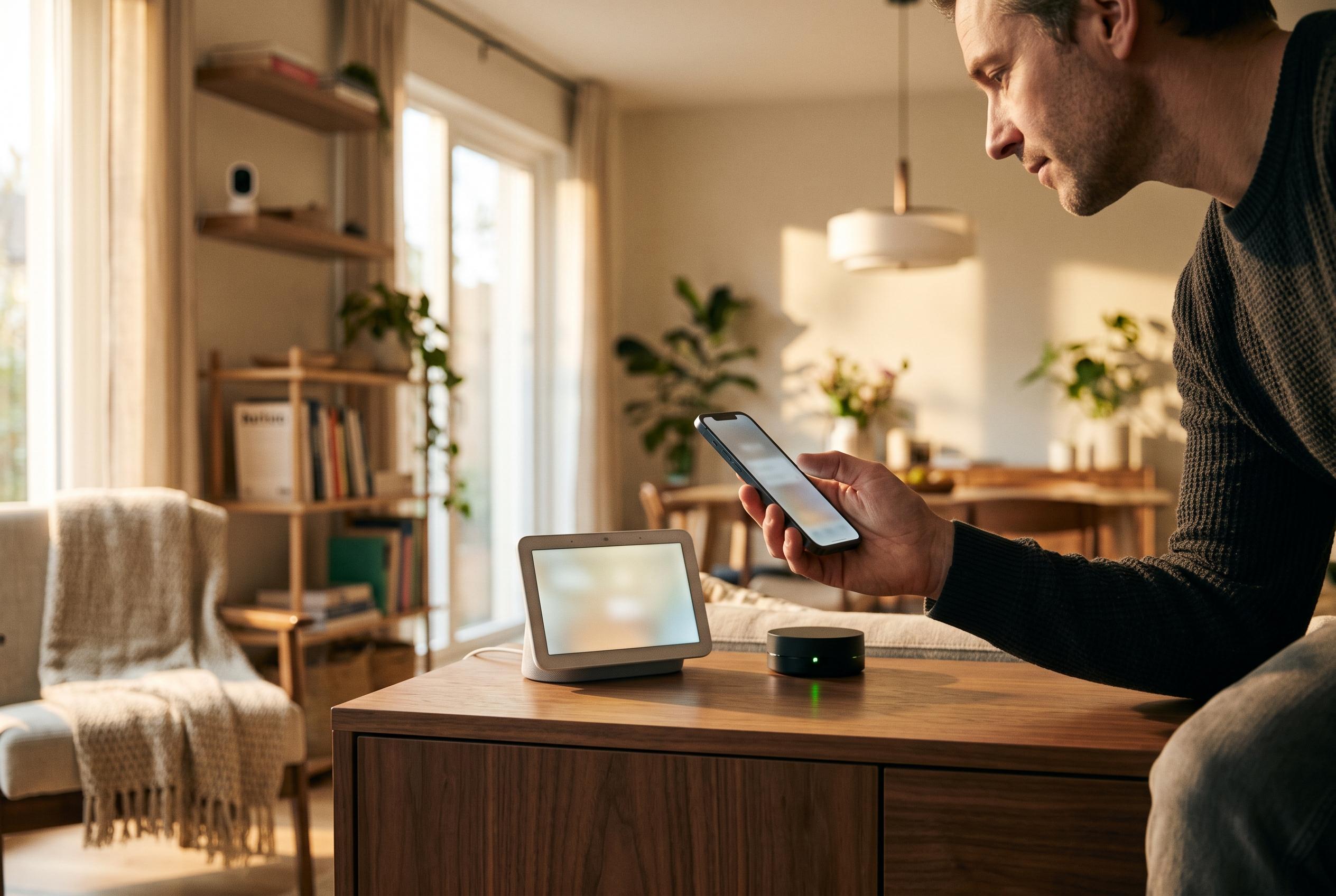

Google has rolled out a significant update to its Home ecosystem, focusing on improved responsiveness, smarter routines, and enhanced camera and device reliability, signalling a strategic push to make its smart home platform more dependable and user-friendly.
Google has pushed another round of refinements to its Home ecosystem, with the latest update focused on making Gemini for Home more responsive, more reliable and less fragile in everyday use. According to Android Police, the assistant is now better at understanding spoken commands in noisy rooms, while latency for simple actions such as setting alarms and timers has been reduced. Google is also improving multilingual handling, with the system meant to cope more effectively in households where as many as three languages are spoken.
The company is also tightening how routines work. Android Police reported that Gemini for Home now treats written commands inside a routine as if they had been spoken directly to the device on which the routine is started, or to the selected speaker or display. In practical terms, that should make automations behave more consistently, especially where a routine depends on a specific room speaker or smart display. Google has separately been adding more AI-driven control and automation features to its Home platform as part of a broader Gemini-led redesign announced on its own blog.
Several of the changes are aimed squarely at the app itself. Google is altering light controls so that setting a smart light or group of lights to 0% brightness now turns them off rather than merely dimming them to their lowest level. Camera and doorbell tiles are also getting clearer visual cues, with filled icons and accent colours to distinguish online devices from inactive ones. Matter switches should now report their actual status more accurately in the app, addressing cases where offline devices were shown incorrectly on the All Devices tab.
Camera and playback reliability appear to be a major theme of this release. Android Police said Google has made end-to-end reliability improvements for setting up new Nest devices through the Home app on both iOS and Android. Other fixes include smoother playback of recorded video on Android, fewer false “Video not available” messages at the end of clips, and better handling of historical footage on Walmart Onn cameras. On iOS, Google says it has fixed progress-bar scrubbing in paused event videos, while Android users should see fewer buffering stalls and loading loops.
Other reports suggest the update is part of a wider effort to make the Home app less cumbersome across devices. T3 said Google has been working on battery-saving widgets that stop polling when a phone screen is off or locked, then refresh immediately when reopened, while also improving live camera transitions and timeline navigation. Android Central reported additional camera work in the spring 2026 update, including cleaner event previews, better filtering, smarter familiar-face detection and Gemini-generated event descriptions for subscribers, even on older Nest cameras where Gemini for Home is enabled. Taken together, the changes point to Google trying to make Home feel more coherent, more dependable and more central to its smart home strategy.
Disclaimer: This content is intended for informational purposes only. Readers are advised to exercise their own judgement, conduct due diligence, or consult a qualified expert before acting on any information provided.