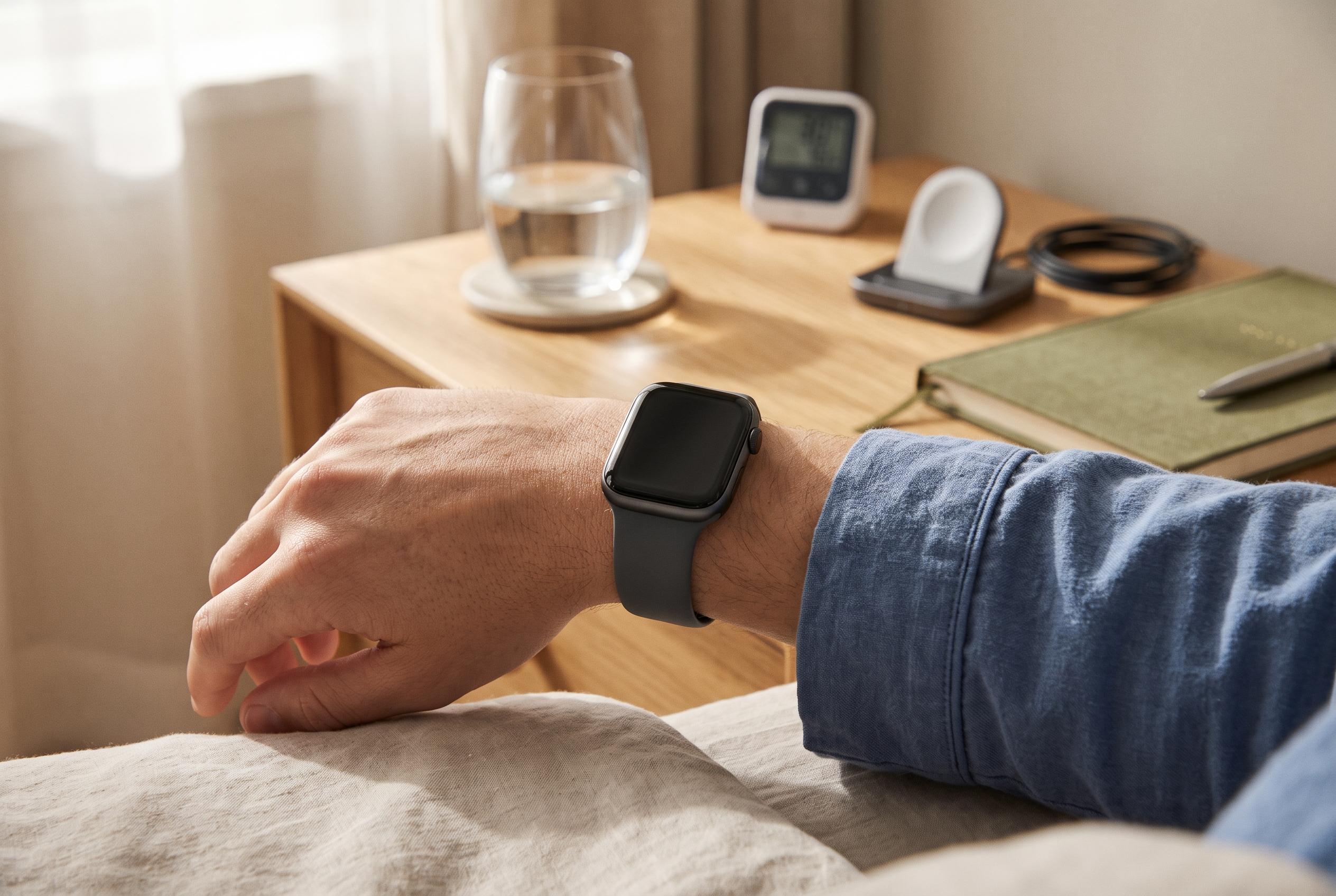

Huawei launches the Watch GT 7 series, emphasising comprehensive health analysis with new features like personalised cardiovascular and diabetes risk studies, aiming to revolutionise preventative health tracking.
Huawei is positioning the Watch GT 7 series as more than a conventional fitness wearable, placing a stronger emphasis on health analysis across cardiovascular, metabolic, sleep and emotional markers. The range, which includes the Watch GT 7 and Watch GT 7 Pro, is designed to combine everyday tracking with a broader health profile rather than limiting users to heart rate, step counts or workout summaries.
Among the most prominent additions is a coronary heart disease risk study, which Huawei says uses readings gathered over several days and through both day and night to build a personalised cardiovascular assessment. The system is supported by ECG, pulse wave arrhythmia analysis and arterial stiffness measurement, signalling a more ambitious push into preventative health features. Huawei’s consumer product pages for the Watch GT 7 also highlight pulse wave arrhythmia analysis, powered by the PPG sensor, as a tool for spotting potential atrial fibrillation risk.
The series also includes a diabetes risk study, which monitors physiological indicators over a period of three to 14 days, including during rest and sleep, to offer an indication of diabetes and hyperglycaemia risk. Huawei stresses that this is not a blood glucose measurement and not a medical diagnosis. In practice, the feature appears intended to flag patterns that may justify closer attention rather than to replace clinical testing.
Sleep and recovery have also been given more weight. Huawei says the watch uses an advanced sleep-tracking system, a physical readiness score and multi-dimensional emotional wellbeing analysis, with the results folded into a broader health insights layer. Huawei’s UK, Malaysian and Singapore product pages similarly describe the watch as combining HRV, sleep quality, emotional wellbeing and recovery guidance to help users judge whether they are ready for exercise or need more rest.
Notebookcheck’s review of the Watch GT 7 adds that Huawei’s health platform consolidates inputs from heart rate, HRV, sleep, stress, activity, blood oxygen and skin temperature to generate a physical fitness score. The publication also noted a family-sharing feature that can connect up to 20 users, although the central pitch of the series remains its attempt to turn multiple sensor readings into a more useful daily health picture. Huawei says the Watch GT 7 series will be available in Indonesia from 7 October 2026, with battery life rated at up to 21 days and support for both Android and iOS phones.
Disclaimer: This content is intended for informational purposes only. Readers are advised to exercise their own judgement, conduct due diligence, or consult a qualified expert before acting on any information provided.