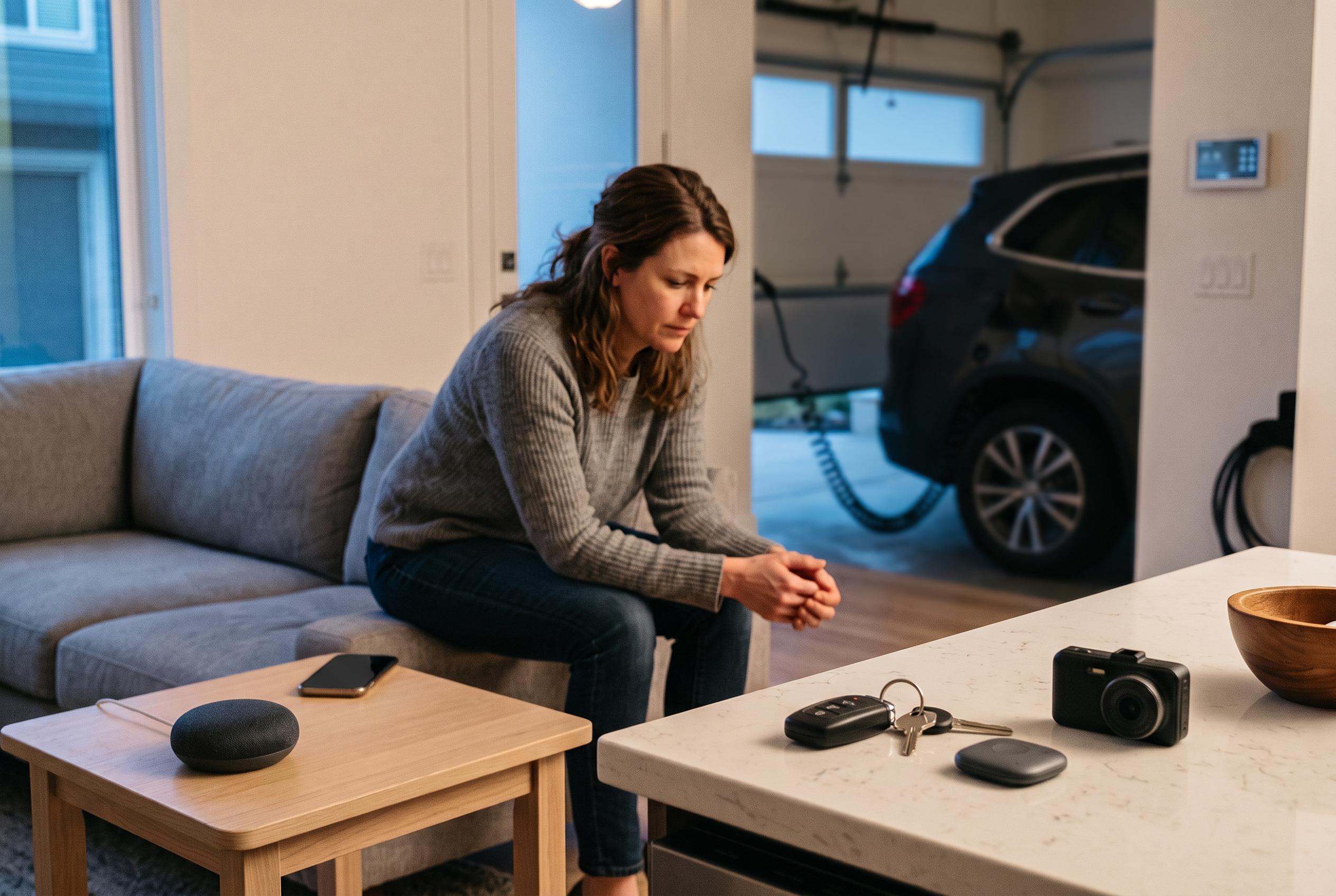

A woman in Connecticut highlights how domestic abusers are exploiting connected devices, from smart homes to GPS trackers, to harass and monitor victims, spotlighting a rising digital dimension in coercive control.
A Connecticut woman has described how a former partner allegedly turned everyday connected devices into tools of control, using smart home features, vehicle tracking and account access to monitor her movements and unsettle her at home. Speaking to The New York Post, she said the relationship began with what appeared to be a considerate gesture: a smart house that allowed her to control lights and speakers remotely. When the relationship ended, she says that same technology became a means of harassment.
According to her account, the abuse escalated into GPS tracking in her car, interference with lights and television, and access to her cloud accounts, allowing the man to see travel bookings, messages and contacts. She said he altered names in her address book to sow confusion and undermine her professionally, a tactic that experts say can be as damaging as physical surveillance because it targets both safety and credibility. Similar cases reported by Cybernews, CBS News Pittsburgh and ABC15 have involved hidden tracking devices in cars, including Apple AirTags and other GPS units, leading to arrests and stalking charges.
The woman has filed a police report with authorities in Connecticut, who she says are still investigating the former partner. Steven Stern of Safe Harbor Advisory, whom she engaged for help, told The Post that he found invasive spyware on her devices and said ordinary users are often poorly equipped to defend themselves once an attacker gains access to a phone, computer or home network. His warning reflects a wider problem: consumer technology can make intimate surveillance easier, cheaper and harder to spot than older forms of stalking.
Specialists in domestic abuse say that cars are particularly vulnerable because tracking devices can be concealed in low-visibility places and can relay a victim’s location for weeks without detection. Guidance from DomesticShelters and WomensLaw notes that abusers commonly exploit phones, vehicles and location-sharing tools to follow victims and gather evidence about routines, travel and social contacts. In many US jurisdictions, attaching a tracker to another adult’s vehicle without consent may breach stalking or privacy laws, although the exact offence depends on local statutes and the surrounding facts.
The case sits within a broader rise in technology-facilitated stalking, where the line between consumer convenience and coercive control has become increasingly thin. Recent US cases have involved AirTag misuse, GPS tracking in domestic disputes and, in some instances, social media or AI-driven harassment. The woman told The Post that she has replaced her iPhone several times and remains wary that her digital life could still be exposed. Her experience, experts say, is a reminder that the most intimate form of abuse may now begin with a login, a tracking tag or a device most people buy for convenience.
Disclaimer: This content is intended for informational purposes only. Readers are advised to exercise their own judgement, conduct due diligence, or consult a qualified expert before acting on any information provided.